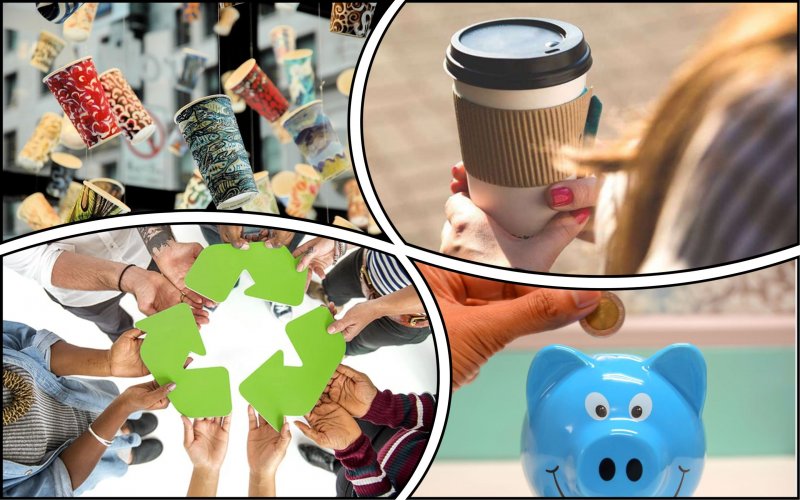
In Vinnytsia, disposable paper cups, which could not be recycled for a long time, began to be accepted for recycling.
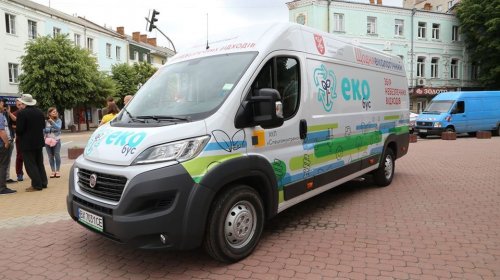
Such waste must be sorted separately from waste paper and handed over to the reception points of "Eko-Service", it is said on the Facebppk page of the community.
"Many people think that paper cups are completely safe for the environment and decompose quickly. But this is not the case," the report said.
"Eco-Service" emphasized that cups are accepted for recycling for 0.5 hryvnias per kilogram at the address: str. Lukyanenko (Vatutina) 19 (0985656904).
It is noted that paper cups consist of two layers – an outer paper layer and an inner layer made of polystyrene film. It is this film that prevents the cup from leaking, but it complicates its decomposition and makes the cup non-ecological.
The message emphasized that for a long time there was no technology that could separate paper and film. And billions of discarded cups pollute the environment every year.
Earlier, EcoPolitic wrote, that in Lviv, environmental activists have launched a reusable coffee cup Zero Cup service. You can take a drink in a coffee shop in a reusable cup, pay a deposit for it, and then return the money by returning the dishes to another establishment. Such waste fills up to 20% of city landfills.
As EcoPolitic previously reported, some coffee shops in Kyiv, Lviv, and Vinnytsia will offer a discount to visitors who take coffee in their reusable cups. This will allow eco-responsible Ukrainians not only to create less garbage, but also to save money.