A powerful hydrogen plant for the needs of metallurgy will be built in Turkey

A powerful hydrogen plant for the needs of metallurgy will be built in Turkey shutterstock
Katerina Belousova

The cost of the project reaches $7.9 million

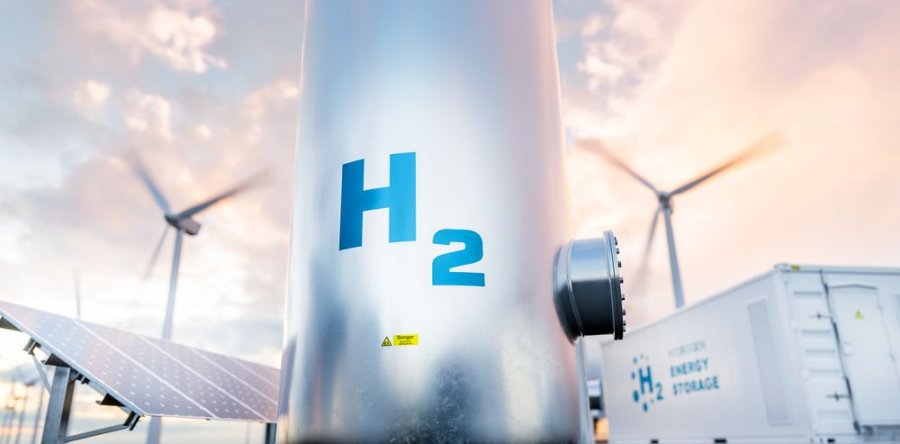
In Turkey, in the district of Aliaga, Izmir, the company Habas plans to build a hydrogen production and refueling enterprise that will produce 1,000 m3 of H2 per hour.

Hydrogen will be used at the Habas cold rolling mill, and it will also be offered on the market, reports Steel Radar.

It is noted that the company has already submitted an application for an environmental impact assessment to Ministry of Environment, Urbanization and Climate Change. The process has begun.

The material said that the investment cost of the project reaches about $7.9 million. Construction works are planned to be completed in 6 months.

"This step will not only contribute to the development of the strategy Gabas , but is also an example of a sustainable approach to renewable energy sources," Steel Radar noted.

Recall that in France, the Sealhyfe offshore platform for the production of green hydrogen was launched, which is capable of producing 400 kilograms of H2 per day. The platform will work completely autonomously.

As previously reported by EcoPolitics, the largest solar power plant in Europe "Karapinar" was put into operation in the Konya province of Turkey. It has a capacity of 1,350 MW and consists of 3,256,038 solar panels.

Related
Revolutionary changes in the EU: governments want to make it compulsory to reinvest 75% of ETS revenues in decarbonisation

The rationale behind this proposal is to support the eco-modernisation of enterprises, which generate revenue for the system and bear the brunt of the fiscal pressure

Almost half a billion: the Decarbonisation Fund’s summer performance review

The fund has also received funding from UNIDO for industrial decarbonisation. It is not known exactly which projects the funds will be spent on

The business community has called for further refinement of the draft legislation on the Ukrainian quota market

According to the business community, a separate fund should be established to manage the revenues from the NETS, and the priority for the use of these funds should be the decarbonisation of industry

The Decarbonisation Fund has already allocated 2.2 billion hryvnia to low-carbon projects

Their combined climate impact is an annual reduction in CO₂ emissions of 47,000 tonnes