According to BloombergNEF, the US and China are entering a decade of energy storage development.
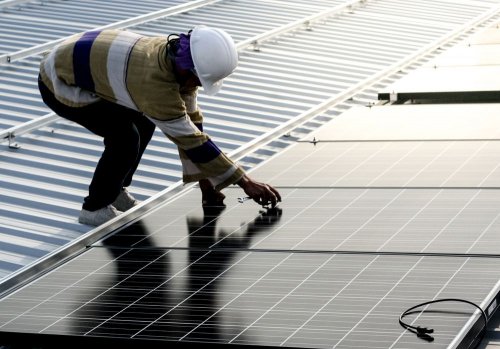
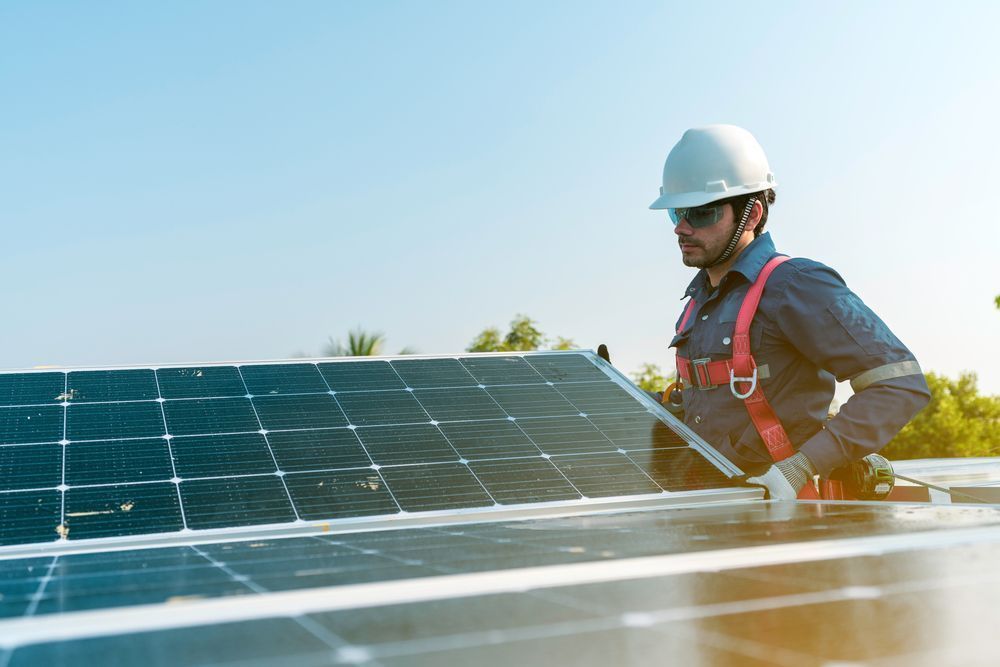
In the U.S., for every 25 GW of solar, 50 GW of grid storage is expected by 2030, and in China, up to 80 GW for every 200 GW of solar power, according to Maria Brice, a renewable energy expert at McCauley Lyman LLC, on LinkedIn.
She noted that this will change the current trend of overtaking new RES capacities over new storage units. It will also reduce the gap between daytime and nighttime electricity prices.
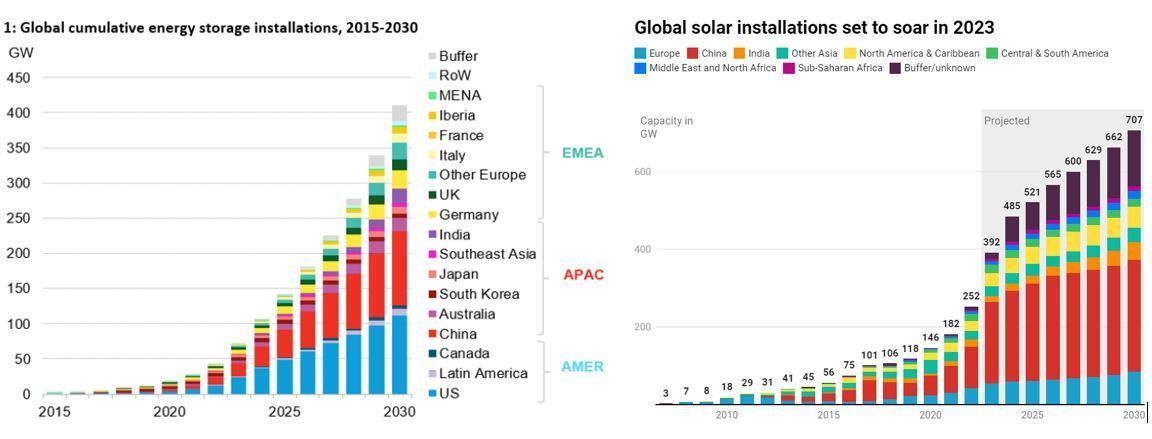
Brice noted that China's energy storage goals are tied to greater deployment of solar energy. In 2024, China is expected to account for half of all global solar energy deployment.
The expert added that in the US, thanks to the IRA inflation reduction law, energy storage has become a new asset class for tax equity investments. Thus, Foss & Company launched an investment division to attract $3 billion in tax capital to energy storage projects by 2028.
"It is noteworthy that the duration of storage is increasing! In the second quarter, 1.5 GW of new battery storage capacity corresponded to more than 5 GWh of energy storage capacity, which is almost 25% more GWh than last year,” Brice emphasized.
Form Energy's NYISO market analysis found that long-term and multi-day energy storage (can lower costs and create a zero-carbon grid.
Earlier, EcoPolitic wrote, that in the EU they plan to build 30 gigafactories for energy conservation, which will contribute to energy independence and the achievement of climate neutrality goals.
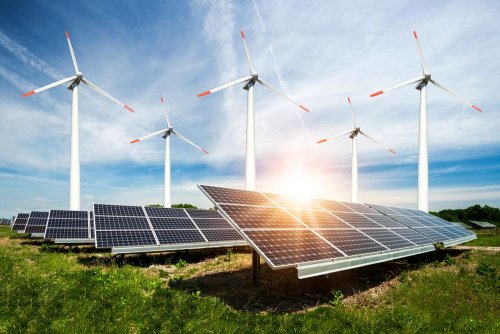
As EcoPolitic previously reported, US President Joe Biden announced that the country will increase the use of solar energy, wind and batteries by 25% by 2028.