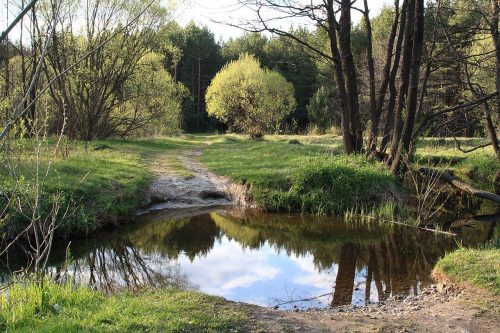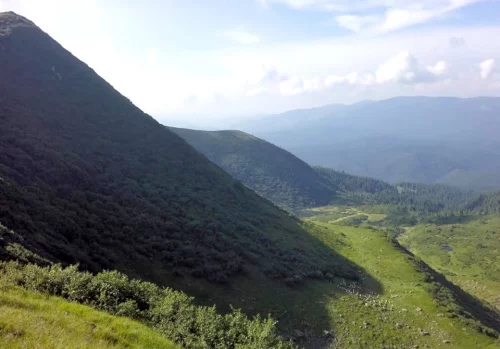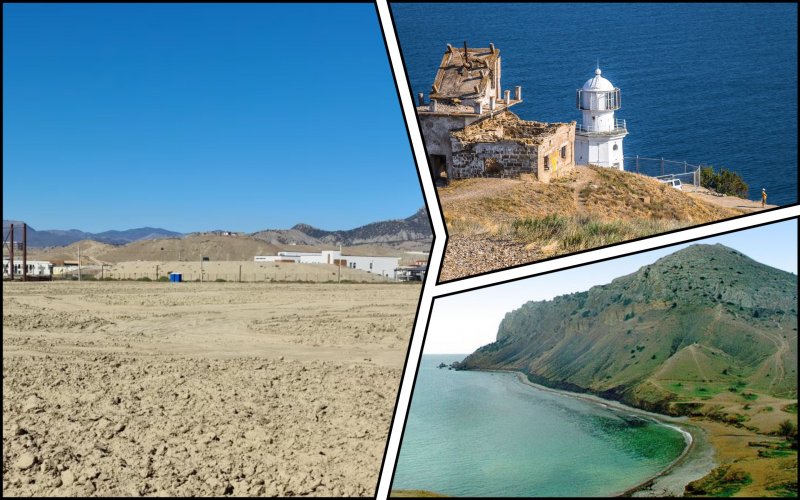
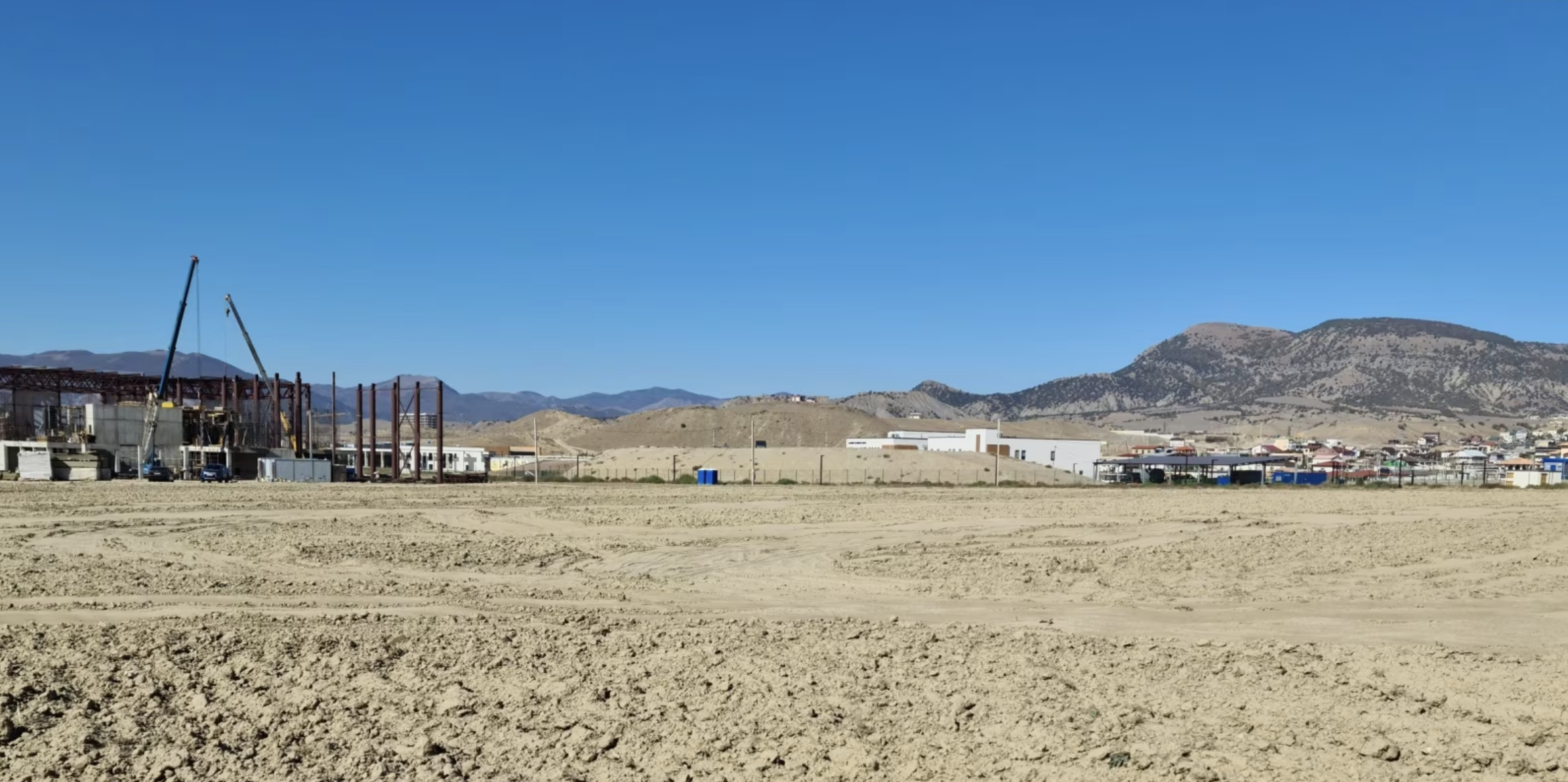
In the occupied Crimea near Sudak, the Russians plowed Quail field with Red Book and endemic plants, i.e. those that grow in the only place in the world.
Only the southeastern part near Cape Meganom survived, reports Krym.Realii.
It is noted that the occupation authorities do not respond to such environmental vandalism. Probably, there are plans to build a railway and station on the territory.
The article emphasized that the Quail field was a buffer that protected the local nature from negative anthropogenic influence. In particular, habitats of birds and dolphins. In addition, construction works can cause landslides.
ua.krymr.com
The material added that Kapsel Bay is included in the protection zone of the natural monument "Cape Meganom". However, in 2019, according to the decision of the Russian occupation authorities, part of the territory of the reserve lost its protection status. It was leased to the Tavrida-ART art cluster, which belongs to the pro-government socio-political movement.
Earlier, EcoPolitic wrote, that Yevhen Khlobistov, an eexpert of the Crimean Tatar Resource Center, stated at the COP27 Climate Summit that the solution to the accumulated environmental and economic problems of Crimea is possible only after its return to Ukrainian jurisdiction.
As EcoPolitic previously reported, more than 77 dead dolphins were registered in April in the waters of the Black Sea, in particular in the bays of Sevastopol and on other coasts of the occupied Crimea. About 25 more dead dolphins with signs of injuries from military sonar were found near other cities on coast of Russia.