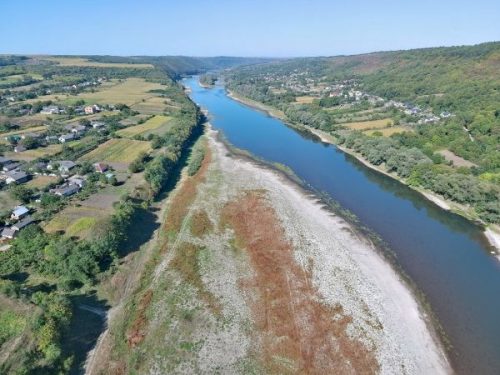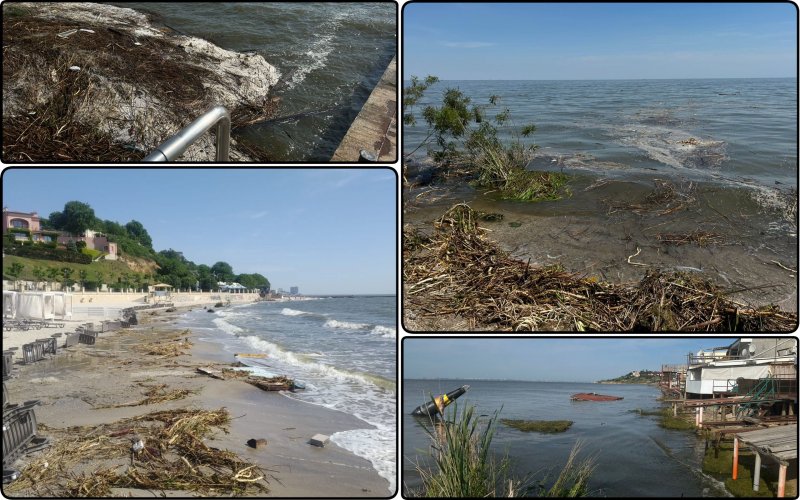
Eco-inspectors found a decrease in the salinity of the Black Sea water in Odessa by almost 3 times after the explosion of the Kakhovskaya HPP.
Also, in the water on city beaches, an excess of iron content was found 9 times higher, the State Environmental Inspection of the South-Western District reports on Facebook.
It is noted that eco-inspectors took samples of sea water on June 10 for laboratory research.
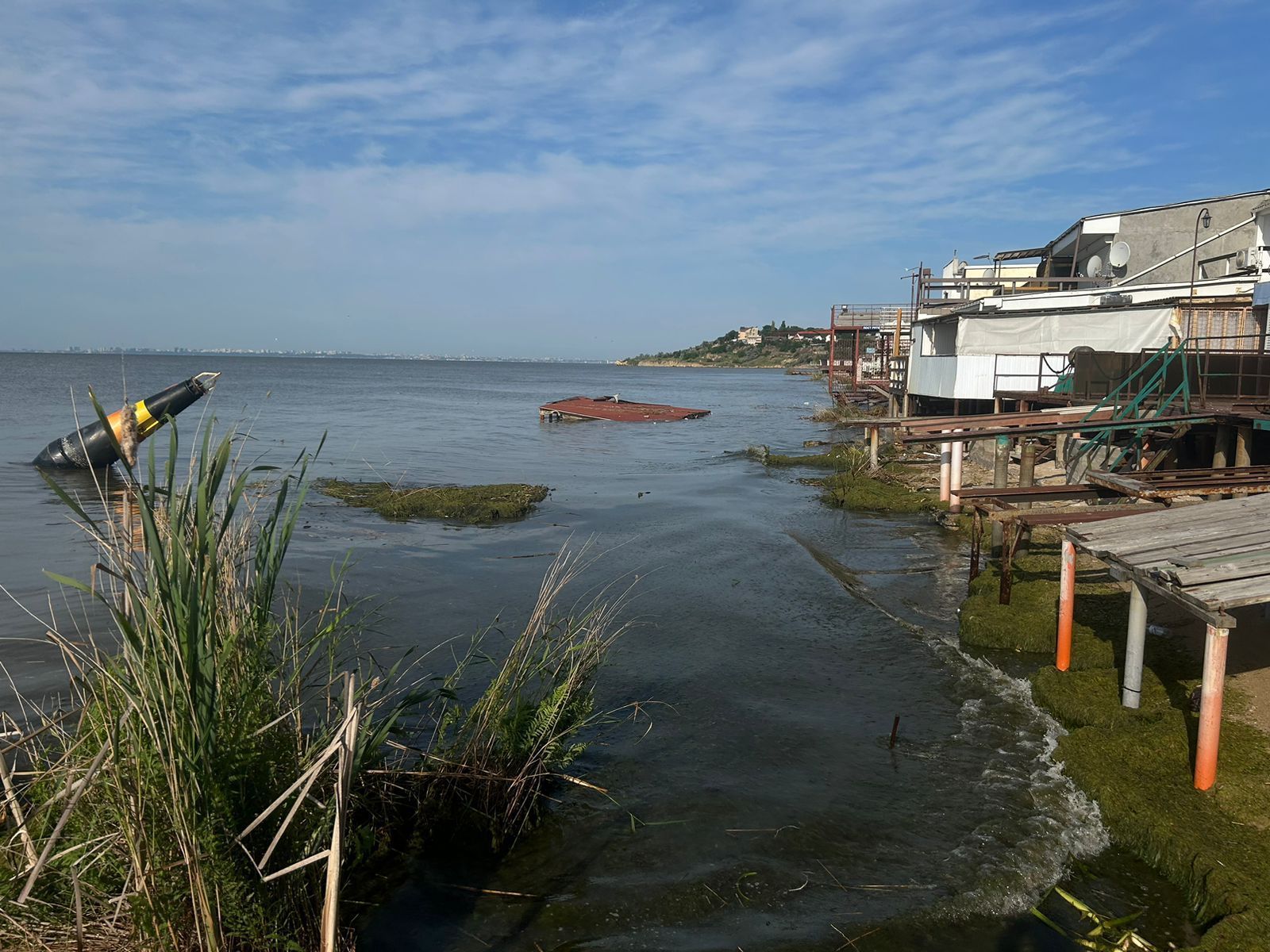
Exceedings detected:
Nova Dofinivka beach (243 berths):
- suspended substances – 1.6 times;
- total iron – 9 times;
- salinity is 2.7 times lower than normal.
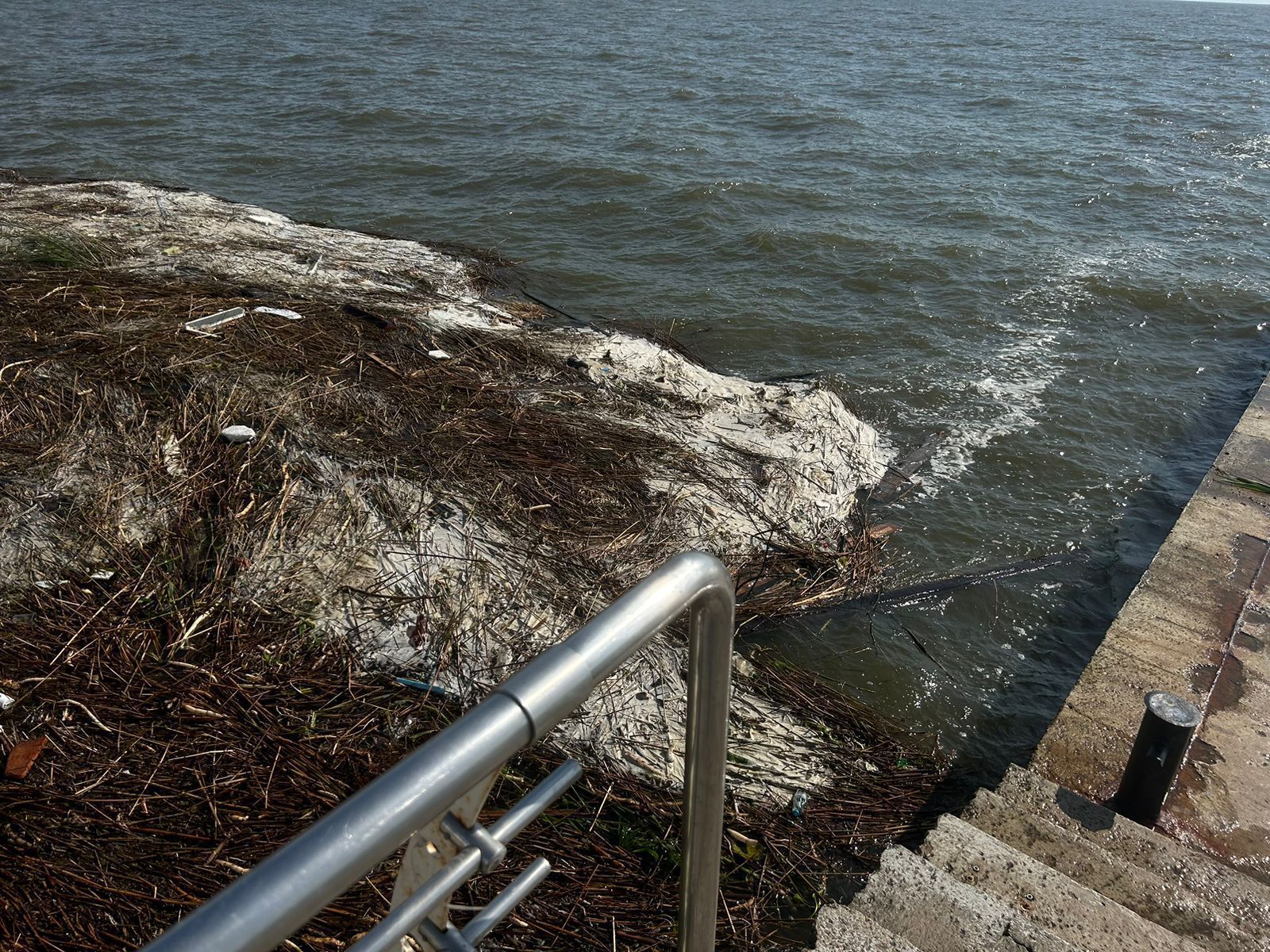
Langeron beach:
- total iron – 5.2 times;
- salinity is 2.9 times lower than normal.
16th century beach Big fountain:
- suspended substances – 1.1 times;
- total iron – 3.4 times;
- salinity is 2.9 times lower than normal.
Earlier, EcoPolitic wrote, that in Odesa saved the dog who was carried by "big water" on a board for several days. The water also brought debris of houses, furniture, equipment and mines from the flooded Kherson region.
As EcoPolitic previously reported, the European Environmental Bureau published a statement regarding the detonation of the Kakhovskaya HPP, which deeply condemned Russia for aggression, which led to extraordinary environmental and humanitarian consequences. The agency called on the UN, the International Criminal Court and its member states to consider the destruction of the dam as a war crime against the civilian population and ecocide on the territory of Ukraine and beyond.