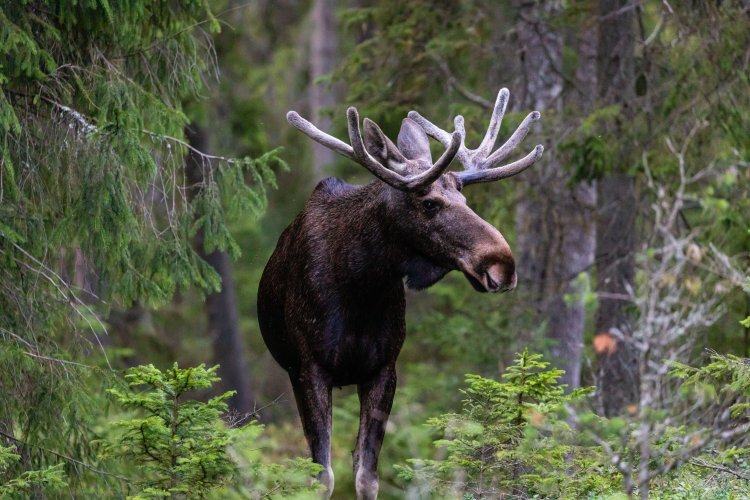
A record number of moose were recorded in the Chornobyl zone. Photo fact

A record number of moose were recorded in the Chornobyl zone. Photo fact shutterstock

Elizaveta Volkotrub

Due to the decrease in population, moose were included in the Red Book of Ukraine

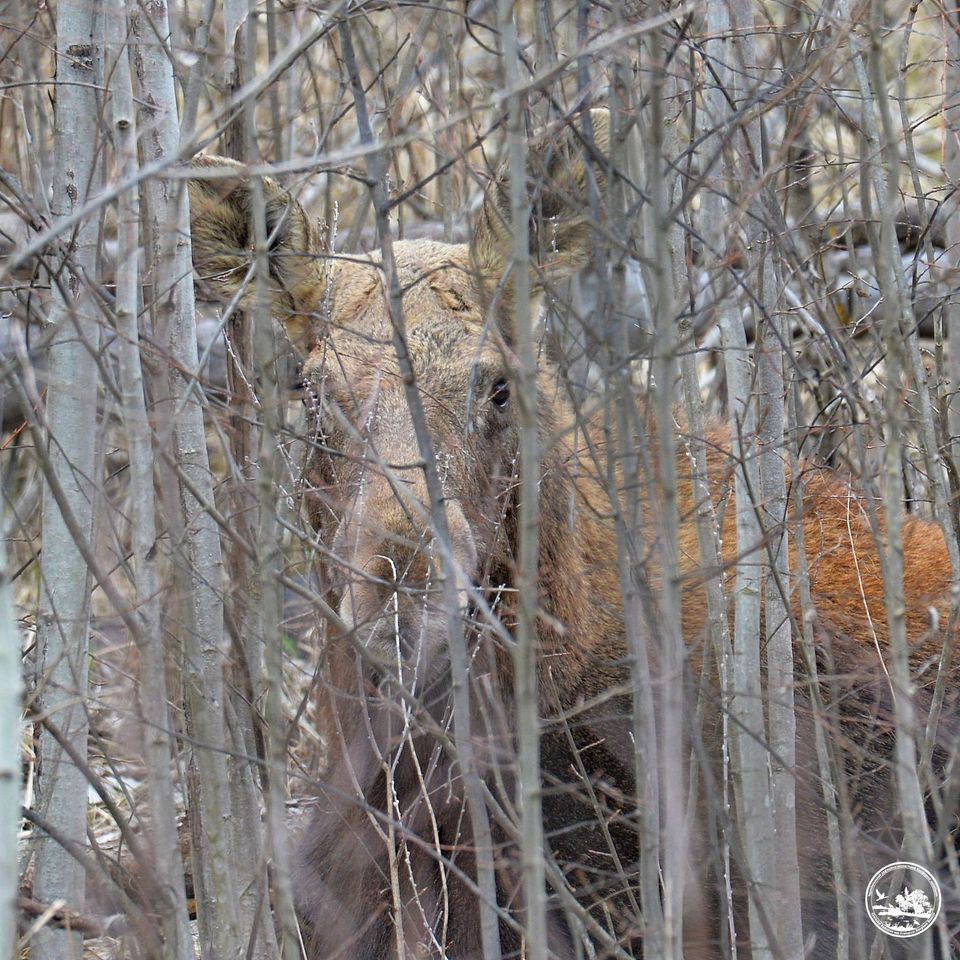
In the Chornobyl zone in the Kyiv region, the reserve's staff spotted a record number of elk.

This was reported by the press service of the Chornobyl Radiation and Ecological Biosphere Reserve.

It is noted that from time to time, the reserve's employees carry out bird counts at the Chornobyl NPP cooling pond. They also observe other animals.

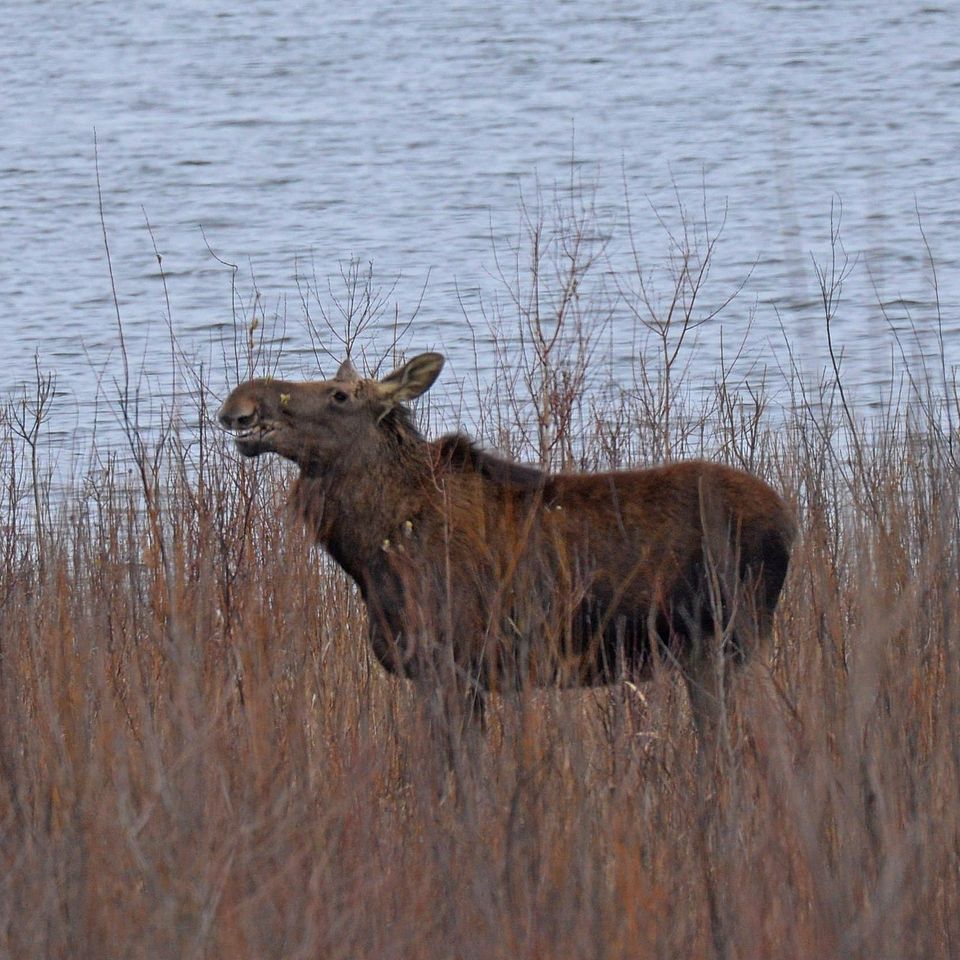
This year, a record number of elk was recorded – seventeen in total. Five of them were spotted at the distribution dam, and another twelve were observed along the Prypiat River.

"Of course, we didn't see all of them. The river is an obstacle for migrating elk, who are in no hurry to cross it," the reserve explains.
Experts say that this year a very small number of birds have been found for the spring period: 4 cormorants, 3 ospreys and 11 eagles. However, they hope that more birds will appear over time.

As EcoPolitic previously reported, a photo trap in the Medobory Nature Reserve in Ternopil Oblast captured a forest cat.

Related
World Dog Day: what you need to know about protecting your pets

Work is currently underway on a draft bill that will introduce stricter penalties for cruelty to animals

Top environmental disasters in Ukraine since the start of 2026

Ukraine has seen large-scale forest fires, spills of pollutants and low water levels in rivers

Top environmental offences most commonly committed in Ukraine

We are talking about hundreds of millions in losses and the destruction of ecosystems

Rare species of river fish have been discovered in Chernobyl

The nature reserve has become a home for two endangered species