Air quality deteriorates sharply in 10 Ukrainian cities

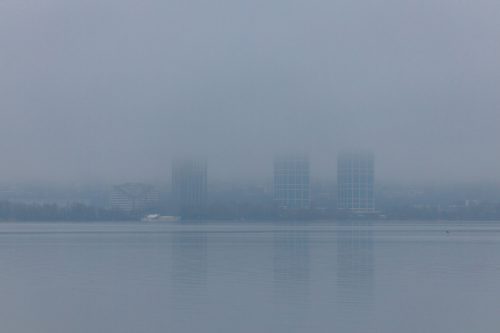
Air quality deteriorates sharply in 10 Ukrainian cities Shutterstock
Katerina Belousova

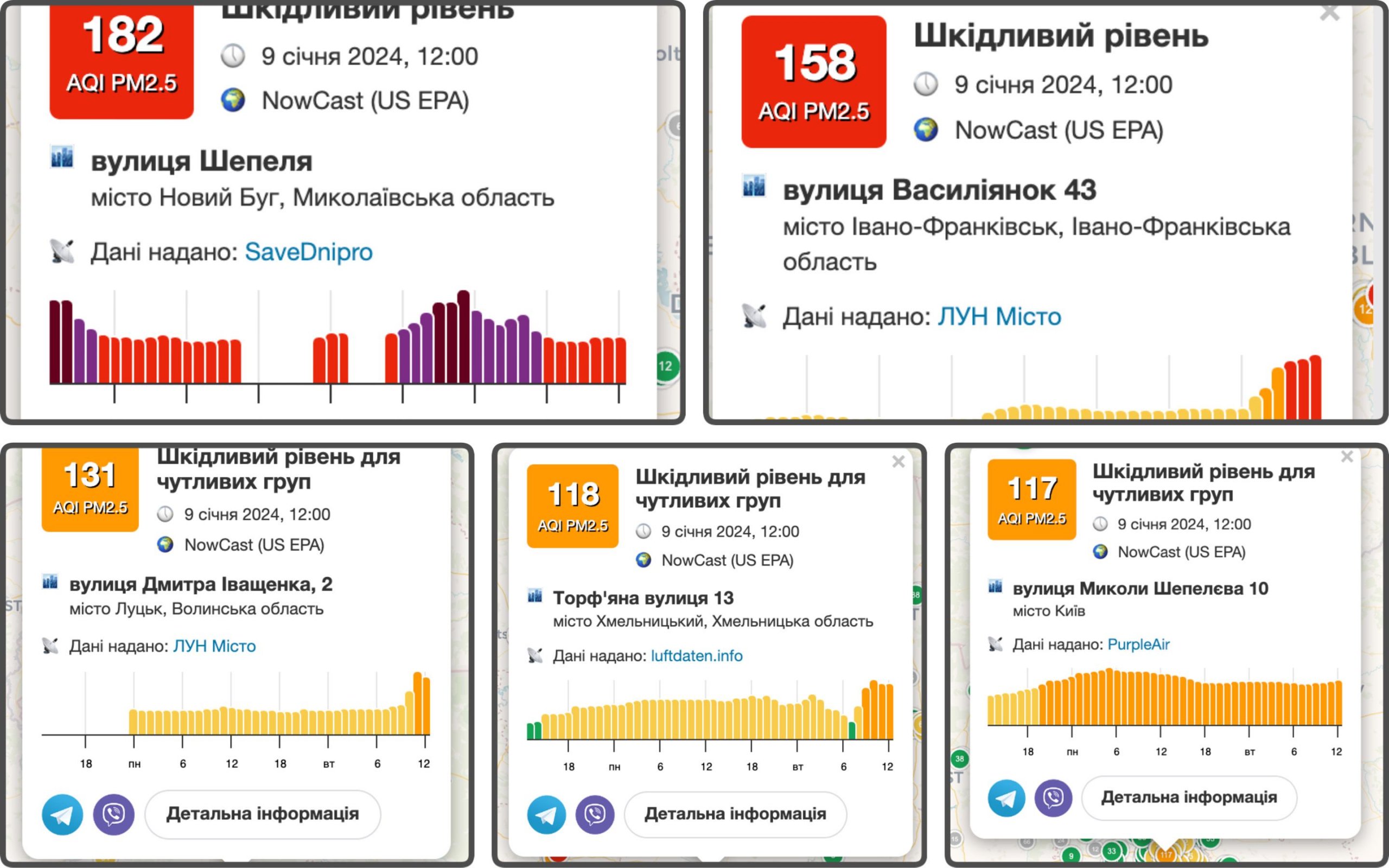
In Kyiv, the level of PM2.5 dust reached 117

On Tuesday, January 9, air quality in Ukraine deteriorated sharply in a number of cities, with PM2.5 dust levels reaching 182 (harmful levels) in Novyi Buh in Mykolaiv region.

In this city, the maximum level of such dust reached 356 (dangerous level) on January 8 at about 23:00, according to the SaveEcoBot online air quality map.

The worst air quality was also recorded by online monitoring stations in:

  • Ivano-Frankivsk – AQI PM2.5 158 (harmful level);
  • Ternopil – 157;
  • Lutsk – 131 (harmful level for sensitive groups);
  • Khmelnytskyi – 118;
  • Kyiv – 117;
  • Novovolynsk, Volyn region – 111;
  • Stryi, Lviv region – 109;
  • Zaporozhye – 103;
  • Lviv – 103.

One of the likely reasons for the deterioration of air quality was the increased burning of fossil fuels and wood for heating due to frost.

As you know, with this deterioration of air quality, people are advised to refrain from walking outside, drink more fluids and, if available, use air purifiers.

Earlier, EcoPolitic wrote, that in the first half of 2023 in 9 cities of Ukraine, namely Dnipro, Kamiansk, Odesa, Mykolaiv, Kyiv, Vinnytsia, Lviv, Zaporizhzhia and Lutsk, a high level of air pollution was detected.

As EcoPolitic previously reported, eco-activists have prepared TOP-5 tips on how to protect from the negative impact of inhaling air polluted by solid PM2.5 particles.
Related
Air pollution levels in Ukrainian cities on 18 September

The highest concentration of fine particulate matter in the air in Dnipro is more than 7.5 times higher than in Lutsk

Air pollution levels in Ukrainian cities on 17 September

No critical exceedances of pollutant levels have been recorded to date

The US is lifting restrictions on greenhouse gas emissions from coal- and gas-fired power stations

It is the energy sector that is responsible for over a quarter of the US’s emissions

The European Parliament has extended the scope of the CBAM to cover derivative products and closed loopholes that allowed the rules to be circumvented

At the same time, EU exporters who are hardest hit by the SVAM may be eligible for support from the Temporary Decarbonisation Fund as early as 2027