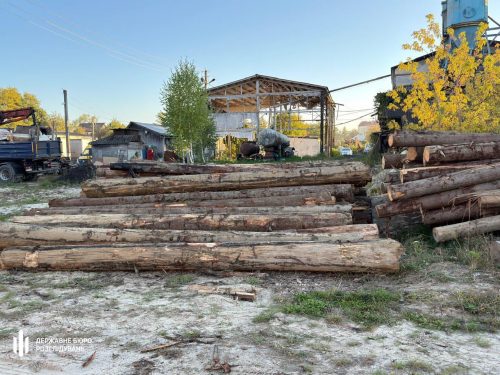
There has long been a fundamental dispute between the authorities and environmentalists over grass mowing, which has recently taken the form of a petition to the Cabinet of Ministers of Ukraine. For local authorities, ‘well-maintained’ often means plants cut right down to the ground. Experts emphasise that mowing destroys the green cover, which then fails to fulfil any of its functions — from dust suppression to providing habitats for biodiversity.
EcoPolitic explains why this is harmful and how you can try to bring about change by making your voice heard.
Municipal workers oppose ‘innovations’
A regrettable incident occurred recently in Zaporizhzhia. For the second time in two years, experimental climate-friendly flowerbeds created by the local NGO ‘Ecosense’ were destroyed.
Seventeen species of wild perennial herbs had been sown on a plot in Trudova Slava Park. These included sage, daisies, marigolds and thyme. Thanks to the rain, the plants sprouted abundantly and bloomed just as profusely. Special signs had been erected next to the flowerbeds. However, this did not stop the municipal workers with their petrol-powered brush cutters.
Of course, the local authorities subsequently apologised to the public, but the experiment, which was intended to demonstrate a different approach to lawn maintenance to the city, had been thwarted.
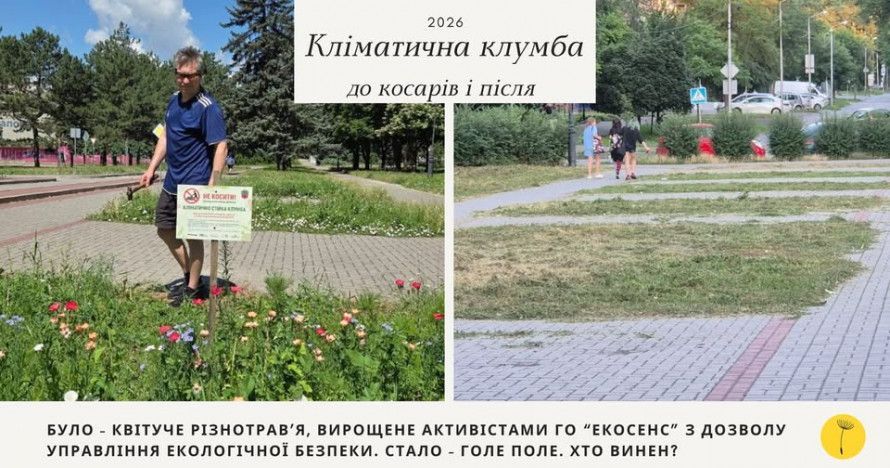
Source: NGO "Ekosens"
Targeted experiments
Kyiv authorities are experimenting with herbaceous meadows instead of lawns. In total, there are 29 such sites covering over two hectares. This response was provided by "Kyivzelenbud" in reply to an inquiry from the media outlet "Suspilne".
“Creating such natural blooming spaces in the capital is ongoing, as they support biodiversity conservation, maintain pollinator insect populations, are more resilient to drought periods, and align with modern European urban landscaping approaches,” the reply states.
The municipal workers also added that 251 hectares of territory are already subject to limited mowing. At the same time, they assured journalists that they do not cut the grass down to the ground. In reality, however, official statements often contradict actual practice.
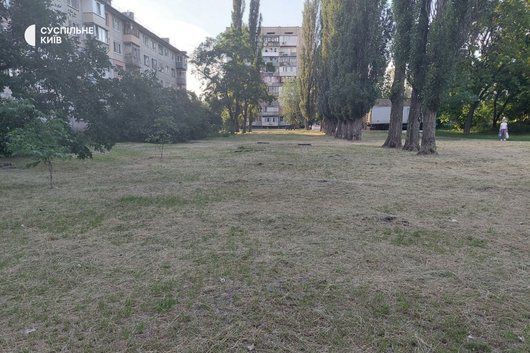
Area in Dniprovskiy District of Kyiv after grass mowing. Source: Suspilne News
Petitions to the authorities
This inquiry was a response to a petition on the website of the Kyiv City Council, which calls for regulating grass mowing. It alleges that self-government bodies destroy the entire green layer, exposing the soil and causing dust. The petition also mentions the need to follow the European approach to lawn maintenance. So far, the statement has gathered less than 20% of the required signatures.
Later, a petition also appeared on the platform of the Cabinet of Ministers of Ukraine, which calls for the introduction of modern environmental standards for grass mowing in Ukrainian settlements.
The author of the petition, Yana Koshel, is calling on the government to draw up national guidelines on the environmentally friendly maintenance of urban lawns. This would involve setting a minimum permissible mowing height, introducing the principles of differentiated mowing, creating urban meadows, and optimising the frequency of mowing in order to reduce expenditure of public funds.
The petition has already gathered 4,338 signatures out of the 25,000 required. There are still 63 days left until the end of the petition period.
Harm instead of benefit
In their efforts to tidy up the city, municipal services sometimes cross a line-specifically, with mowing height. Cutting grass too short is actually more harmful than one might think.
- Destruction of vegetation. Flora often cannot withstand intensive mowing. Restoration requires significant resources, and depleted urban soils, especially in conditions of insufficient rainfall, simply cannot provide them. As a result, lawns turn into dusty wastelands.
- Soil degradation. Without plant cover, the soil dries out more quickly and loses nutrients. The area becomes vulnerable to weeds and diseases, and over time, can become entirely “barren.”
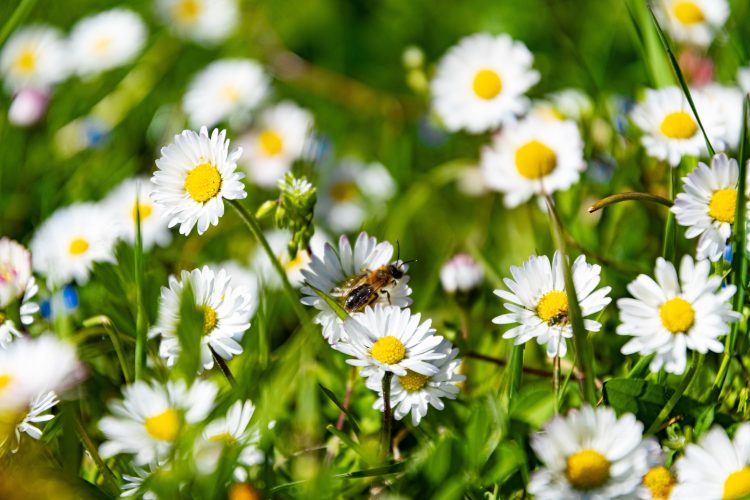
- Loss of biodiversity. Destroying grass also means destroying habitats for insects, birds, and small animals.
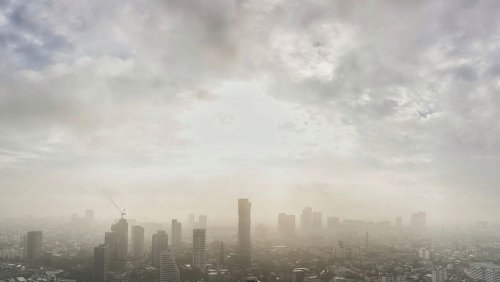
- Impact on the microclimate. Lawns are meant to trap city dust and other atmospheric pollutants, as well as cool urban spaces. Without vegetation, this is impossible.
Meanwhile, in Europe, “smart mowing” and a differentiated approach have long been standard practice. The goal there is to preserve even small green areas in their most functional state.
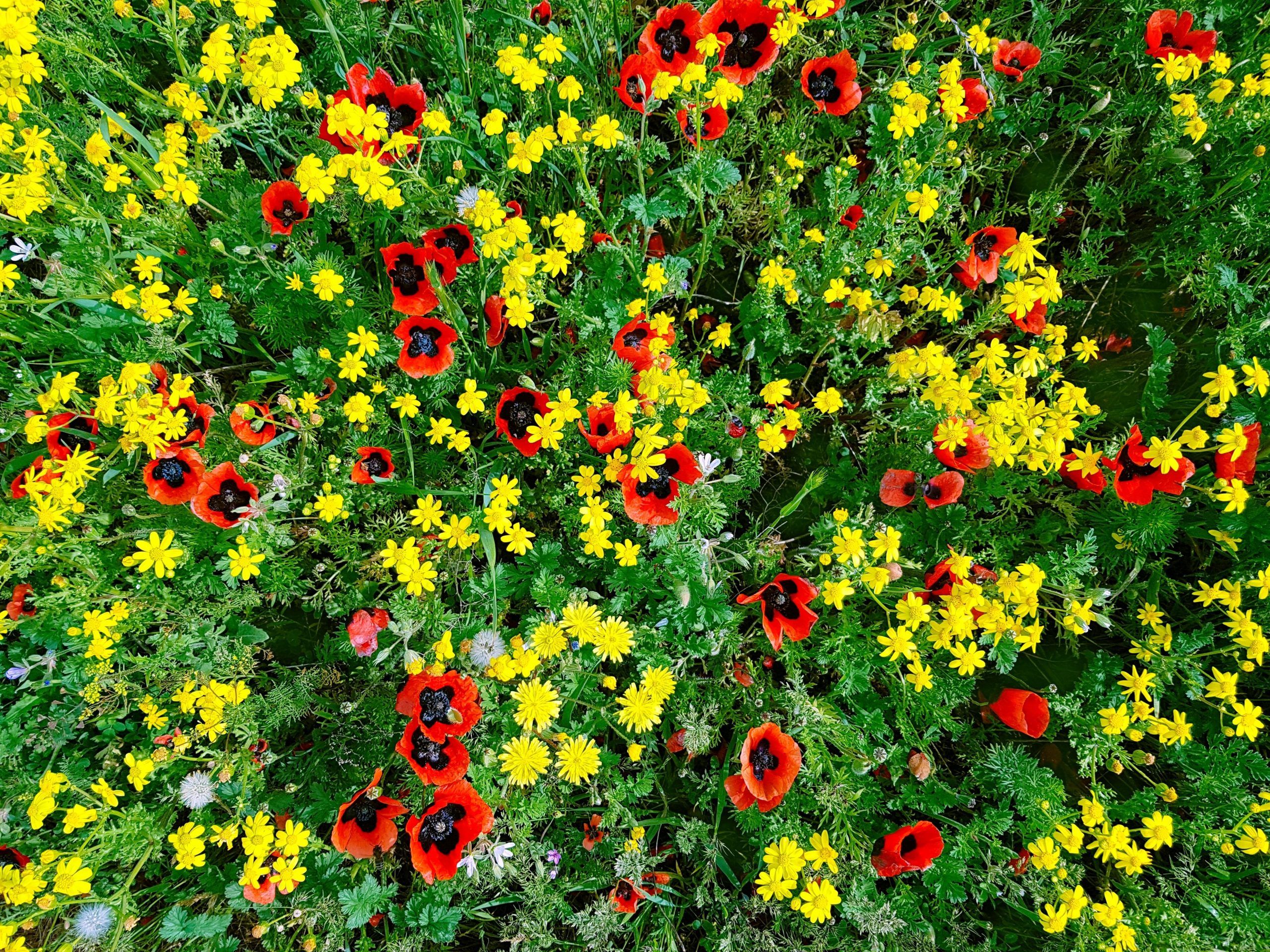
Source: shutterstock
To find out how much Kyiv spends on park landscaping, see this link.