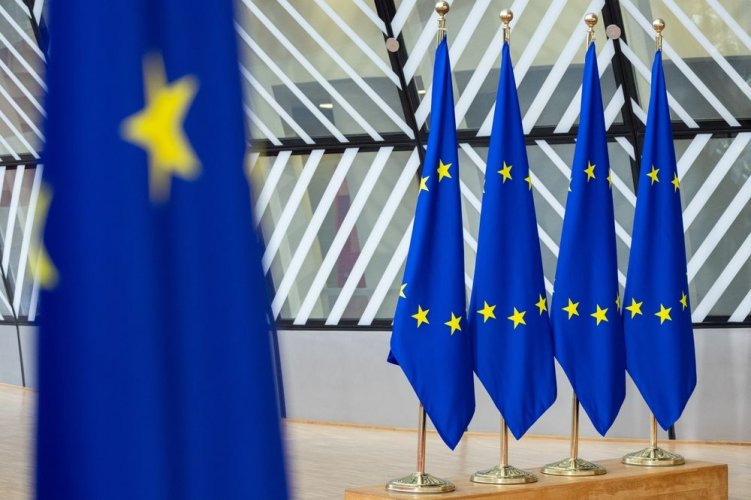
The European Parliament's Committee on the Environment, Climate, and Food Security has approved three key demands ahead of the United Nations COP30 climate conference.
This was reported by the European Parliament on its official website.
MEPs stress the need for EU climate policy to maintain high ambitions in line with agreed targets. In particular, it should prioritize economic efficiency and environmental protection in its actions. Among the key climate requirements for the European Union are:
1) Gradually phase out fossil fuels and subsidies for them
MEPs stressed the need for EU countries to phase out fossil fuels. They also called on the Commission and member states to set specific deadlines for phasing out fossil fuel subsidies.
2) Address climate, peace, and security issues
The European Parliament report states that climate change could lead to a shortage of natural resources, food shortages, increased tensions in international relations, and conflicts over natural resources. In particular, it is a cause of natural disasters.
MEPs stressed that the international community should pay greater attention to the impact of conflicts on the climate and noted the scale of environmental damage caused by military action in Ukraine and the Gaza Strip.
Officials also want the defense sector to contribute to the fight against climate change by reducing emissions and accelerating decarbonization in the industry.
3) Set clear climate targets
Parliamentarians call on the Council to adopt the EU's 2035 climate commitment as soon as possible. In particular, they note that the EU has not submitted its updated Nationally Determined Contribution (NDC) to the Paris Agreement on time. The report also emphasizes the need to adopt a science-based EU climate target for 2040 in line with European climate legislation.
The EU resolution calls for intensified global efforts to reduce emissions and address climate impacts in all sectors. In particular, in the methane sector, road transport, international shipping, agriculture, the textile industry, and tourism.
We remind EcoPolitic readers that in November, the European Union will set new emission reduction targets for 2035 and 2040 ahead of the COP30 climate summit.
European Commission President Ursula von der Leyen has stated that Europe will stick to its climate goals, as Brussels is cutting red tape.
This will help businesses with the green transition. It will also help attract investment in power grids so that consumers can enjoy the benefits of cheaper renewable energy.