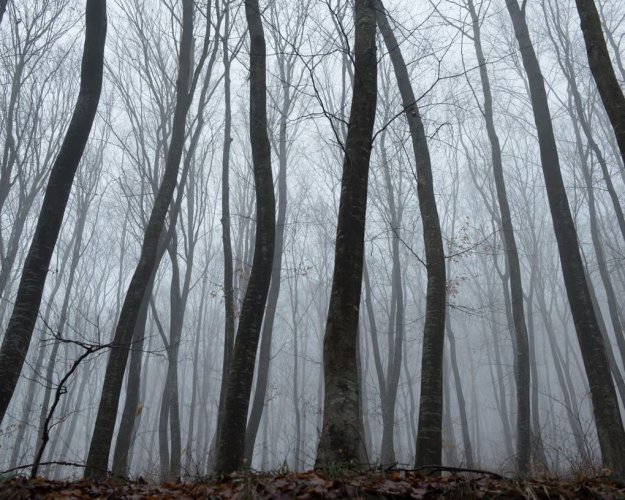
The whispering of trees in the fog, energy anomalies, lost communications and people, UFOs, a psychiatric hospital as the final destination for visitors—there are many myths surrounding the Hoia-Baciu forest in Romania. This attracts paranormal researchers, while the forests themselves remain an example of untouched nature. However, urbanization does not scare mystics.
According to The Guardian, a local guide founded the Hoia-Baciu Project to draw attention to the forest and protect it from deforestation.
A foggy magnet for the paranormal
Hoia-Baciu has been overgrown with folk legends for centuries, which over time have become increasingly fanciful, like the intertwining branches of ancient beech and oak trees. The forest itself is named after a shepherd who disappeared here in ancient times, along with two hundred sheep.
In 1968, this strange place became known to the world when a camera belonging to military technician Emil Barna allegedly photographed a UFO hovering over a clearing. Since then, the paths of all researchers of the supernatural have been trodden here — yogis, psychics, and simply lovers of tickling their nerves in the mystical atmosphere of the forest.
Tour guide Marius Lazin told The Guardian about the various paranormal events that tourists encounter.
“Some people claim to hear a disembodied whisper through the trees or feel hands grabbing or pushing them,” says Marius.
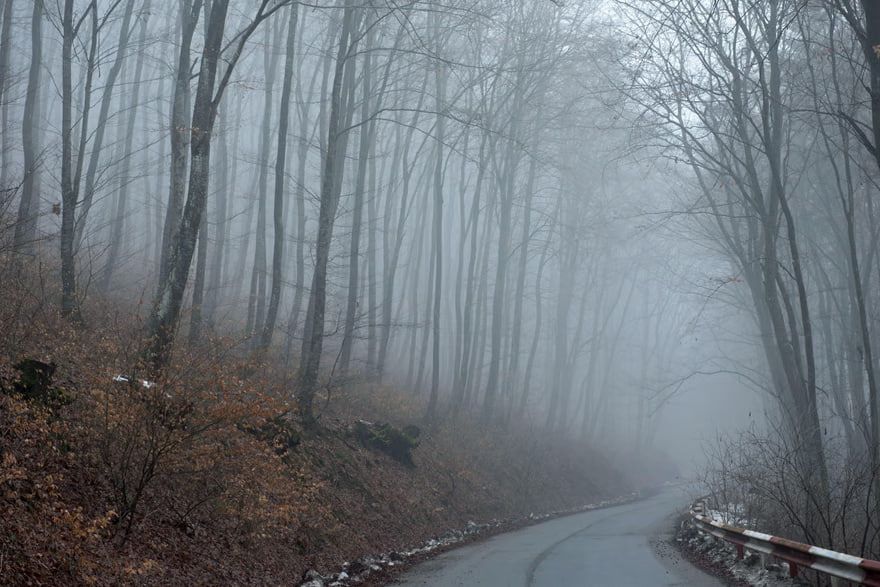
The Guardian. Photograph: Pal Szilagyi Palko / Alamy
Magic under threat from urbanization
The publication names Hoya-Băciu as one of the world's top pilgrimage sites for lovers of paranormal phenomena. However, this atmospheric location, so unique in the technological era, is under threat of disappearing. Ironically, it is precisely because of technology.
The suburbs of Cluj-Napoca are located near the forest. The city is already being called the Silicon Valley of Eastern Europe. And it is growing. The growing population needs housing, so developers are increasingly seeking permission to build high-rise buildings. However, this requires cutting down the forest.
Hoia-Baciu is not protected by official status — only a few hectares with rare Mediterranean oaks are under protection. Therefore, the Hoia-Baciu Project, founded by Marius, seeks to draw the attention of the authorities to the location and recognize its value as an important tourist attraction.