Summer is the most pleasant time of year for spending time close to nature. Picnics by the water’s edge, walks in the woods and hikes in the mountains are all very popular ways for Ukrainians to spend a weekend or a holiday. However, when enjoying such leisure activities, it is always important to bear in mind the key point: we are merely temporary visitors, and our main task is to minimise our impact on the ecosystem.
EcoPolitic has compiled key recommendations on how to avoid harming the environment whilst on holiday.
Leave nothing behind
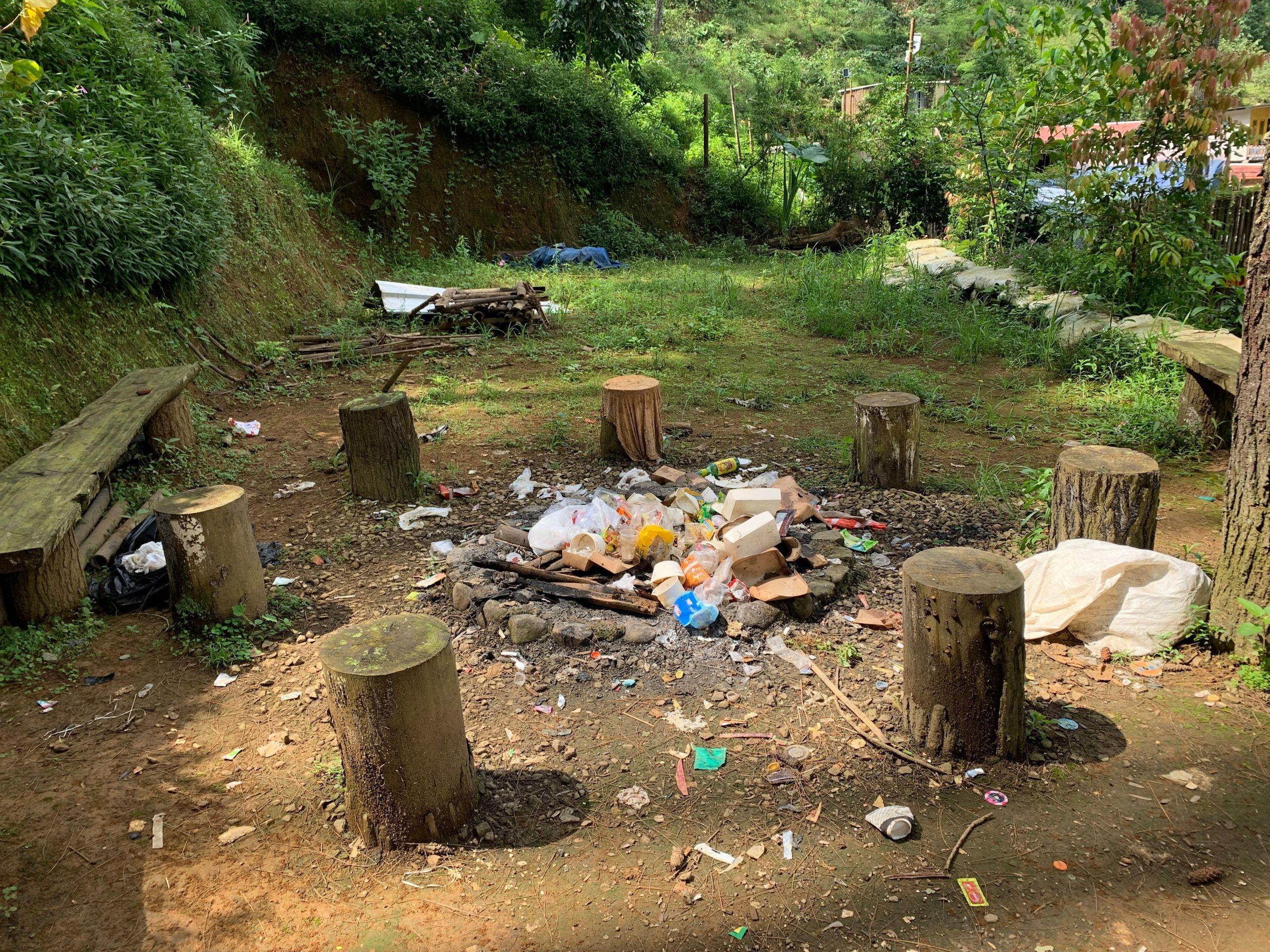
Ideally, you should leave the site exactly as it was before your visit. The key to this is not to litter. We therefore recommend the following:
don’t forget to bring a sufficient number of trash bags with you when heading outdoors;
- collect everything you brought with you before leaving. This applies even to paper or organic waste. If possible, also pick up items left behind by less responsible visitors who came before you;
- take as few disposable items as possible. It's better to wash reusable dishes at home than to throw plastic plates in the trash.
If you have the opportunity to sort your waste, and there are containers for separate collection along the way, it’s best to pre-sort different types of waste in advance.
Source: shutterstock
Keep the Fire Under Control
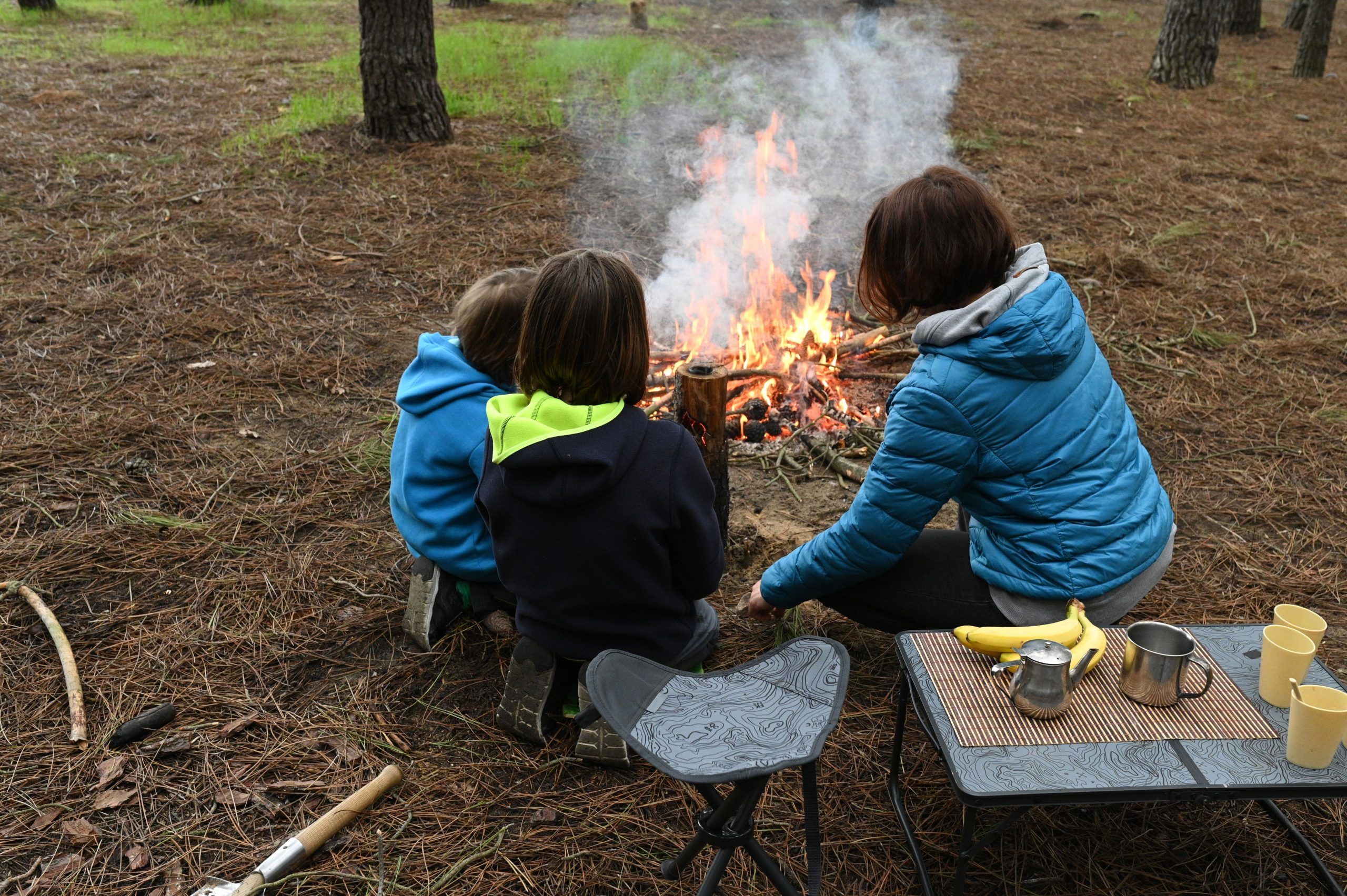
Cooking over an open fire is practically the centerpiece of gatherings by the shore or in the forest. Yet even the smallest spark, carried by a strong wind, can turn a pleasant outing into a wildfire in the ecosystem. This is especially true during the hot summer months, when ecosystems are dry due to a lack of rainfall.
So, if you do decide to build a campfire, here are the main rules:
- light fires only in specially designated areas. If no prepared spots are available, it’s better to choose a location where food has previously been cooked;
- never build a fire on dry grass, near bushes, or beneath low-hanging tree branches;
- do not use combustible substances to ignite the fire;
- never leave the fire unattended, as even a light breeze is enough for the flames to escape the fire pit;
- always extinguish the fire before leaving and check that no smoldering embers remain. You can use water or sand for extinguishing.
Source: shutterstock
Do Not Interfere with Nature
For people, this is a place for temporary rest, but for plants and animals, it is a permanent home. Therefore, you should not harm nature.
- do not pick flowers or damage plants;
- stick to well-trodden paths to reduce harm to grasses and their inhabitants;
- do not feed wild animals. This can accustom them to eating food from humans, disturbing their established hunting patterns, and human food itself may be harmful to them;
- avoid making loud noises or playing loud music, especially during quiet seasons.
EcoPolitic reminds: setting fires in ecosystems carries significant fines. Citizens may be fined up to UAH 6,120, while officials can face penalties up to UAH 21,420. And this is only administrative liability. If the fire causes significant damage, you will also have to pay compensation for the harm caused. In certain cases, even criminal liability may apply.
Additionally, in Ukraine, there is a possibility of increasing the amount of fines for littering. Penalties are also expected to increase specifically for forest pollution. The maximum amount for individuals will be UAH 5,100, and for repeat offenses – UAH 15,300.