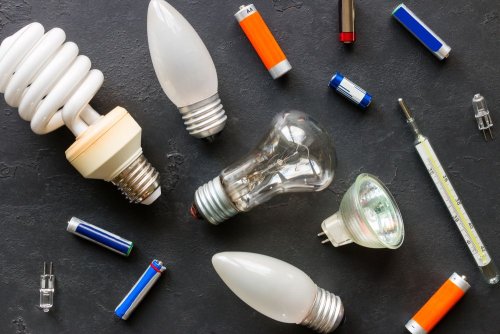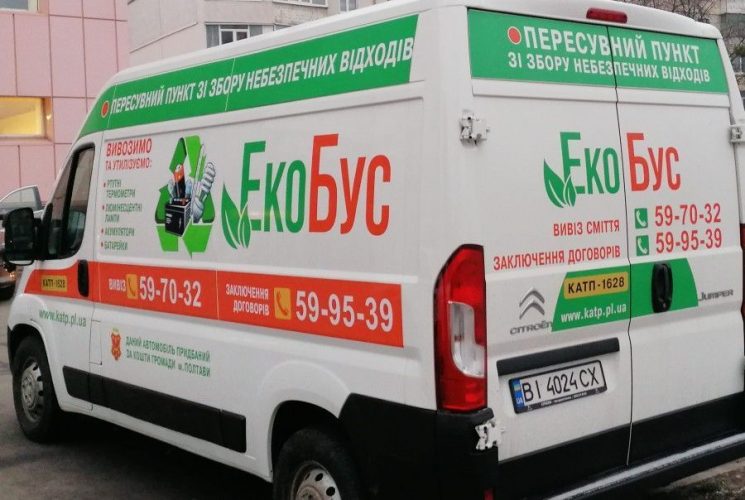
In a number of regional centers, batteries, mercury lamps, and other hazardous waste can be dropped off for recycling free of charge at a convenient location. To do so, simply find the nearest EcoBus stop—a special mobile waste collection point.
EcoPolitic has compiled information for its readers on the June schedule for these special vehicles.
Lviv
The rules in the Lviv community remain unchanged—each person may drop off up to 10 kg of batteries, up to 10 fluorescent lamps, and no more than five mercury thermometers.
The state-owned enterprise "Bodnarivka" added that waste should only be brought in undamaged condition.
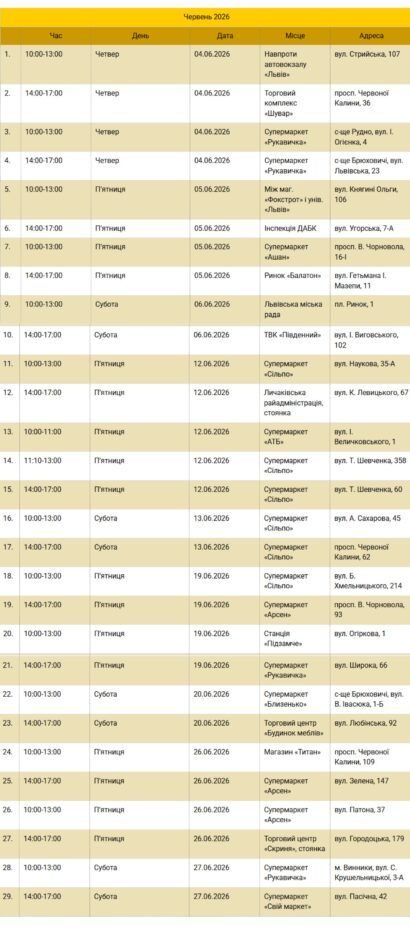
Source: State Enterprise "Bodnarivka"
Poltava
In addition to stops within the city itself, the Poltava eco-bus will also visit the villages of Miltsi, Takhtalove, and Semyanivka. At each location, the mobile collection point will be open from 9:30 a.m. to 5:30 p.m. The eco-bus operates only on weekdays.
The municipal KATP "1628" has traditionally provided a list of waste items accepted for special disposal:
- used batteries;
- mercury thermometers;
- fluorescent lamps;
- cell phone batteries;
- expired medications.
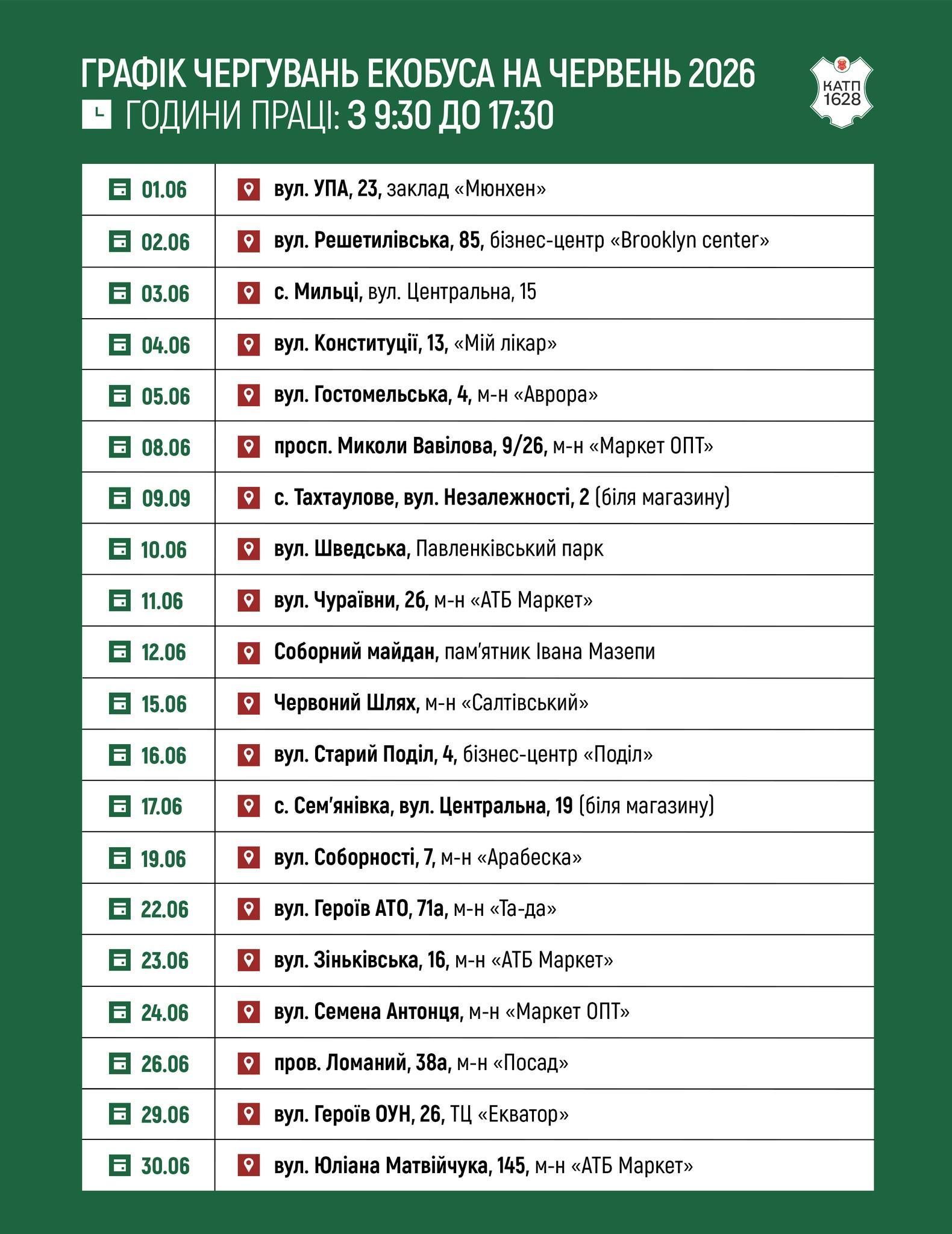
Source: KATP "1628"
Khmelnytskyi
In Khmelnytskyi, the special vehicle operates from Wednesday through Sunday. The "Smart Environment. Khmelnytskyi" office page notes that on June 3, the eco-bus will collect hazardous waste in the villages of the starosta district centered in Oleshyn.
On the remaining days, as usual, the vehicle will be waiting for residents in the regional center itself.
In addition to batteries, rechargeable batteries, mercury thermometers, and light bulbs, the Khmelnytskyi eco-bus accepts electrical and electronic equipment, paints, adhesives, household chemicals, and expired medications.
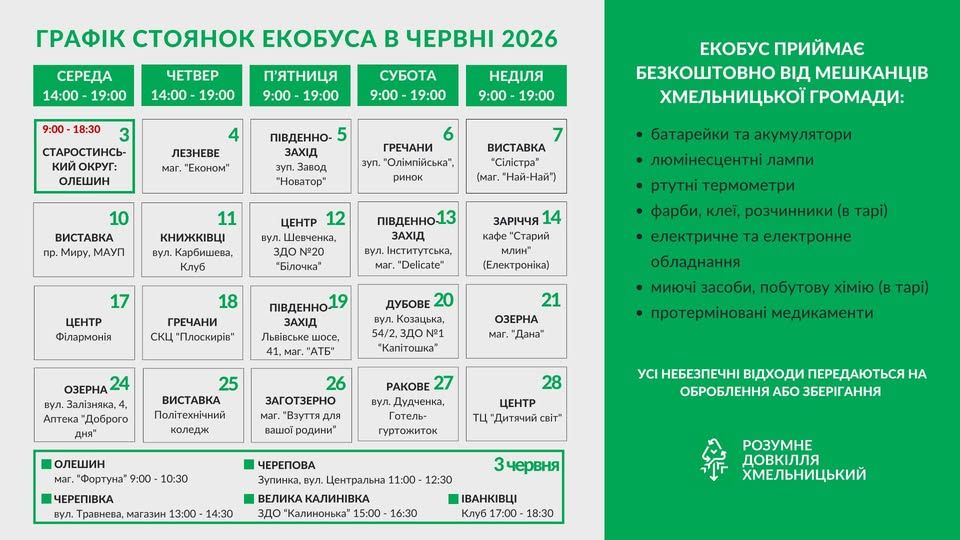
Source: "Smart Environment. Khmelnytskyi"
To make waste sorting a daily habit, you can follow the tips from EcoPolitic.