A grandiose project to produce green hydrogen and ammonia could have "polluted the sky" in the Atacama Desert. This is where the world's largest telescopes for observing space are located. After a year of deliberations, Chile's environmental regulator banned the construction.
According to The Guardian, the scientific community saw the project as a threat to space research.
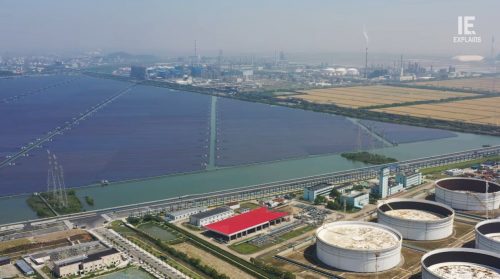
The project, known as INNA, involved large-scale production of green hydrogen and ammonia. It included a port, transport links to the coast, and three solar power plants. The investment in construction was estimated at $10 billion, and the complex of buildings and infrastructure would have covered an area of 3,000 hectares.
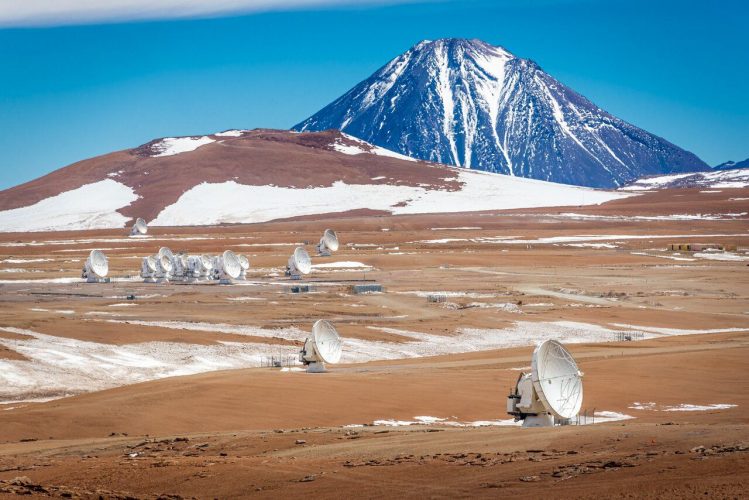
However, INNA could have interfered with space exploration. Atacama is considered the best place in the world for ground-based astronomy, which is why the most powerful telescopes are located here. Scientists have repeatedly sounded the alarm that production would affect the quality of observations.
“What this megaproject has brought is an urgent need for clear protective measures around the sites in Chile where professional astronomical research is conducted. The cancellation of the project does not mean that work to safeguard the sky is finished,” said Itziar de Gregorio, representative of the European Southern Observatory (ESO).
The production facility could have caused a range of obstacles for space research. Scientists mentioned increased light pollution, micro-vibrations of the ground that could harm sensitive equipment, as well as dust pollution that would constantly cover the telescope mirrors.
The developer, AES Andes, declined to comment, though stated in a press release that the project was entirely compatible with “other activities in the region.”
The Paranal Observatory telescopes have made it possible to collect data for three Nobel Prize-winning discoveries. One of the laureates, Reinhard Genzel, even took the lead in writing a public petition calling for the closure of INNA, which was supported by the Chilean government.
EсoPolitic previously reported that more than 10,000 tonnes of debris are already “orbiting” the Earth in outer space. Collisions of this debris could trigger a chain reaction and damage space objects. However, the removal of space debris is hampered by the norms of the Outer Space Treaty.