Receivers at "ground-based" wind farms can collect energy generated in space. This conclusion was reached by researchers in the UK when assessing the feasibility of launching test projects for space solar energy. This is one of the breakthrough technological steps that the state is considering to provide consumers with clean and uninterrupted energy.
According to Interesting Engineering, this is evidenced by a study published by the UK Department of Energy Security and Net Zero (DESNZ).
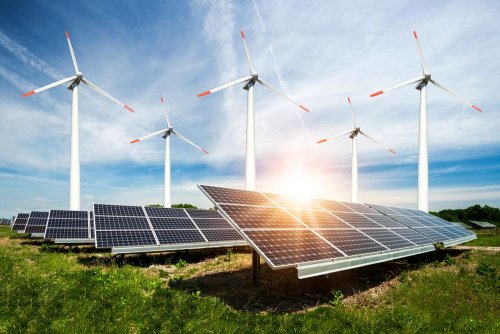
Small solar power stations (SBSPs) can supply the generated energy in the form of microwave beams. Special satellite receivers—rectennas installed on existing offshore wind farms—are capable of receiving these waves, converting them into "traditional" energy, and transmitting them to the national grid.
The concept of space-based energy
The technology of space-based solar power involves two key processes: harvesting solar energy directly in space using orbital devices, and delivering it to Earth.
This approach has several fundamental advantages:
- better capture of solar radiation, which is weaker on Earth due to atmospheric influence,
- almost continuous sunlight,
- the possibility to position receiving elements at the most optimal angle to the Sun, which increases system efficiency.
All these factors make space-based solar power plants 13 times more efficient than identical plants installed on the planet’s surface.
Onshore wind and solar energy have a critical drawback: they generate power intermittently, as they depend on weather conditions and the season. However, space-based solar generation could be continuous and around-the-clock.
The British study found that a single SBSP solar platform is sufficient to generate up to 2 GW of energy, which is comparable to the output of a typical nuclear reactor.
Colossal investments may be justified
The initial investments in the development of space-based energy are extremely high. However, the report emphasizes that political support and targeted investments could make orbital energy competitive with other renewable energy sources (RES) as early as 2040. By that time, the cost of 1 MW of such energy could range from $118 to $175.
“Small SBSPs have the potential to support the path to net zero by reducing the risks on the way to a large-scale system, thereby lowering investment barriers,” the study says.
An additional factor that must be considered before deploying SBSP is the environmental impact. The report notes that this still requires detailed study.
Recently, a costly hydrogen production project was canceled in Chile. According to EcoPolitic, this happened under pressure from space researchers. Some of the planet’s most powerful telescopes are located near the proposed construction site.