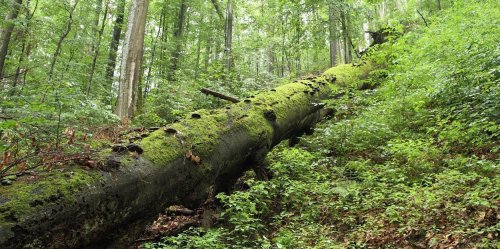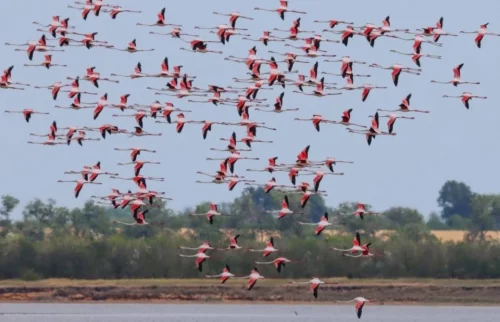
In October 2024, an entrepreneur illegally started sand mining in the territory included in the Emerald and Ecological Network in Mykolaiv region.
This was reported by the Ukrainian Environmental Protection Group (UPG).
According to the activists, the chronology of events is as follows:
Summer of 2024 – individual entrepreneur Serhii Lapko submits an environmental impact assessment (EIA) report for approval for sand mining in Mykolaiv region. The land where the work is planned is a virgin steppe slope, the UPG says.
Between October 5 and October 23, 2024, the territory was illegally excavated before the first attempt to pass the EIA was completed.
November 4, 2024 – The Ecology Department of the Mykolaiv Regional State Administration denies the applicant's request for approval. Experts point to 18 violations, including those related to biodiversity.
February 3, 2025 – A new report prepared in the winter (November-January) is published. According to experts, biodiversity research is impossible at this time of year. They say that out of 18 comments, only 3 were taken into account in the new report, and the main text remained almost unchanged.
March 10, 2025 – The Ministry of Environmental Protection and Natural Resources of Ukraine begins reviewing the EIA report.
Activists say that the report's authors explicitly admitted that they had started mining without a permit before the EIA procedure was completed.
“At the same time, the steppe and part of the forest were destroyed. This is a gross violation of the law, which entails liability and a possible complete ban on activities. In addition, the site contains Red Book species that were probably destroyed. Damage to the Emerald Network is a violation of Ukraine's obligations under the Berne Convention,” they state.
Among the authors of the second report, the UPG named chemists and pharmacologists of the Petro Mohyla Black Sea National University “who have no competence in wildlife research”.
The environmentalists sent their comments and called on the Ministry of Ecology to provide a negative opinion on this EIA report. They also appealed to the Office of the Prosecutor General of Ukraine and the National Police in Mykolaiv Oblast to initiate criminal proceedings on the facts of unauthorized destruction of soil cover and illegal mining.
At the end of January, EcoPolitic reported that in Volyn, the prosecutor's office canceled the order of the State Service of Geology and Mineral Resources and protected the Smolyarovsky reserve from destruction. A private company also wanted to mine sand in this area.