Ukraine plans to increase the share of renewable energy sources in its overall energy balance to 27% by 2030. How far is the green energy sector from this goal at present?
The development of RES infrastructure allows several strategic goals to be achieved at once. Among them is the development of distributed generation, which has become critical in the context of Russia's attacks on the energy sector. Ukraine has also set itself the goal of reducing emissions by more than 65% from 1990 levels by 2035. Renewable energy sources will help in this. According to data from mid-2025, the share of green generation was 17.3%, which brings the country closer to the goal of the National Energy and Climate Plan. However, there is an important nuance.
When calculating the growth of the clean energy sector, it is extremely important to understand that it is happening in part "thanks" to the enemy's destruction of fossil fuel-powered generation facilities.
RES dynamics and sector problems
The share of RES in Ukraine's total energy generation amounted to 11% in 2024. Yes, this is more than four times less than the European Union demonstrated in the same year, but the dynamics of the industry's development are obvious. In just one year, Ukraine more than doubled its share of RES – by 6.4% compared to 2023.
The key challenges for development remain military risks and infrastructure destruction, as well as market imperfections and the need for integration with the European energy system.
Experts highlight the lack of energy storage systems as a separate issue. However, the Ukrainian market is gradually filling this niche. During 2025, a number of energy storage facilities (ESFs) with a capacity of over 500 MW were built in the country.
Energy from the sun
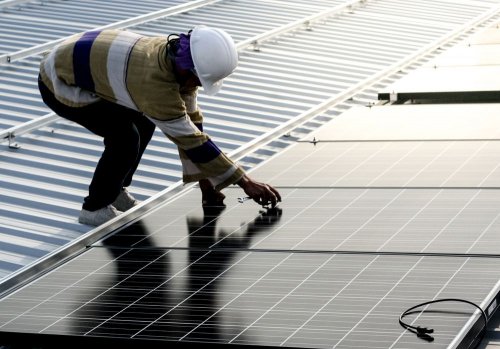
Solar energy accounts for the largest share in the RES structure. This sector is also developing most dynamically. In 2025, more than 1,000 MW of new solar generation capacity was commissioned.
Households, utilities, and businesses are actively installing solar power stations. These are mainly small solar power plants with a capacity of 5 to 30 kW. Most of the solar power stations built in Ukraine are of this type.
Wind energy
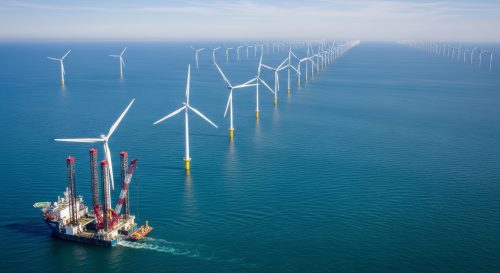
Ukraine's current installed wind power capacity is approximately 2.3 GW. However, 1.3 GW of this capacity is located in territories temporarily occupied by the enemy. This is according to data from the Ukrainian Wind Energy Association.
Nevertheless, even during a full-scale war, Ukraine is gradually increasing its wind energy production. In the early years, the construction of new capacity slowed significantly—from 2022 to the end of 2024, 248 MW of new generation capacity was commissioned.
In 2025, the wind energy market significantly increased its momentum, which may indicate its recovery. According to preliminary data, another 324 MW of capacity was added during the year, which is more than in the first three years of full-scale war.
Western Ukraine dominates the structure of regions where new capacities are being built, accounting for 44%. Central regions account for 34% of projects, and the south for another 22%.
Bioenergy
The share of biogas and biomethane in Ukraine's renewable energy structure is relatively small. However, this sector is also developing and has achieved several notable milestones.
In 2025, three Ukrainian biomethane producers – large agribusiness holdings – exported this gas to Europe for the first time. During the very first year of export, 11.2 million cubic meters of biomethane were supplied.
Landfills also have significant potential for biogas generation. Currently, about 25% of biogas in Ukraine is produced from waste.