Red Book plants destroyed on Obolon Island in Kyiv

Red Book plants destroyed on Obolon Island in Kyiv PhotoDocumentalist

Anna Velyka

Activists will prepare an appeal to the prosecutor's office

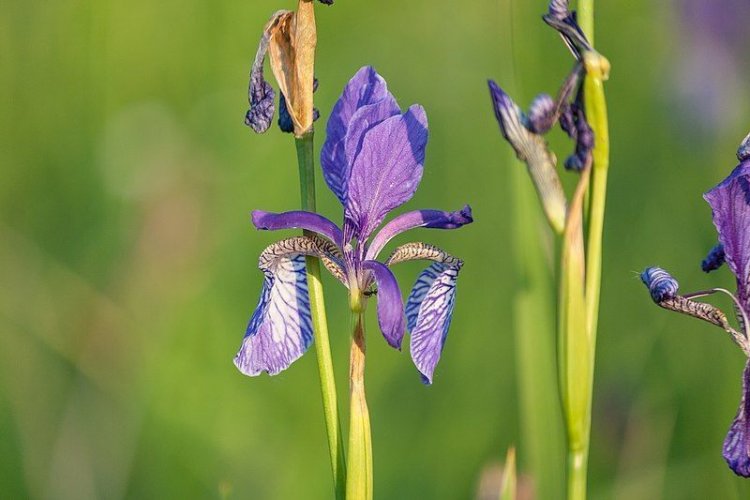
Ecologists of the Kyiv Ecological and Cultural Center (KECC) have discovered the destruction of one of the largest populations of Red Book plants in the capital, Siberian cockscomb, on Obolon Island.

They reported this on their Facebook page.

Experts claim that the land plot with the habitat of rare plants was located near the pedestrian bridge on Obolon Island within the Dnipro Islands Regional Landscape Park. According to them, it was bulldozed and planted with ordinary lawn grass instead of the Red Book flowers.

КЕКЦ

Photo: KECC

Activists are currently conducting an environmental audit of the island. After that, they intend to file an appeal to the prosecutor's office regarding the destruction of protected plants.

Earlier, EсoPolitiс told that ecologists from KECC accused foresters from Berdychiv forest farm in Zhytomyr region of destroying the population of a rare red-listed plant of the spiny plantain.


Related
Do you need permission to fell a tree near your home: restrictions and fines

If you cut down a tree on someone else’s land, you will have to pay a fine and compensate for the environmental damage

Why you shouldn’t burn fallen leaves: fines and more useful ways to use them

You could face a fine of over 6,000 UAH for this sort of ‘cleaning’ using fire

Hundreds of hectares of new woodland are to be created on degraded land in the south and east of Ukraine

They have promised not to touch the steppe areas so as not to harm the intact ecosystems

In Kyiv, the condition of five water bodies is being restored using biological agents

The preliminary and final scientific analyses of the water samples have been identified as separate stages