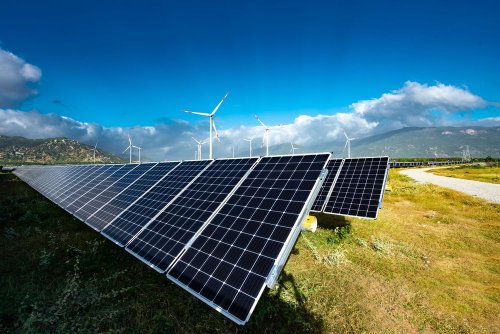
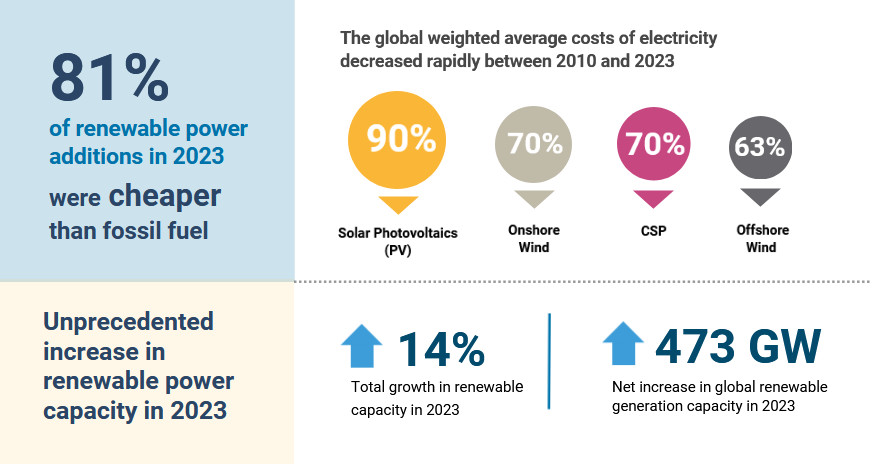
In 2023, 81% of renewable energy sources (RES) were cheaper than traditional fossil fuel options.
This statistic is provided by the International Renewable Energy Agency (IRENA) in its report “Costs of Electricity Production from Renewable Sources in 2023”, released at the Global Renewable Energy Summit during the UN General Assembly on September 24 in New York.
Experts noted that renewable energy sources remain competitive despite the fact that fossil fuel prices are returning to previous cost levels.
According to the analysts, after decades of falling costs and improving technology, especially for solar and wind power, the socio-economic and environmental benefits of renewable energy are now uniquely compelling. They cite the following figures to support their claims:
- of the record 473 GW of renewable energy generation in 2023, 81% (382 GW) of recently commissioned renewable energy projects were lower cost than their fossil fuel alternatives;
- thanks to a dramatic cost reduction of about 4 US cents per kilowatt-hour in just one year, global solar costs in 2023 were 56% lower than fossil fuels and nuclear power;
- renewable energy has saved up to $409 billion in fuel in the energy sector worldwide since 2000.
Source: irena.org.
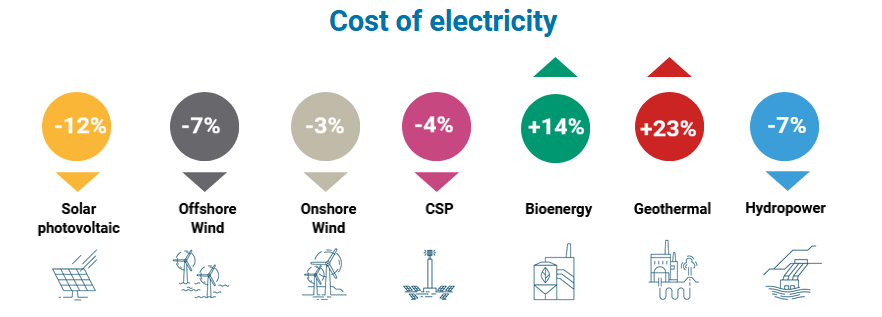
IRENA CEO Francesco La Camera said renewable energy remains competitive with fossil fuels.
"Thanks to the long-term policy of supporting renewable energy, it has accelerated its development. In turn, growth has led to improved technology and lower costs," he said.
Source: irena.org.
Achieving the goal of tripling renewable energy capacity by 2030, set by countries at COP28, requires global renewable energy capacity to reach 11.2 TW, adding an average of 1,044 GW of new capacity annually, experts say. According to IRENA's calculations, 8.5 TW will be provided only at the expense of solar photovoltaic plants and onshore wind farms.
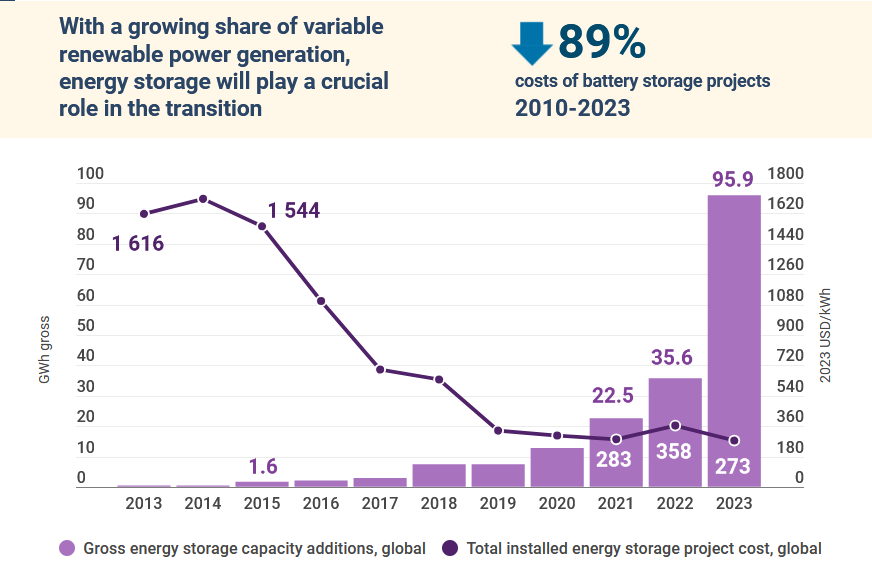
Most importantly, according to the agency's analysts, the tripling of capacity must be accompanied by key tools of the energy transition, such as energy storage. According to their data, in the period from 2010 to 2023, the cost of electricity storage projects decreased by 89%. This facilitates the integration of large capacities of solar and wind power, helping to solve the problems of the infrastructure of the power system.
Source: irena.org.
"In the coming years, a significant growth of all renewable energy sources is expected, which opens up great economic opportunities for countries," added La Camera.
Experts said that renewable energy has by default become the cheapest source of new electricity generation. They urge policymakers and stakeholders to focus on ensuring that policies, regulations, market structures, support instruments, risk reduction mechanisms and financing are quickly aligned with the Triple Aim and introduced in the next round of Nationally Determined Contributions (NDCs) to of the Paris Agreement in 2025.
The other day, EcoPolitic told that members of the International Energy Agency in their September report declared, that the climate goal of tripling global renewable energy by 2030 is well within reach.