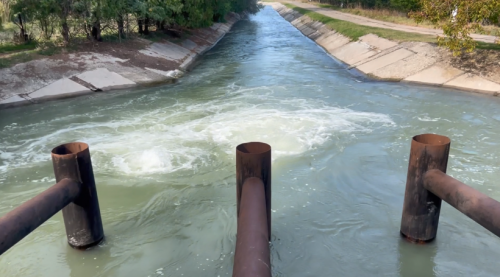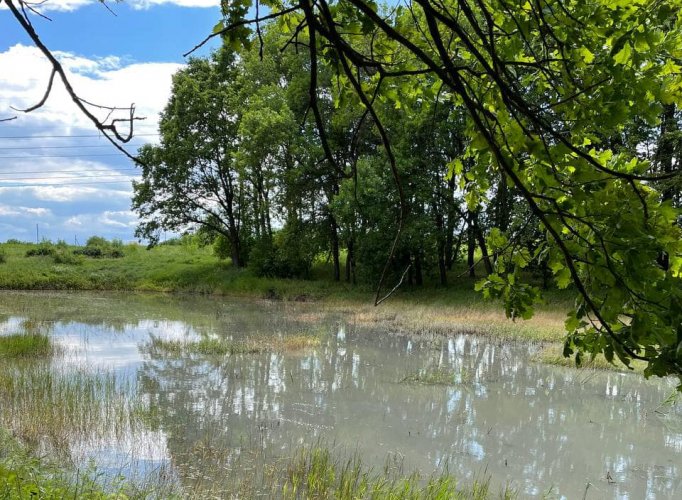
In the village of Dokuchaevske, which is located near Kharkiv, liquid from the collector flows directly to the local lake.
This was clarified after a survey of the area. Photos and videos from the scene on their own facebook page published by Kharkiv environmental activist and initiator of the action "Clean Udy" Artem Prykhodko.
According to him, there are several enterprises nearby near the lake, which gets sewage: the Rogan Brewery, the Rogan Meat Processing Plant and the Agromol Dairy Plant.
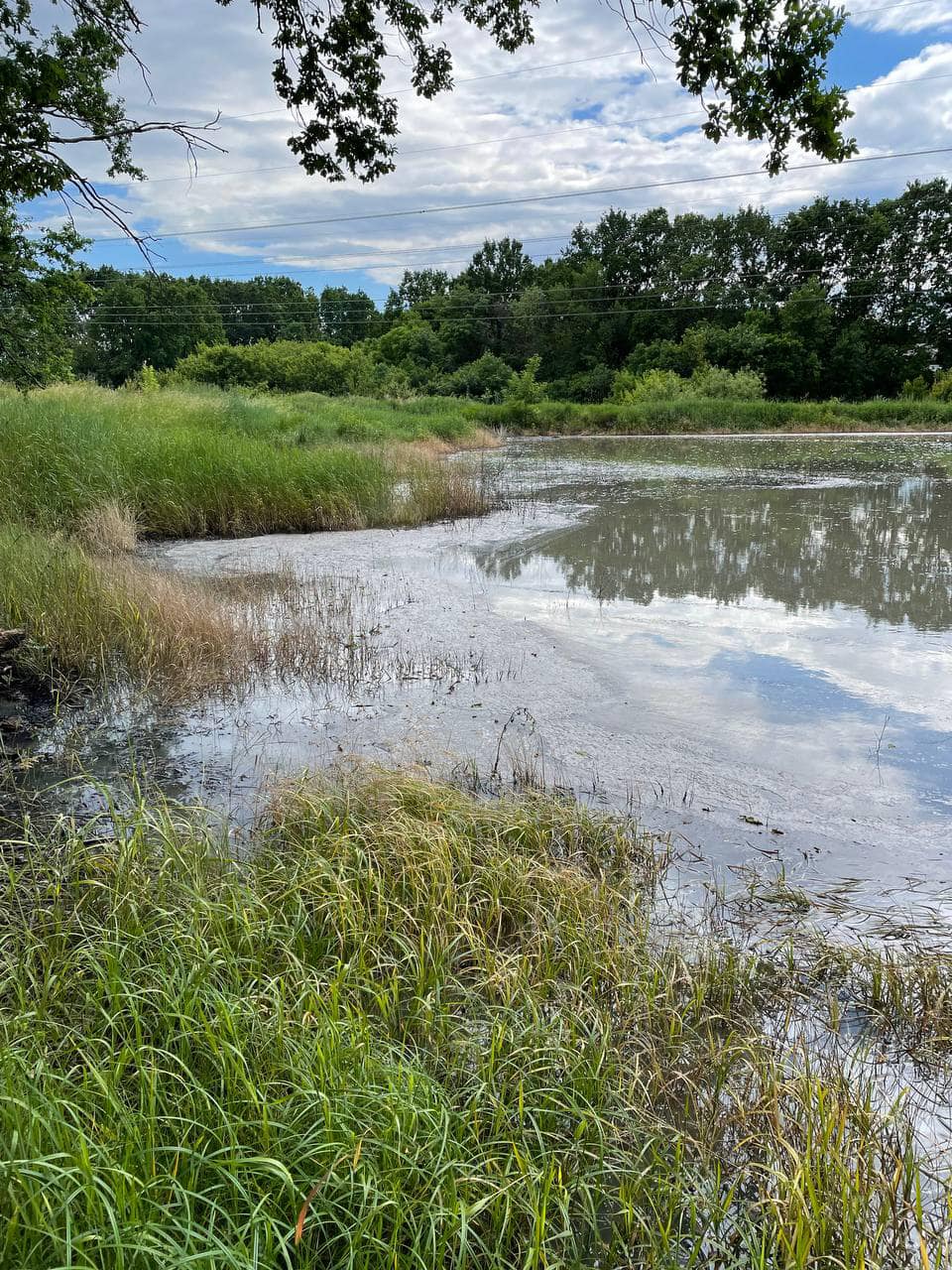
Photo: facebook.com/prihdkoartem
During the last month, the villagers began to suffer from the pungent stench of sewage.
In the video you can see the color of the water and the thick foam, which resembles industrial effluents from organic waste. Also in the video you can see that plants and trees have already begun to die.
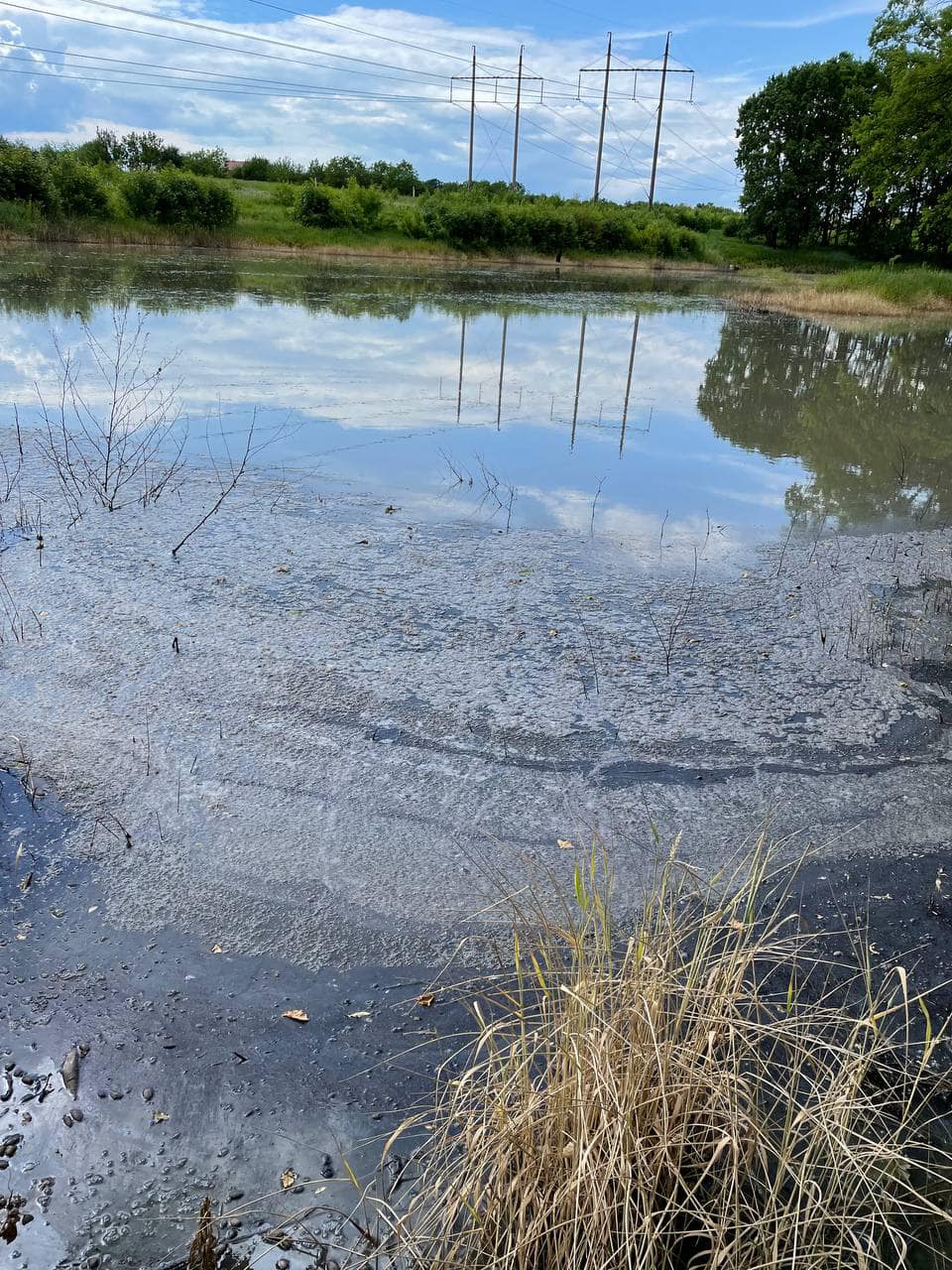
Photo: facebook.com/prihdkoartem
"Once this lake was the highlight of the village, there were nesting ducks, herons and fish - now the lake has become a purulent pit, which can not be approached because of the stench," - said Prikhodko.
He said that he would turn for help to the head of the Kharkiv regional state administration Oleg Synegubov to deal with this problem as soon as possible, otherwise all living things will die.
Before EcoPolitics reported that in Zhytomyr residents of the Kroshny district poured sewage from their private households to the Kroshenko River.