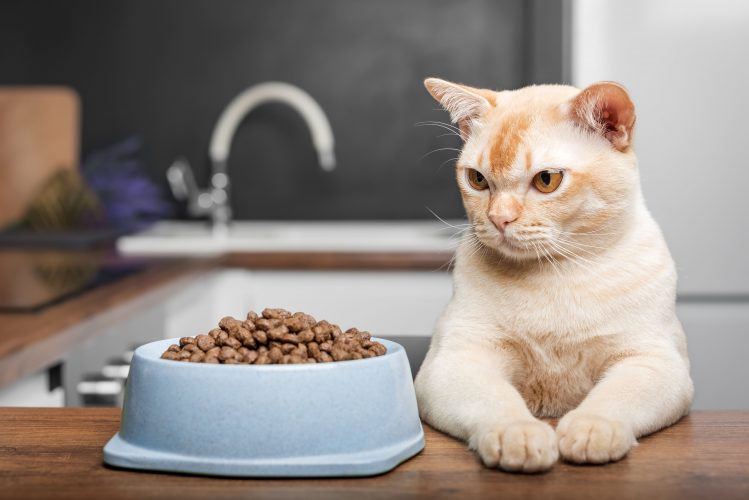
Heavy metals and hazardous toxic chemicals are found in most cat foods. This was discovered by researchers who analysed the contents of 100 cat food products from 62 brands.
This was reported by *People* magazine, citing research by the non-profit organisation Clean Label Project (CLP), which tests consumer goods.
The analysis was carried out to determine the presence of 122 toxins, and the levels of contaminants were measured per 1,000 g of food.
Striking results
Lead was detected in 99% of the feed samples tested, cadmium in 96%, and arsenic in 94%. It is worth noting that the lead content in dry feed is three times higher than in wet feed.
Overall, the feed samples with dangerous levels of lead contained 3.5 times more lead than typical products.
Manufacturers are also overusing plasticisers – special additives that are usually used to soften plastic and concrete. These were found in 48% of the cat foods tested.
Cats are also ‘fed’ herbicides. Moreover, the more plant-based ingredients there are, the higher the level of these toxins. According to the press release, the level of glyphosate ‘increased by approximately 40% for each additional plant-based ingredient listed on the label.
Protein content is an important factor in cat food. However, whilst poultry-based foods meet the required standards in 84.8% of cases, fish-based foods do so in only 27.5% of cases.
The researchers also found a link between the consumption of seafood and the mercury content in feed. Where such seafood is present, mercury levels are approximately 18 times higher.
"Pollutants are a constant factor that can build up in cats’ bodies over the course of their lives. For example, chronic kidney disease is one of the most common causes of death in older cats – the kidneys play an important role in filtering out heavy metals," the report’s author, Molly Hamilton, told CNN.
As a reminder, in Chernihiv, a woman was sentenced to five years’ imprisonment for beating a pregnant hedgehog. Meanwhile, Ukrainian tourists provoked public condemnation and legal action by the Omani authorities for riding on sea turtles.