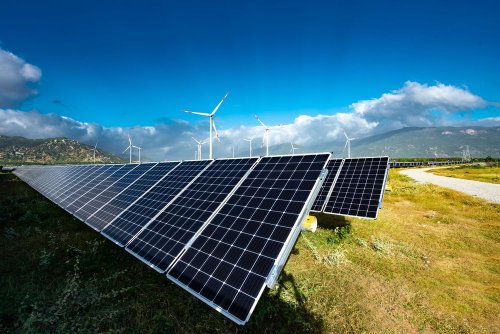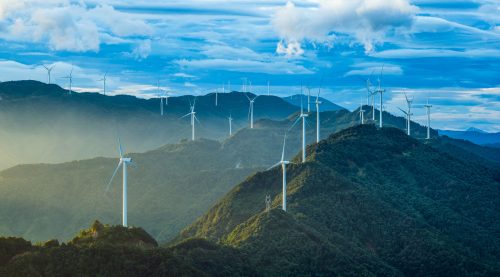
OKKO Group intends to increase its own energy capacities through solar, wind and solar power to almost 1 GW over the next five years.
These plans were announced by the company's CEO Vasyl Danyliak on Business Breakfast with Volodymyr Fedorin.
OKKO is to build approx:
- 600 MW of wind power plants (WPPs);
- 200 MW of solar power plants (SPP);
- 150 MW of energy storage facilities.
“We have already fulfilled some of these tasks,” said the top manager.
He also noted that distributed power generation is “primarily about security, which is a significant factor in every business.”
As a reminder, this group of companies has significant ambitions in the renewable energy sector. On February 4, we reported that it was the first in Ukraine to launch a 20 MW energy storage facility.
In early April, it became known that Galnaftogaz, which owns the OKKO filling station chain, signed an agreement to raise €157 million to build a 147 MW wind farm in Volyn. And at the end of the same month, we told you that OKKO is implementing a €110 million project to build a bioethanol plant, which is scheduled to be fully launched in Q3 2026.