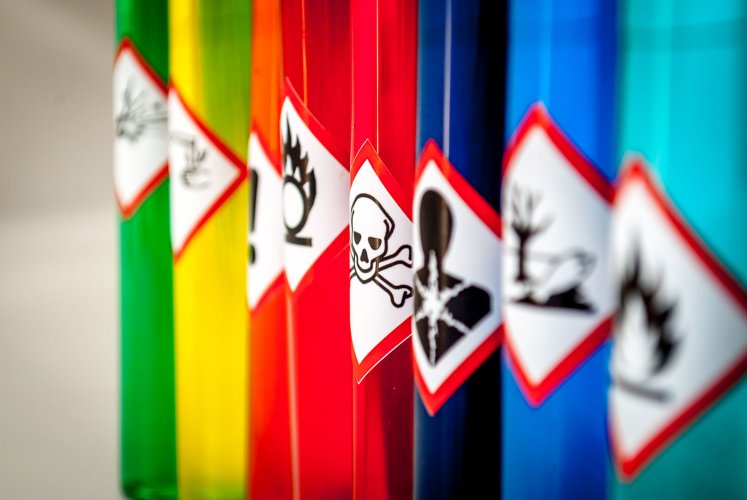
On December 10, the updated CLP (Classification, Labeling, Packaging) Regulation came into force in the European Union, which establishes new rules for the classification, labeling and packaging of chemicals.
This was reported by the European Commission.
What innovations have appeared
The developers claim that the updated regulation will improve chemical safety and information transparency. In particular, the new requirements stipulate that websites will have to clearly indicate the hazardous properties of products, and advertising and online offers will have to contain information about chemical hazards.
The new rules also introduce simpler and clearer requirements, including the introduction of digital labeling and improved label readability. Thanks to them, chemicals will be able to move freely across the EU.
The updated Regulation will speed up the identification of hazardous substances and mixtures at the EU level. This will be achieved through more complete information that will be sent to poison control centers for emergency medical care, especially as a result of cross-border distribution.
When will the new requirements come into effect?
The new rules will come into force on different dates:
- the obligations for industry will generally apply from July 1, 2026;
- however, some rules, such as the formatting of labels, will apply from January 1, 2027.
Substances and mixtures placed on the market during these periods do not need to be relabeled and repackaged in accordance with the new rules, but they may continue to be in the supply chain until July 1, 2028 and January 1, 2029, respectively.
It is expected that the CLP Regulation will also improve the functioning of the EU market for products containing hazardous chemicals.
Earlier, the EU Ombudsman Emily O'Reilly criticized the European Commission for its slowness in withdrawing hazardous substances from the market.