The Ukrainian government has significantly expanded the list of indicators for wastewater composition that are subject to control. In this way, the state is seeking to implement European Directive 2000/60/EC. However, according to experts, it is traditionally doing so hastily, categorically, and without realistic algorithms, which puts businesses in a stalemate.
As noted by the Association of Environmental Professionals (PAEW), businesses risk finding themselves trapped in a cycle of inspections and fines if they do not demand that the rules be made feasible to comply with.
Protection of Ukrainian water bodies according to the state
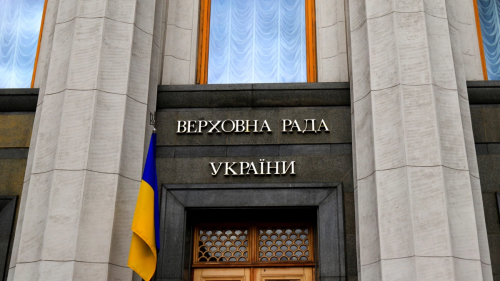
In December 2025, the Cabinet of Ministers amended regulations in the field of industrial pollution. The key aspect is the protection of water bodies. As they say, according to European standards.
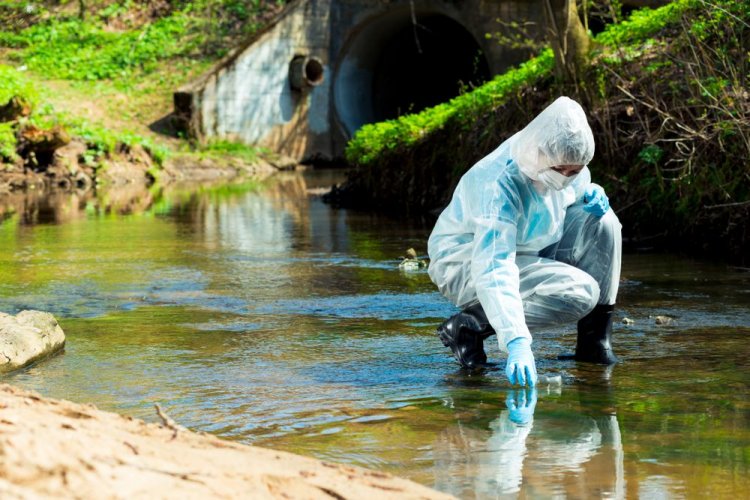
The document expands the list of pollutants whose discharge into industrial waters must be controlled by enterprises. Dozens of items have been added to it, including substances from the following documents:
- Annex 2 to the Law of Ukraine "On the National Pollutant Release and Transfer Register";
- List for determining the chemical status of water bodies and the ecological potential of artificial water bodies (Order of the Ministry of Environmental Protection No. 45).
"Business entities need to take these changes into account when developing standards for the maximum allowable discharge (MAD) and preparing the document package for obtaining a special water use permit," states the State Water Resources Agency.
Clear requirements – impossible to fulfill
While generally supporting the need to protect the environment and water in particular, experts raise the question: "How does the state propose that businesses fulfill this task if the tools are not available?"
And it's not just tools. According to PAEW Director Lyudmila Tsyganok, there are also insufficient accredited measurement methods and laboratory capacity.
"A universal list of indicators without tools is not environmental control. It is an imitation of control with all the consequences: formalities, conflicts, unequal rules of the game, and a monopoly on environmental data," the expert emphasizes.
This time it won't "slip through"
If businesses do not demand clear protocols from the state now, they will face inspections, lawsuits, dependence on a few laboratories, and corruption risks in the future.
"PAEW is not against control or reforms. We are shocked by something else: the state knows how to declare, but not how to build infrastructure, while businesses 'sit quietly' for years, then are surprised why they aren't heard and are under pressure," notes Liudmyla Tsyhanok.
Тherefore, the Association of Environmental Professionals insists on a transitional period for implementing the new standards until control methodologies are approved and there are enough accredited laboratories. The Association of Environmental Professionals (PAEW) emphasizes that clear criteria for the relevance of indicators for different production types must be established, and businesses must be granted the right to formally record the impossibility of measurement.
EcoPolitic previously reported that the Cabinet of Ministers has postponed the application of the new waste classification for taxation for the second time. Its implementation has been deferred for another year.
Meanwhile, the EU has strengthened the Carbon Border Adjustment Mechanism (CBAM) for imports. More details about the changes can be found at this link.