Ukraine has taken further steps to strengthen the decentralization of solar power generation. The impetus for action was the extremely difficult situation in the energy sector due to hostile attacks on infrastructure. Therefore, on January 28, the government announced several initiatives that will help create an extensive network of mini-solar power plants.
Simplification of rules
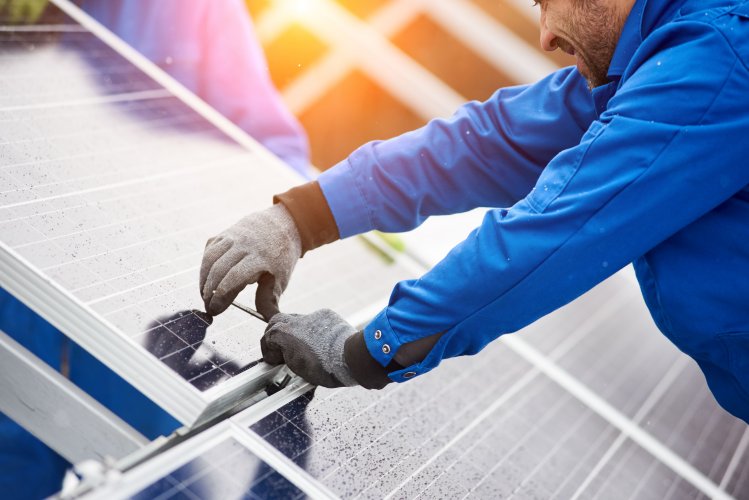
Previously, the installation of solar panels on buildings was equated with major repairs or reconstruction.
However, by Resolution No. 77 of January 28, 2026, the Cabinet of Ministers abolished the need to obtain special documents for the installation of such equipment.
"The installation of solar power plants on roofs and facades is now carried out on the basis of a technical survey report of the building. There is no need for additional permitting or registration procedures from the state architectural and construction control authorities," emphasized Ukrainian Prime Minister Yulia Svyrydenko.
The report, on the basis of which a permit for the installation of a solar power plant can be obtained, must contain conclusions on the following:
- the technical condition of the building;
- the possible impact on the strength, stability, and rigidity of the building structures;
- ensuring the reliable and safe further operation of the building after the installation of solar power plants or replacement of equipment on them.
State support
The government presented a new program called “Svitlodim.” Under its terms, multi-story buildings can receive government funds to ensure energy autonomy.
Homeowners associations (HOA), housing cooperatives, and management companies will be able to equip their own solar power plants or purchase other equipment for energy generation and storage.
Depending on the height of the building, the amount of state aid ranges from 100,000 to 300,000 UAH. Applications will be submitted remotely – a corresponding tool will soon be available on the Diia portal.
Decisions are promised to be made as quickly as possible. No more than two days will pass from the Ministry of Development’s approval of the application to payment. Within 45 calendar days, the recipient must purchase the necessary equipment, but no later than December 26, 2026. Within 30 days after installation, a report must be submitted through Diia.
You can find more details about the terms and conditions on the program’s website.
As previously reported by EcoPolitica, the increase in clean energy generation from solar in Ukraine is happening primarily thanks to small solar power plants. These are typically installed by households or businesses.