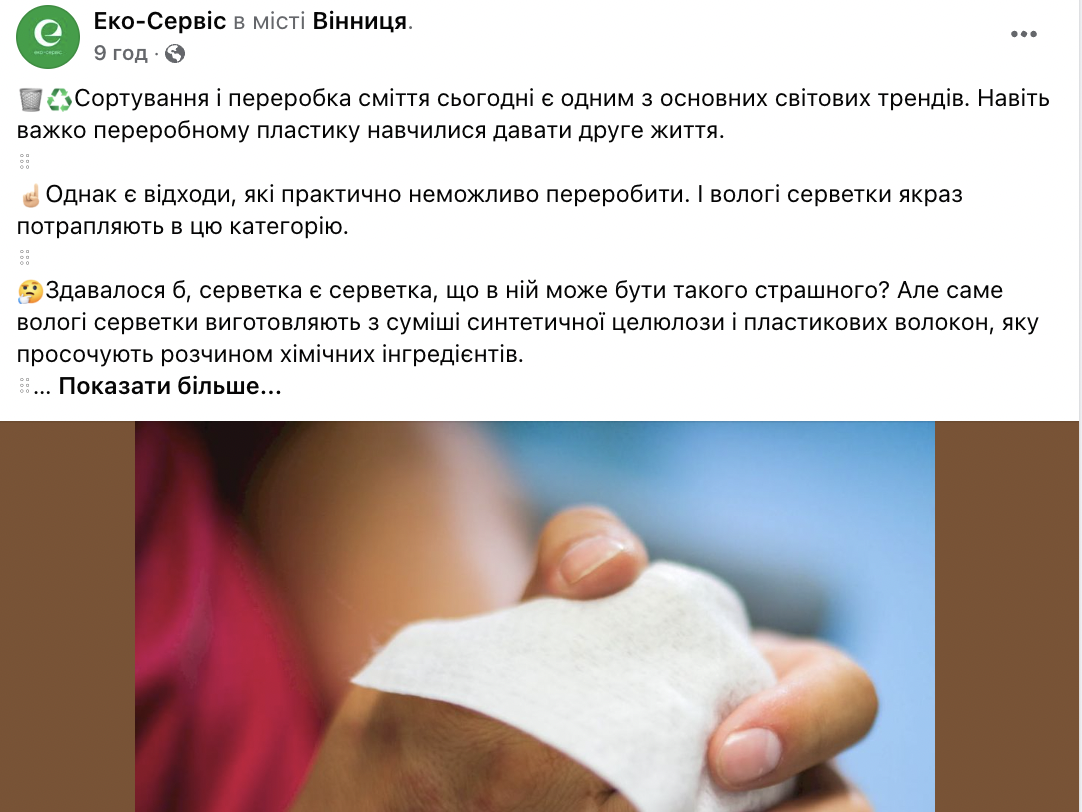
Wet wipes are non-degradable and non-compostable, making them very difficult to recycle.
Scientists also argue that they do not contribute to disinfection, are not able to completely clean the surface of the skin and, if used improperly, contribute to a significant spread of bacteria, Eco-Service reports on Facebook.
“Even hard-to-recycle plastic has been given a second life. However, there are wastes that are almost impossible to recycle. And wet wipes fall into this category,” the message noted.
They are sent to general containers for non-recyclable waste, even in countries with a developed system of separate waste collection.
Wet wipes are made from a mixture of synthetic cellulose and plastic fibers that is impregnated with a solution of chemical ingredients.
“As a result, they end up in a landfill, dry out, become light and scatter around the world with the wind, just like plastic bags. You should think twice before exacerbating an already existing problem,” the material noted.
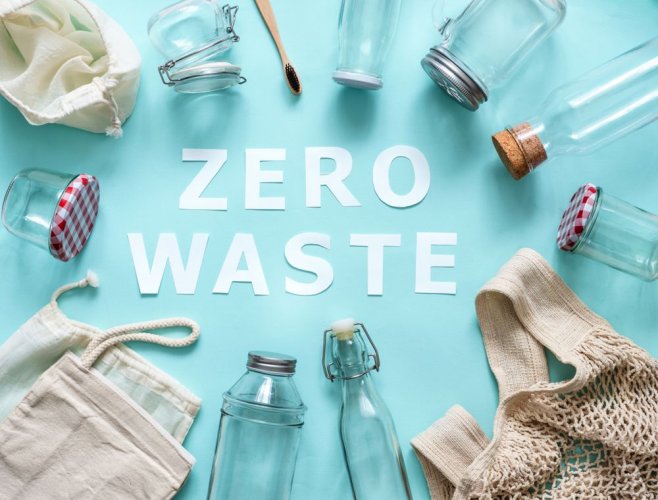
To give up wet wipes, eco-activists suggest washing hands with soap, using an environmental disinfectant and a reusable cloth handkerchief.
Recall all Ukrainians were called do not use plastic for month.
As EcoPolitic reported earlier, there is thing made of plastic from which anyone can easily refuse.