Naftogaz began to develop a decarbonization strategy

Naftogaz began to develop a decarbonization strategy
Katerina Belousova

The future of gas exports to the EU directly depends on compliance with environmental standards and requirements

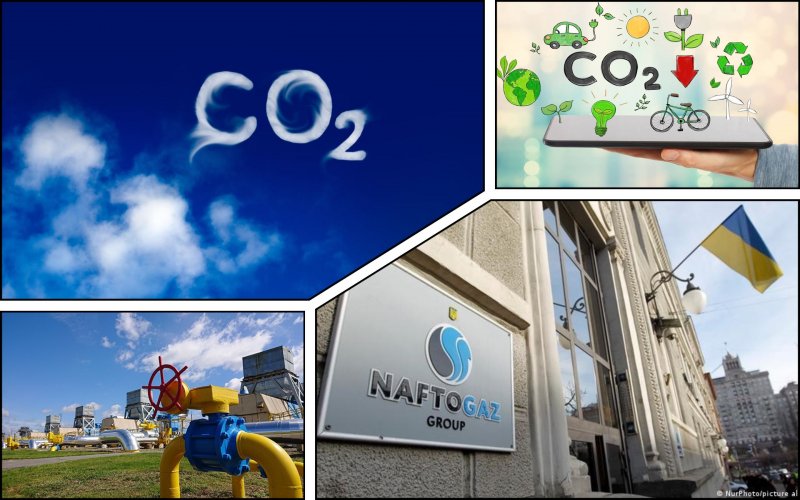
Oleksiy Chernyshov, CEO of Naftogaz of Ukraine, said that the company has begun to develop a decarbonization strategy.

This will create a specific action plan with an assessment of the current state, goals, financing options, and timelines for their implementation, Chernyshov wrote on his Facebook page.

" This is a conscious approach to the environment where we live, he emphasized. "This is not a declarative statement."

Chernyshov noted that The future of Ukrainian gas exports to the European Union directly depends on compliance with clear environmental standards and requirements. In particular, a responsible approach to its extraction, storage and transportation.

He added that all divisions and subsidiaries of Naftogaz Group will work on the development of the decarbonization strategy.

Earlier, EcoPolitic wrote, that in November, head of Naftogaz of Ukraine Oleksiy Chernyshov stated that the company decided to invest in the construction of two wind and one solar power plants.

As EcoPolitic previously reported, The European Union and 35 countries officially opened the Climate Club – an inclusive platform to support effective decarbonization of industry. At the COP28 climate conference, Ukraine joined the Climate Club.
Related
Almost half a billion: the Decarbonisation Fund’s summer performance review

The fund has also received funding from UNIDO for industrial decarbonisation. It is not known exactly which projects the funds will be spent on

The business community has called for further refinement of the draft legislation on the Ukrainian quota market

According to the business community, a separate fund should be established to manage the revenues from the NETS, and the priority for the use of these funds should be the decarbonisation of industry

The clean-up of Lake Kyrylivske is continuing: the levels of petroleum products in the water have fallen significantly

Experts are continuing to remove contaminated vegetation from the riverbanks

The Decarbonisation Fund has already allocated 2.2 billion hryvnia to low-carbon projects

Their combined climate impact is an annual reduction in CO₂ emissions of 47,000 tonnes