Environmental damage caused by Russian shelling calculated in Zhytomyr region

Environmental damage caused by Russian shelling calculated in Zhytomyr region shutterstock

Elizaveta Volkotrub

The amount is still not final

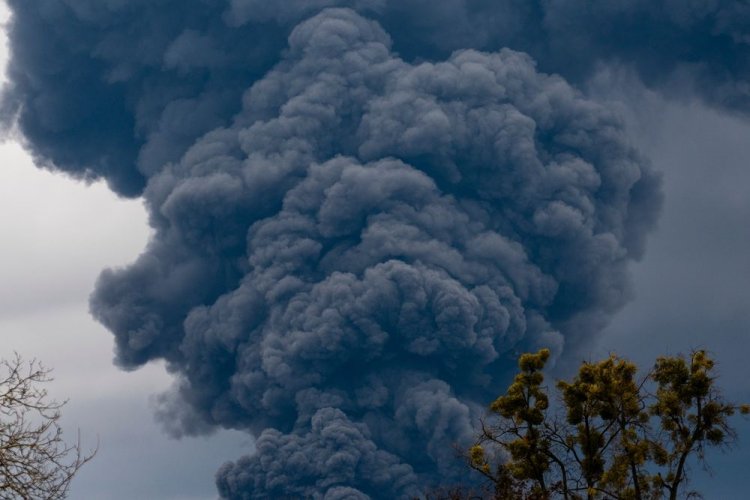
The Russian attack on an infrastructure facility in Zvyagel (Zhytomyr region) caused environmental damage worth more than UAH 48 million.

Minister of Environmental Protection and Natural Resources Ruslan Strilets said this on the We Are Ukraine TV channel.

"A fire broke out at the infrastructure facility of the Zvyagel community due to the hit of a Shahed, and it was quite large-scale. As a result, a large amount of pollutants was released into the air," the minister said.

He noted that if people were in the area of potential impact, their health would have suffered considerable damage.

"Our environmental inspection specialists went to the site, took the relevant samples and preliminarily calculated that the environmental damage caused by such a terrorist attack is more than UAH 48 million," said Strelets.

It became known that fuel and lubricants also got into the soil. Experts have already taken samples and are awaiting the results.

"As for air quality, it has stabilized. There are no sources that could release additional pollutants," the minister added.

As EcoPolitic previously reported, eco-inspectors calculated the damage from one of the numerous enemy shellings that took place at the end of last year in Kherson.

Related
Birds killed by explosions near a nature reserve in Odesa region: how war threatens birdlife

Birds' anatomy makes them extremely vulnerable to barotrauma – their blood vessels and hearts simply cannot withstand the pressure drop

Ukraine at COP31: discussion of the National ETS and opening of the Ukrainian pavilion

A draft law on the emissions trading system has been submitted to the European Commission for expert review. Which one remains unknown

Automotive giant Mercedes-Benz postpones reaching net-zero emissions by ten years

At the same time, the company will replace 10% of its aluminium needs with low-carbon metal

The EU Council wants to give oil and gas importers a one-year delay in reporting methane emissions

Methane is the second most destructive greenhouse gas, but energy risks are outweighing the Union’s environmental ambitions