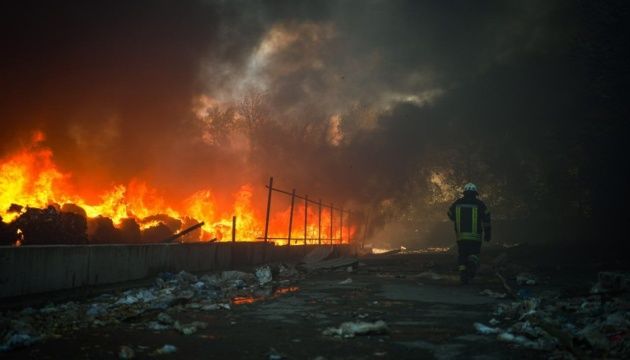
Since the beginning of the full-scale invasion, the environmental inspection of Sumy region has recorded more than 200 cases of environmental damage caused by Russian shelling worth almost UAH 3 billion.
This was reported by the State Ecological Inspectorate in Sumy region.
Experts calculated the damage, in particular:
- pollution of land resources – 836 million 720 thousand 551 hryvnias.
- atmospheric air pollution – 226 million 957 thousand 922 hryvnias.
- clogging/pollution of water resources – 1 billion 834 million 148 thousand 303 UAH.
- damage to forest resources – 5 million 447 thousand 156 UAH.
- damage on the territories of the nature reserve fund – 6 million 116 thousand 495 hryvnias.
In 2024, the largest number of losses relates to atmospheric air pollution: 52 cases were recorded for the amount of almost UAH 5 million.
Since the beginning of the full-scale invasion, 27.5 thousand tons of pollutants have entered the atmosphere due to fires caused by enemy shelling. As a result of the destruction of bridges, 8,386,000 tons of foreign objects, materials and waste got into water bodies.
The Inspectorate notes that the area of contaminated land as a result of the destruction is more than 230,000 m² and was recorded only in those cases when eco-inspectors had the opportunity to arrive at the scene and conduct appropriate measurements.
As EcoPolitic previously reported, the State Environmental Inspection of the South-Western District calculated the damage caused to the ecology of the region by Russian drone attack on energy infrastructure in Odesa region on March 22.