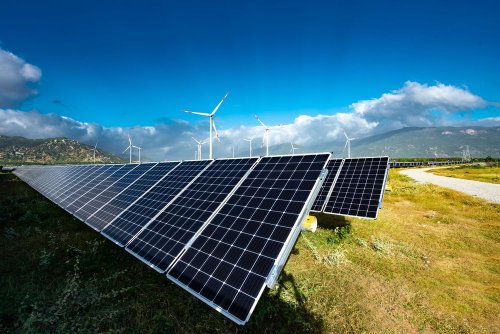
Mobile operator lifecell started a pilot project to power base stations with solar panels with a total area of 84 m2, producing up to 16 kW of energy.
The equipment was connected at one of the technological sites in the south of Ukraine, which provides communication for more than 2,000 people in four settlements, according to the press release of lifecell.
The project has been tested for several weeks in areas where access to power grids may be difficult.
"The primary task of the operator during the war is to ensure the uninterrupted provision of communication services to subscribers, therefore the use of alternative power sources will help to maintain the operation of the equipment, even if the power grid is damaged," the message said.
The press service said that the solar batteries generate a direct current of 48 V, which is supplied to the equipment of the base station. The number and power of solar panels are calculated in such a way as to ensure round-the-clock operation of the equipment, despite the seasonality and amount of sunlight.
SES can work at temperatures from -20 to +40 C and do not require special maintenance. They also charge the batteries, which are enough for 36 hours of battery life.
The press service noted that the testing will continue throughout the year so that the operator's specialists could evaluate the efficiency of the solar panels in different seasons and in different weather conditions.
"The idea of using solar energy to power base stations arose in lifecell even before the war, because this type of energy has a number of advantages - such as renewable and environmental friendliness, high manufacturability of processes with ease of operation, and cost savings in the long term," the press release states.
The message noted that the company planned to use alternative energy sources in areas where there are difficulties with connecting to the power grid. However, in times of war, when Russian forces are trying to destroy critical infrastructure, providing equipment with autonomous power has become critical.
Lifecell plans to scale up the use of solar panels for backup power to base stations if the pilot project is successful. It will become an ecological alternative to diesel generators at facilities where there are problems with traditional power supply.
Earlier, EcoPolitic wrote, that the first in Ukraine was opened in Ternopil the SmartFlower solar energy system, that looks like a sunflower flower that is capable of intelligently tracking the sun, producing up to 40% more energy.
As EcoPolitic previously reported, producers of solar electricity urged Ukrainians to install solar panels as soon as possible, because global investments in SES will only grow. They named 3 reasons why it is worth joining the development of solar generation.