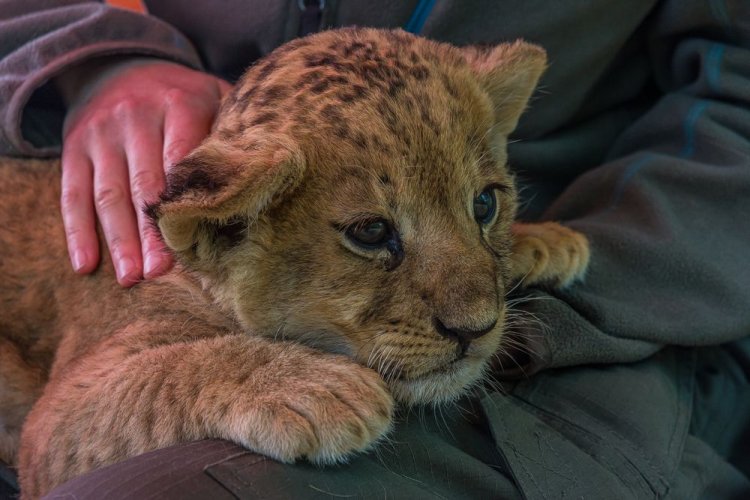
Animal rights activists called on Ukrainians to boycott petting zoos, because their residents suffer mental, and often physical, injuries from being kept in captivity in inappropriate conditions.
Such zoos are businesses that knowingly support the smuggling of wild animals, breed them for sale and exploit them for entertainment and profit, according to the public organization UAnimals on Facebook.
The authors emphasized that the advertisement presents a beautiful picture, but behind it there is an "ugly truth". Example:
- young lion cubs or other animals are taken away from their mother immediately after birth so that they get used to human hands;
- when small animals grow up and become dangerous, they are closed in tight cages for the rest of their lives;
- animals in petting zoos suffer mental injuries and die much earlier;
- the health of these animals is usually in a bad state, but if the animals get sick, people stop liking them, they are replaced by new ones that are easy to buy.
"The "Wild Animal Rescue Center" has repeatedly received animals from zoos and private property, which had to be rescued and treated," animal rights activists emphasized.
They also noted that sometimes petting zoos are also disguised as saving wild animals. However, later they start to be used as a thing.
"Such treatment of animals is inhumane behavior and real torture for animals," the authors emphasized.
As EcoPolitic reported earlier, the Committee on Environmental Policy and Nature Management recommended that the Verkhovna Rada adopt draft law No. 5409 on banning circuses with animals.