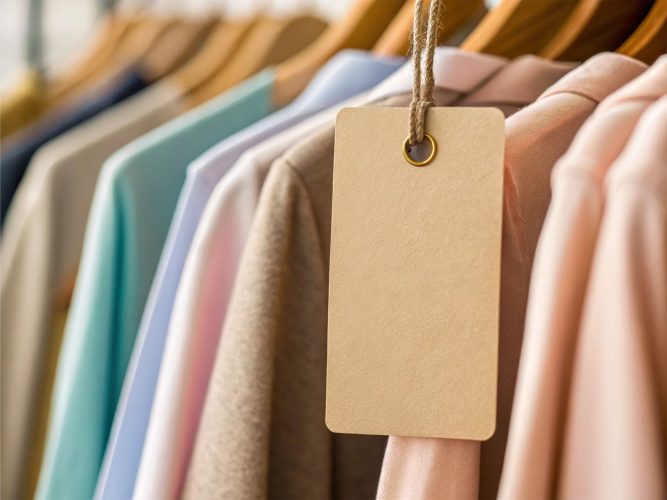
The European Union is set to put an end to the wasteful destruction of clothing, accessories and footwear that companies have been unable to sell in shops. The ban on this environmentally harmful practice for large businesses came into force on 19 July. For medium-sized companies, the rules will come into effect from 2030.
As the European Commission added, these restrictions are in line with the Ecodesign Regulation for Sustainable Products (ESPR).
Waste of resources
The production of any goods requires resources — water, energy and human labour. When products are simply destroyed, all these costs are wasted. At the same time, disposal also leads to greenhouse gas emissions.
The EU authorities therefore aim to use these legislative restrictions to encourage sustainable practices — such as reuse or repair.
Alternative options for companies
To prevent disposal, the European Commission is encouraging companies to explore all possible alternatives. These include:
- selling, including at discounts or on alternative markets;
- donating to charitable organizations or social institutions;
- reuse – repair, refurbishment, or recycling.
Exceptions for Destruction
The EU authorities leave a small window for disposing of unsold goods. This may apply in cases where products are dangerous, damaged, infringe intellectual property rights, or have been rejected as donations.
However, for this, companies must provide undeniable evidence, documents, and test results. All these measures are in place to prevent abuses and circumvention of the legislation.
Scale of the Problem
The ban on destroying unsold textile products is one of the first concrete measures within the ESPR. The reason is that current business models lead to the destruction of unsold goods, which has a negative impact on the environment.
According to data from the European Environment Agency, 4–9% of textiles from the EU market are destroyed in a new, unused state. Annually, this amounts to 264,000–594,000 t of waste generated solely due to business practices.
Impact on Luxury Brands
This ban may be felt most acutely by companies positioning themselves as luxury retailers. For them, product scarcity is part of a marketing strategy that reinforces consumer demand.
According to Financial Times, last year about 40% of luxury items were already sold at a discount, indicating a crisis in the sector. Thus, the new rules may force companies to adopt stricter measures – up to reducing production, in order not to release their goods to outlets.
Businesses do not want the development of a grey luxury market, which will inevitably result from transferring unsold collections to secondary markets or charitable organizations. At the same time, increasing the number of storage facilities for such goods or recycling them can lead to higher costs.
EcoPolitic reported that even edible food often ends up in the trash. We are talking about a staggering 20% of all food waste, or 200 million tonnes. In Ukraine alone, about 2.7 million tonnes of good food are thrown away into landfills each year.