China triples investment in solar energy to $4.3 billion

China triples investment in solar energy to $4.3 billion shutterstock
Olena Yatseno

This figure is 204% higher than the same period last year

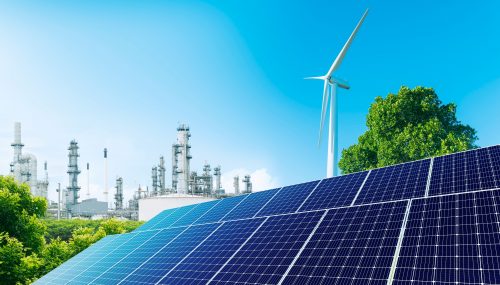
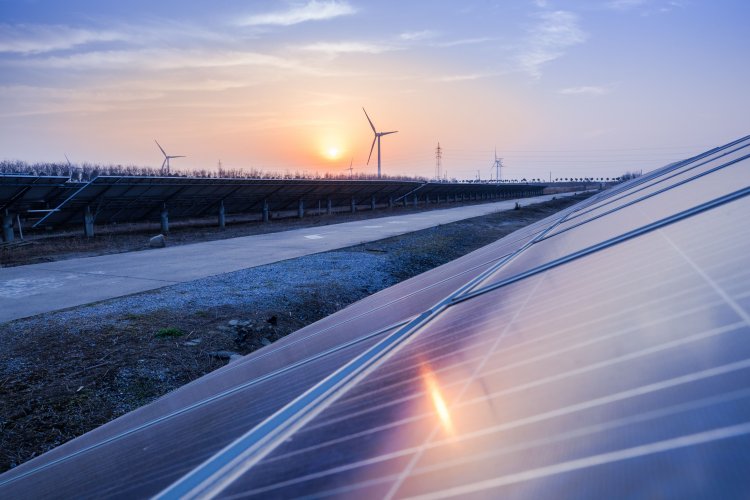
In the first quarter of 2022, the People's Republic of China (PRC) tripled its investment in solar generation, to $4.3 billion.

Thanks to increased investment in the industry, China has been able to set a record number of new clean energy production capacities, informs Bloomberg.

For the four months of 2022 (January-April), investments in green energy in China amount to 29 billion yuan (about $4.3 billion).

This figure is 204% higher than in January-April 2021.

In total, in the first 11 months of 2021, China has invested 51.3 billion yuan in solar energy.

By 2030, China intends to build a large and flexible network to reduce carbon emissions. China aims to become fully carbon neutral by 2060.

So far, China is actively using coal, and the country intends to use it for the transition to green energy.

As reported EcoPolitics earlier, in China launched rooftop solar power plant with a capacity of 120 MW. Inverter manufacturer Sungrow said it was the largest rooftop solar plant in the world.
Related
Switching from gas to solar power: how Chortkiv is becoming an energy-neutral town

The city already has one of the most advanced municipal SES networks

A fifth Ukrainian biomethane producer has now started exporting to Europe

The company plans to export around 200,000 cubic metres of gas in September

The EU aims to triple green energy by 2030 – von der Leyen

Due to the war in the Middle East, EU countries have already overpaid €90 billion for fossil fuels

Germany plans to phase out oil and gas completely by 2045

The government considers 19 years to be a perfectly realistic timeframe for restructuring the country’s energy balance