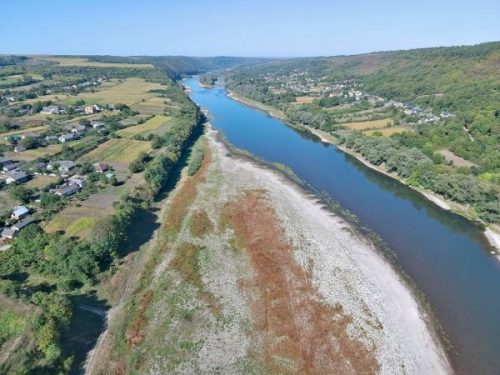
A large-scale cleanup was carried out on the Verkhe River in the Berehove community of Transcarpathia. Three kilometers of its bed were cleared of debris and silt, which improved water flow, water quality, and oxygen access for river inhabitants.
These are just the first steps in the restoration of the Verke, implemented by WWF-Ukraine within the framework of the Living Danube Partnership with the participation of the Berehove Interdistrict Water Management Administration, the Tisa River Basin Water Resources Administration, and the communities of the village of Borzhava and the city of Berehove.
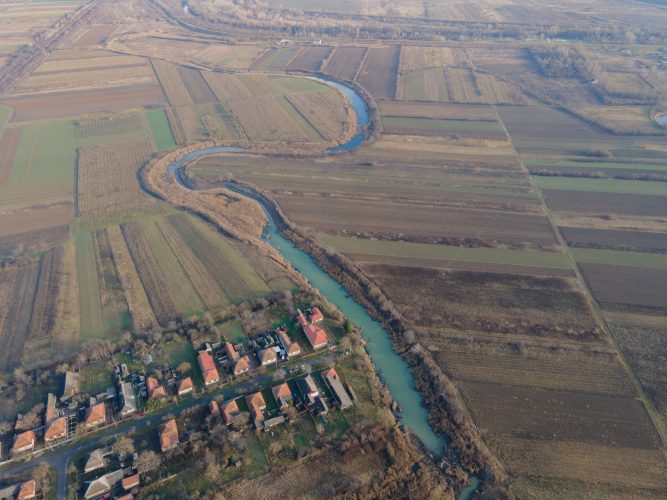
Silted up and regulated, the Verke River was gradually losing its dynamic characteristics. The flow slowed down, and with it, the condition of the water deteriorated, the environment became unsuitable for river inhabitants, and the risk of flooding of coastal villages increased.
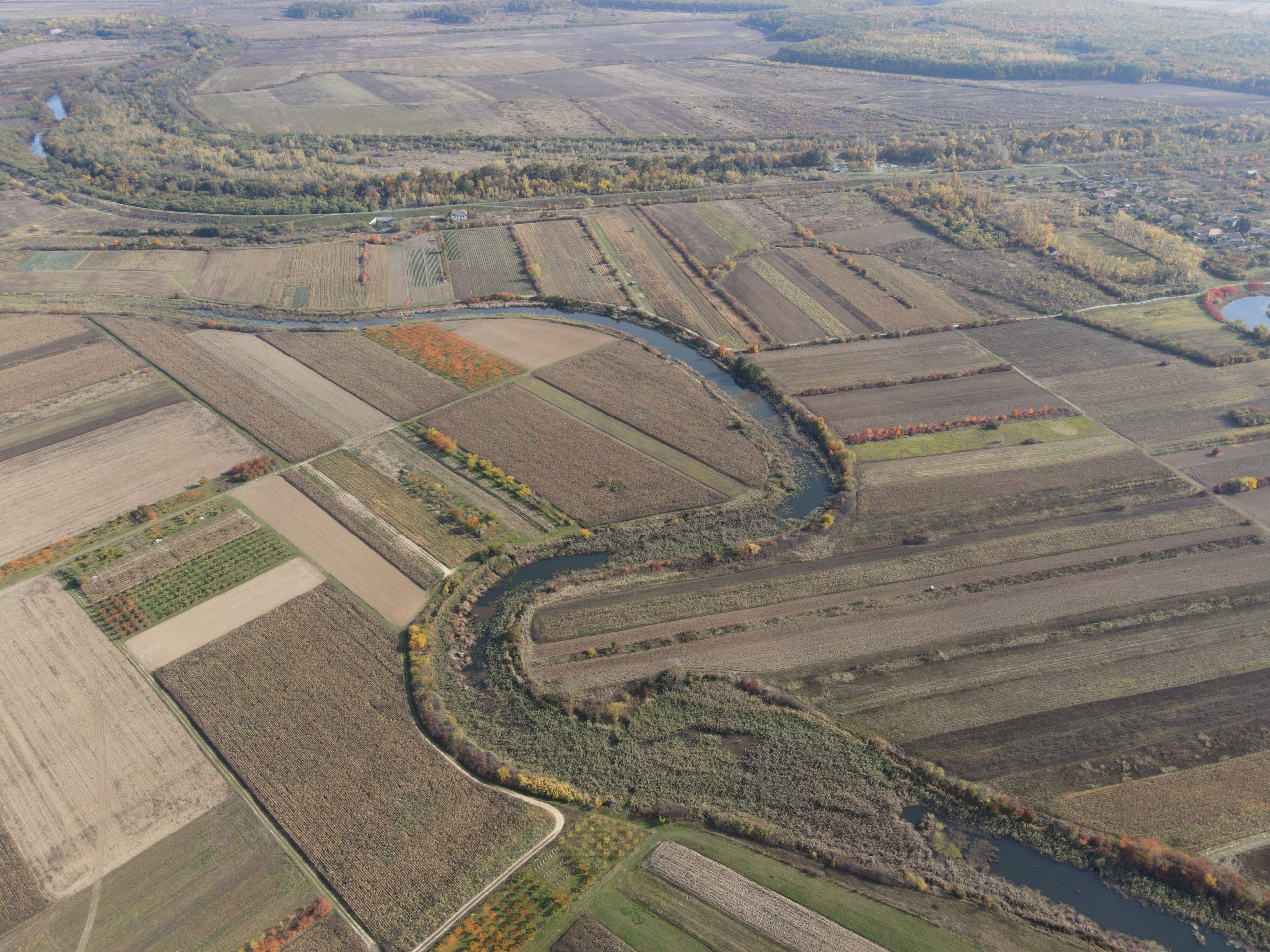
The Verke River before cleanup. Source: wwf.ua
In order to give the water body a second life, WWF-Ukraine conducted a detailed analysis of the river's ecological condition. Based on this analysis, they developed a catalog that combined seven nature-based solutions (NbS). Their effect is to restore the natural functions of the Verkhe River, and with them, improve the water balance and conditions for biodiversity recovery.
The history of cleaning
At the end of 2025, work was carried out to clean a 3 km stretch of the riverbed. Silt, waste, including fallen tree debris, was removed, and excess vegetation, such as cattails and reeds, was cleared.
The cleanup was guided by the principle of "minimal intervention," meaning that only the most problematic areas that could not be cleaned without human assistance were addressed. This allows the self-regulating processes of the water body to continue uninterrupted, balancing them with technical, anthropogenic restoration. WWF-Ukraine considers this approach to be the most nature-oriented.
"For the pilot implementation on the Verk River, one of the proposed solutions was chosen as a priority – clearing and restoring the flow of individual sections of the river, as the least intrusive, quickest to implement, and at the same time environmentally safe option," said Oksana Konovalenko, head of the Water Department at WWF-Ukraine and candidate of geographical sciences.
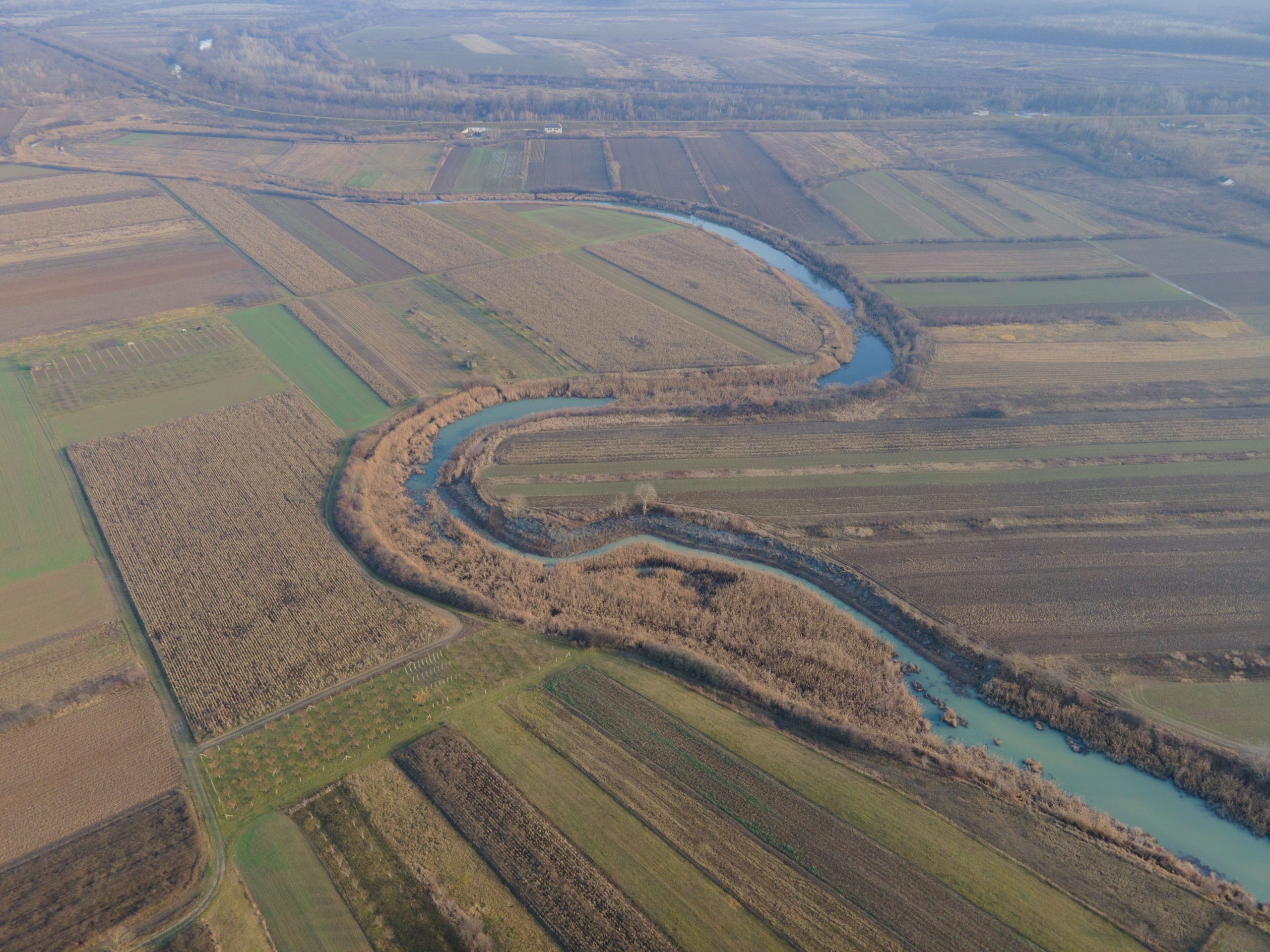
The Verke River after cleanup. Source: wwf.ua
What will happen next?
Clearing the riverbed will allow water to flow unimpeded to the lock area. Its equipment is not yet operational, but WWF-Ukraine notes that the Vinogradiv Water Management Department plans to repair it. This will enable people to distribute water efficiently throughout the system and manage the flow without risk.
WWF-Ukraine has announced that it will conduct hydrological observations throughout the year to ensure post-monitoring of the Verkhe River.
"The proposed measures not only restore the natural water cycle, but also demonstrate a sustainable, environmentally sound approach to the management of drainage and reclamation systems in the transboundary basin of the Tisa River and other similar systems in other river basins," WWF-Ukraine explains.
EcoPolitics previously reported on how environmentalists and the local community have been working towards establishing a hydrological reserve in the Rivne region. The city council has already agreed to protect more than 100 hectares of river floodplains.