An interim analysis by the European Environment Agency has provided a disappointing assessment of progress toward achieving most of the EU's environmental goals.
The report contains skeptical forecasts for achieving these goals in the future, according to the Resource and Analysis Center "Society and Environment" on Facebook.
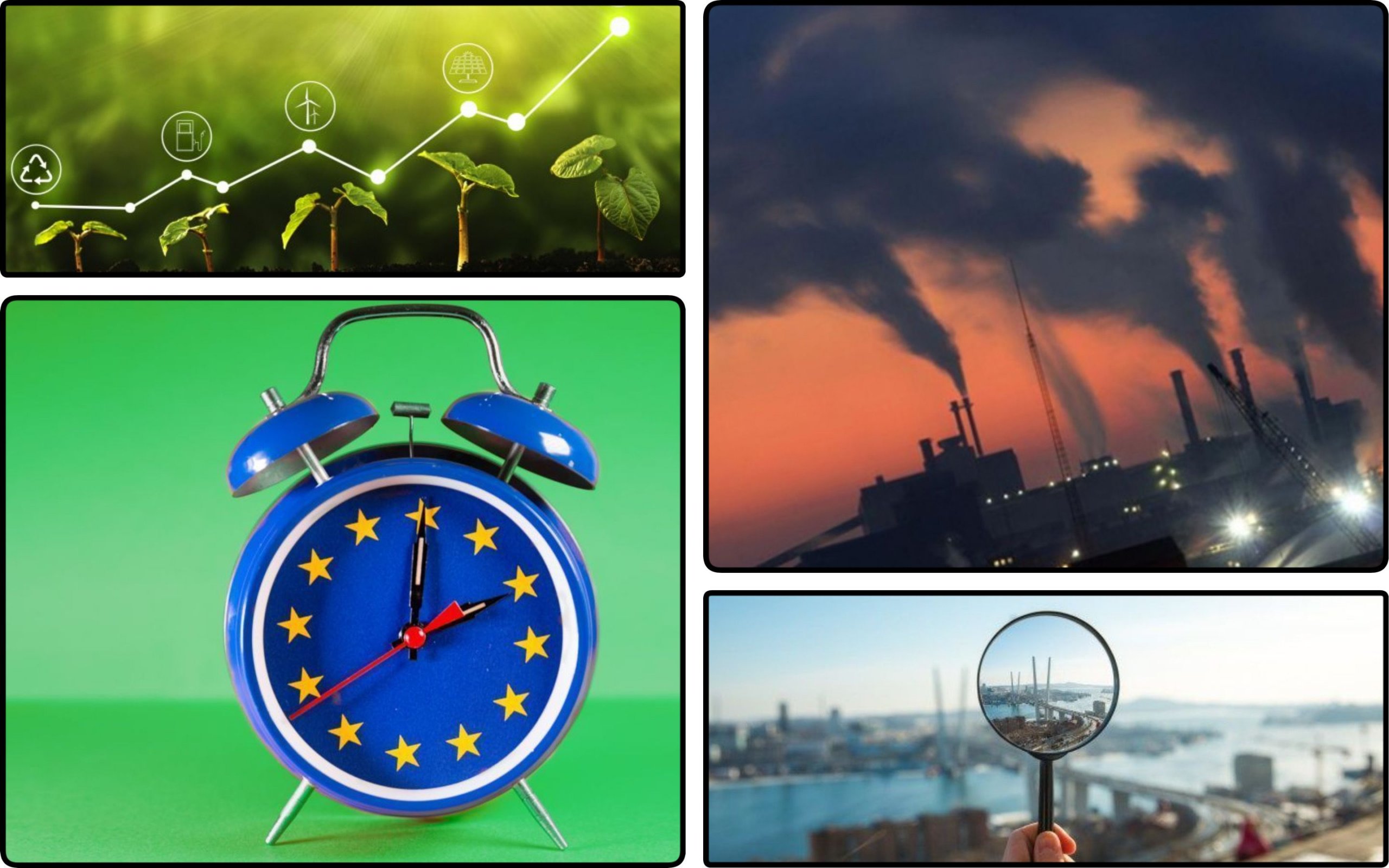
It is noted that the Agency prepared the report as part of the monitoring of the implementation of the 8th EU Environmental Action Program, which will run from May 2022 to 2030. It has six thematic priorities:
- Achieving climate neutrality of the EU;
- Strengthening adaptation to climate change;
- Transition to renewable green growth (so-called decoupling), including circular economy;
- Implementation of the ambitious goal of zero pollution;
- Protection and preservation of biodiversity;
- Reducing the ecological footprint of production and consumption (energy, industry, buildings, transport, etc.).
The message said that the weakest progress was observed in achieving the goals of increasing:
- absorption of greenhouse gases by carbon sinks;
- energy consumption;
- reuse of materials;
- of organic agriculture and consumption in general (ecological footprint of consumption).
The report named among the best results of progress:
- development of the green products sector;
- eco-innovations;
- expenses for environmental purposes;
- prevention of premature mortality from air pollution.
The message added that the EU environmental action program is the main long-term tool for holistic planning of the bloc's environmental actions since 1973.
Earlier, EcoPolitic wrote, that the International Energy Agency has warned that the commitments made at the COP28 climate conference are not enough to limit global warming to 1.5°C, even if they are fulfilled.
As EcoPolitic previously reported, the EU will allocate an additional €2.17 billion from the revenues from the greenhouse gas emissions trading system (EU ETS) for modernization of the energy systems of 9 member states.