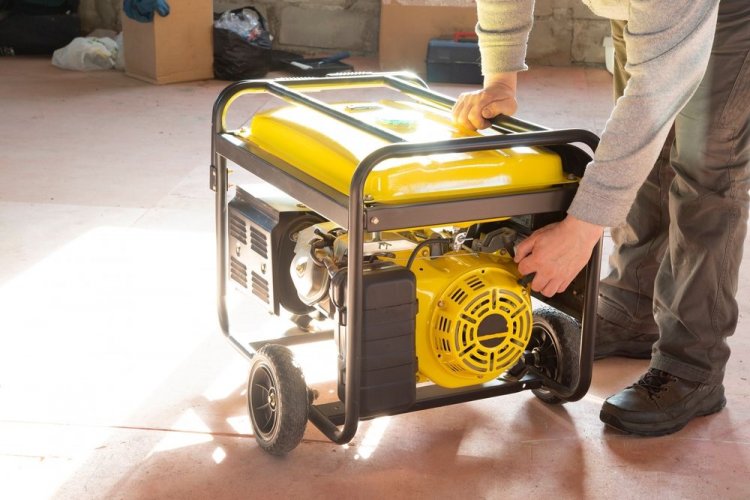
Ukrainians are increasingly seeking to stockpile fuel for generators and their own vehicles. This desire is understandable, as Russian attacks on infrastructure have further exacerbated energy instability. However, fuel is not only a raw material for energy production, but also, under certain conditions, a dangerous pollutant and a threat to health.
To minimize the risks, it is worth following a few rules, as outlined by the State Environmental Inspection.
Improper household storage of fuel poses several threats: toxic fumes with an unpleasant odor, leaks that contaminate soil and water, and fire hazards.
What to store it in?
The main safety factor is choosing the right container. These should be metal canisters or special plastic containers designed for fuel.
Other containers cannot ensure reliable storage. Even those that may appear to be sturdy are at risk of deformation, vapor leakage, or static electricity buildup.
Where to store it?
The ideal place to store fuel is a separate, well-ventilated area, away from sources of fire and places where electrical appliances and generators are used.
Fuel should be kept away from heat and sunlight, without being isolated in an unventilated space.
It is strongly recommended not to store these substances in the house, regardless of where—in an apartment, on a balcony, in an entrance hall, or even in a basement.
How long should it be stored?
Over time, fuel loses its properties, so it may fail at the most critical moment. For gasoline, this is a few months, for diesel, a little longer. The DEI advises not only to review your supplies, but also not to keep excess fuel.
As for the quantity, there are certain standards for storage without a license. If you use fuel for your own needs, ensuring all the necessary safety requirements, then we are talking about a volume of up to 2,000 liters.
Earlier, EcoPolitics told how to use a generator so that it does not harm people and the environment.