With constant temperature fluctuations, black ice remains a traumatic feature of Ukrainian winters. Municipal services and city residents themselves combat this by sprinkling courtyards, sidewalks, and roads. However, not all mixtures that provide better traction for soles and tires are safe for nature.
Dangerous salt
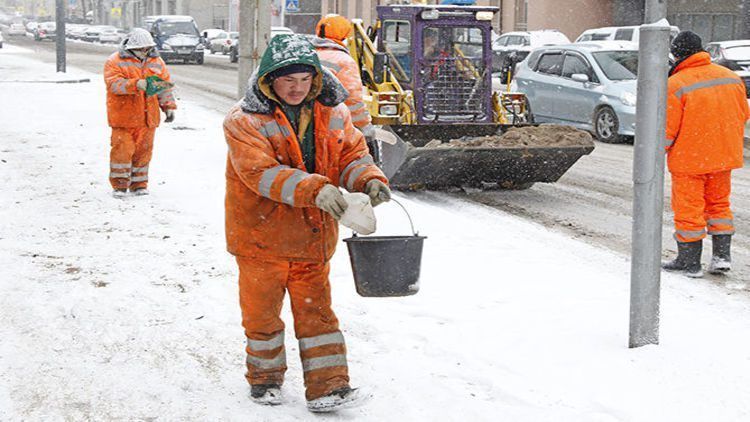
Municipal services often use sand-salt mixtures for gritting, and residents themselves sometimes sprinkle salt on the paths if the municipal services have not managed to cope with the task.
However, excessive sodium chloride content in mixtures poses a threat to the environment, according to the State Environmental Inspection. Among the consequences of heavy salting of roads are:
- soil salinization, which destroys soil structure and reduces water permeability, ultimately lowering soil fertility;
- damage to plants, as salt negatively affects root systems, so trees, shrubs, and grasses may grow more slowly or even dry out completely;
- contamination of groundwater and surface water by altering their chemical composition;
- harm to animals – salt causes dryness, cracks, and irritation on the paw pads of dogs and cats;
- faster wear of car tires, footwear, and even the surfaces of roads and sidewalks.
Often, trees along roads take a long time to leaf out, and lawns appear wilted and yellow. Sometimes this is attributed to the effects of cold temperatures, but in reality, these are the consequences of soil salinization.
Is there an alternative?
If it is difficult to abandon sand-salt mixtures entirely, at least the harmful component’s content can be reduced. There are also more environmentally friendly alternatives that are just as effective at allowing safe movement on icy surfaces:
- crushed stone chips, screenings, or even just sand with no salt at all;
- organic “spreading materials” made from biodegradable organics. For example, coffee grounds, as is sometimes done in Lviv.
- mechanical cleaning. Whenever possible, it is better not to rely on mixtures at all, but simply to clear the snow before it melts and turns the surface into a hazardous icy rink.
Previously, EcoPolitic explained how to safely feed birds in winter.