Recycling is a fairly simple eco-friendly habit that anyone can adopt. The key is to find your own motivation and organize the process in a way that works for you.
EcoPolitic has compiled a few basic tips on how to care for the environment simply by separating plastic and batteries.
Why do this?
In any endeavor, motivation is key. With waste sorting, this is more challenging because people don’t see a concrete benefit from their actions right here and now. On the contrary, some may see it as nothing more than extra work, inconvenience, and a waste of time. However, to understand just how important this is, you need to grasp the full scale of the problem.
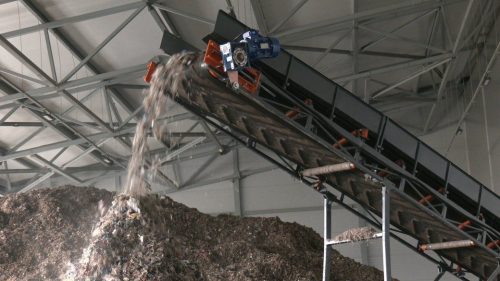
Ukrainians “generate” about 10 million tons of household waste every year. Most of it ends up in landfills, as our waste sorting sector is underdeveloped and quite fragmented. Landfills are overflowing, and waste is contaminating water, soil, and air, so sometimes landfills become veritable disaster zones.
Even if we do not see those dozens of hectares of landfill space, they affect our health. To better understand this, you can read about the comprehensive environmental measures planned for the Hrybovychi landfill in Lviv region even after its closure. Another telling example is the situation at the Makukhivka landfill near Poltava, where people in the neighboring village cannot even use their gardens due to contamination.
Sorting reduces pressure on landfills and gives waste a second life. While the contribution of a single family may seem insignificant, what if millions of people do the same?
How should you sort your waste?
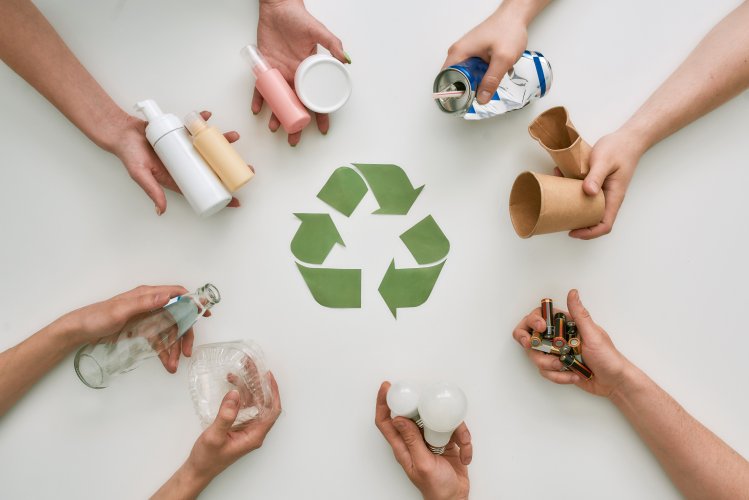
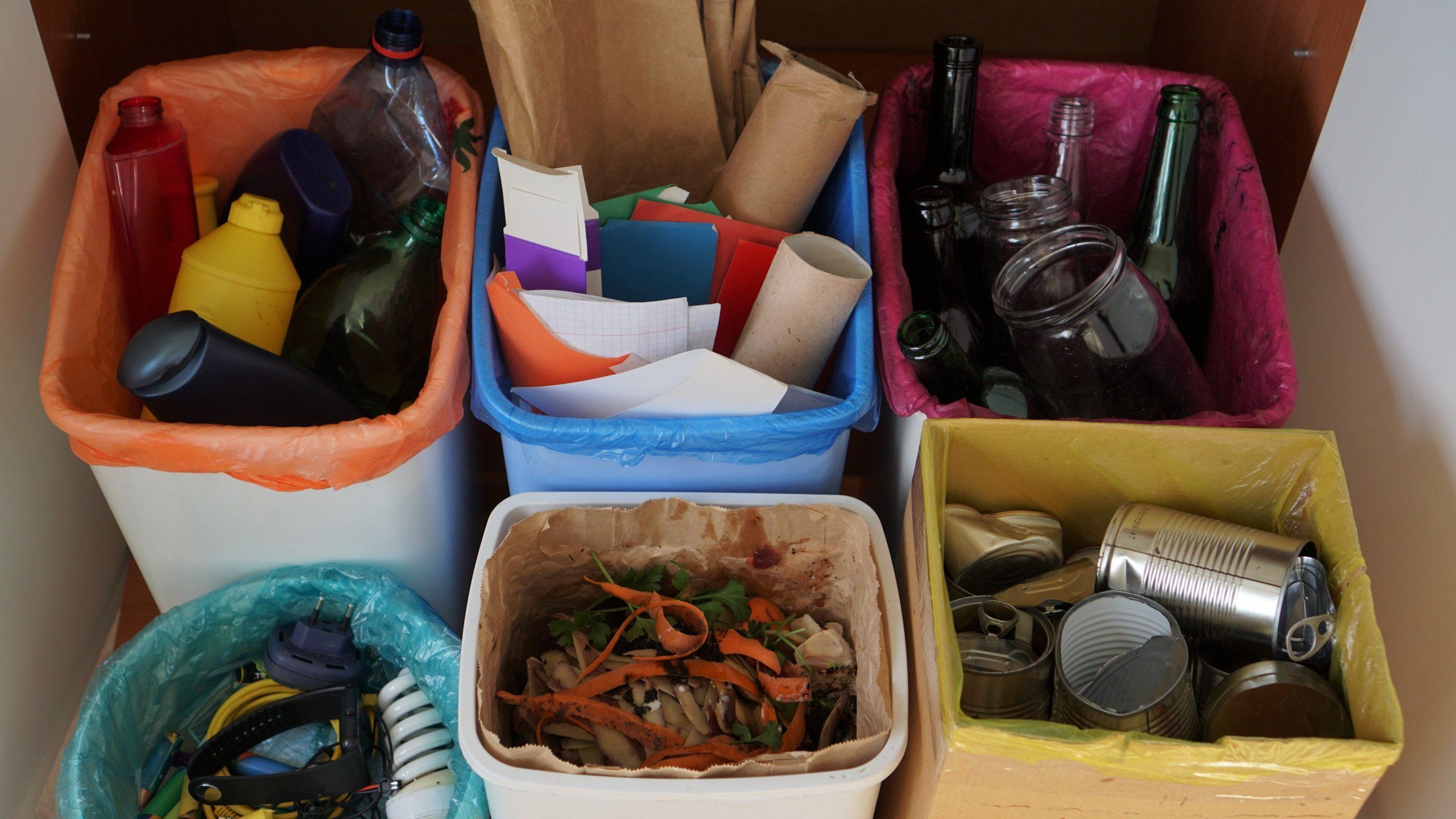
Not all waste belongs in the garbage bin. Some household waste can be reused, while others must be disposed of specially due to their hazards for the environment and human health. Therefore, we will highlight several main groups for sorting:
- Plastic: this includes bottles, food containers, and packaging;
- Cardboard and paper: this category includes boxes, cardboard packaging, magazines, and newspapers;
- Glass: self-explanatory – bottles, jars, and other glass products;
- Metal: this refers to aluminum drink cans.
- Hazardous waste: batteries, accumulators, mercury lamps – these items are extremely toxic when introduced into the environment;
- Organics: this covers peels and food scraps.
EcoPolitic suggests starting small rather than trying to sort everything at once. Start by separating one type of waste – for instance, plastic or paper. This makes it easier to develop the habit, and then you can gradually add more categories.
How to organize household sorting
Many are discouraged from separate waste collection due to the perceived messiness of the process and uncertainty about where to store all this waste until it can be disposed of.
The first issue is solved in a very simple way: bottles, jars, food packaging, and other containers need to be washed before storing them.
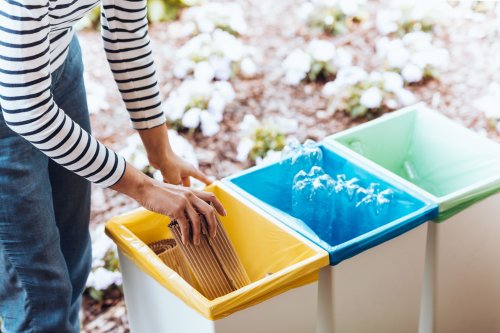
The second concern depends on your imagination and budget. It's a good idea to allocate a separate corner in your apartment where you can place different containers for each type of waste.
These can be simple cardboard boxes, small plastic bins, or even vertical sorting systems. The latter take up minimal space and can even look stylish.
Where can collected waste be delivered?
There is still no unified waste separation system in Ukraine, so each city organizes this process in its own way for different types of waste. In some cities, there are designated container sites with separate bins. Elsewhere, collection points are organized by businesses or community initiatives. In other cities, there is a network of private or municipal secondary raw material collection points.
Here are a few examples:
- In Kropyvnytskyi, the number of container sites with separate bins is gradually increasing;
- In Lviv, Khmelnytskyi, and Poltava, hazardous waste is collected by an 'eco-bus'. Previously, EcoPolitic covered its March stop schedule;
- Across several networks including Silpo, Epicentr, JYSK, Novus, Comfy, and WOG, there are special boxes for used batteries.
We advise you to research the situation in your city and stay updated on new and short-term initiatives. For example, in Kyiv during the New Year period, a network of drop-off locations was organized for Christmas trees and pines, and they also accepted old electronics for recycling.
At first, waste sorting may seem unusual and meet with resistance like “we’ve always done it this way” or “if someone recycles, let them sort it themselves.” However, every battery that doesn't contaminate the soil, every stack of old newspapers that gets recycled into packaging is a personal contribution to environmental protection. Big changes are made up of small actions.
EcoPolitic previously reported in more detail about the waste problem.