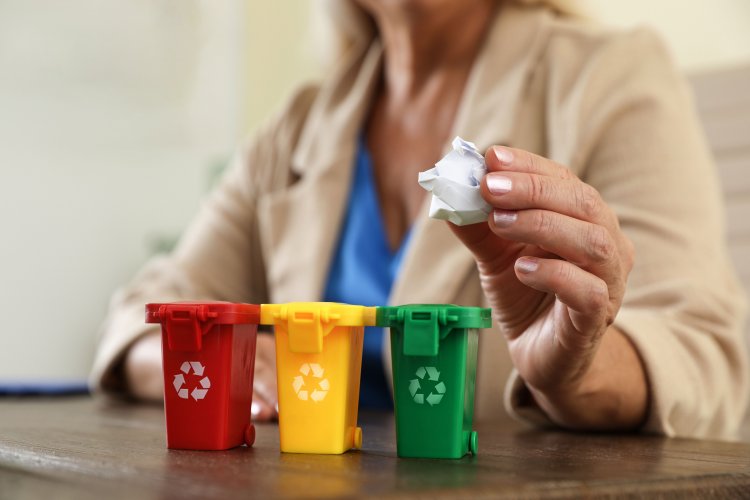
Сorting waste with subsequent recycling often becomes an unprofitable story for Ukrainian communities. For instance, the waste sorting line in Koziatyn enabled the city to sell waste worth 660,000 UAH during 2025. However, over the same period, the city allocated 2.2 million UAH to ensure the facility's operation.
Why does this happen, and how can the situation be remedied? This was reported by RIA Koziatyn, referencing statements by city council deputies during a council session.
Expenses exceed income
The waste sorting line in Koziatyn was launched about seven years ago. The project cost 14 million UAH, with approximately 50% funded from the Koziatyn municipal budget.
Sorting allows separation of waste suitable for secondary processing-plastic, aluminum cans, cardboard, bottles.
However, during all of 2025, only 56.7 t of recyclable materials were sorted here, including PET bottles, polyethylene, cans, and caps. This enabled earnings of 660,000 UAH.
This amount is many times less than what is needed to maintain the sorting line. According to Oleksandr Hrinchenko, the director of the municipal enterprise "Chyste Mistо," ten people work here-a supervisor, a fitter, a press operator, and sorters. On top of salaries, additional funds are required to support the facility's operations.
"Funds from the budget are allocated only for salaries. All other expenses, such as utilities, maintenance of the line, repairs, and other works, fall on the shoulders of the municipal enterprise," said Oleksandr Hrinchenko.
Not enough waste
The key problem affecting the profitability of the sorting line is the shortage of secondary raw materials for recycling. The proposed solution is to step up work with the population.
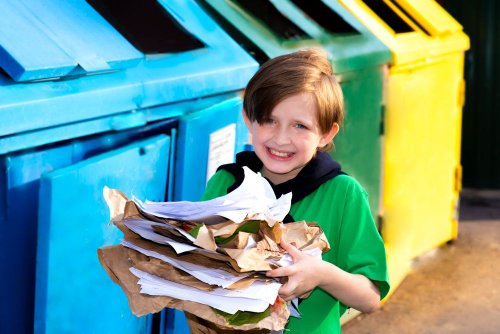
In particular, children are taught waste sorting as early as kindergarten. Additionally, special bins have been purchased for schools so that children can learn to separate waste by categories and treat their environmental impact more responsibly.
EcoPolitic previously reported how one of Vinnytsia's homeowners’ associations earns money from waste sorting in order to fund the improvement of their courtyard.
In the Valky community of Kharkiv region, a plastic pressing machine allowed them to reduce waste volume by 10%, thereby saving the community 30,000 UAH per month just on waste removal.