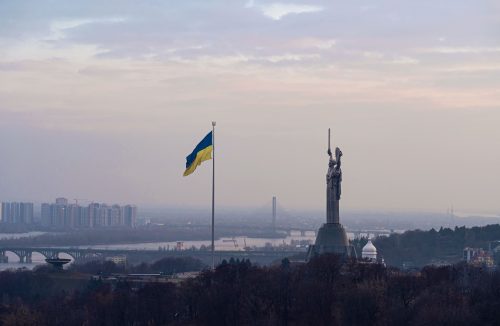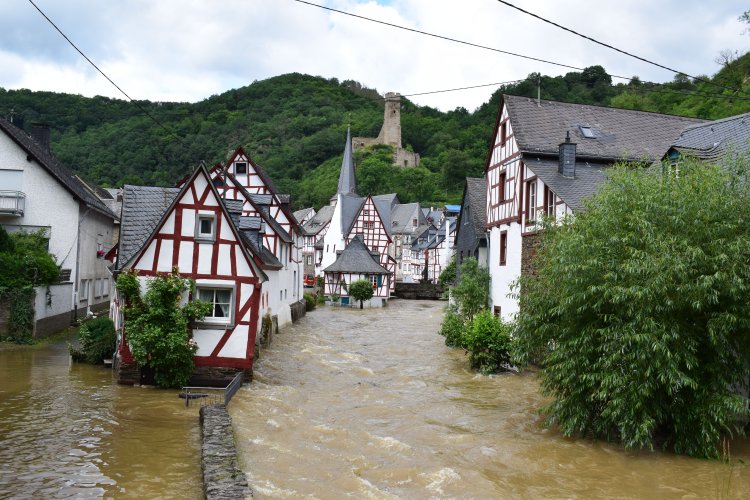
The year 2024 was the hottest year on record in Europe and also brought the most widespread flooding since 2013.
These data were published in the annual report “European State of the Climate 2024” (ESOTC 2024) by the European Copernicus Climate Change Service (C3S) together with the World Meteorological Organization (WMO).
Here are the main theses of this study.
1. Europe continues to be the fastest warming continent and is severely affected by extreme weather and climate change.
“Every additional fraction of a degree of temperature rise matters because it increases the risks to our lives, economies and planet. Adaptation is vital,” said WMO Secretary-General Celeste Saulo.
2. The year saw a stark contrast in climate conditions from east to west, with extremely dry and often record warm conditions in the east and warm but wet conditions in the west.
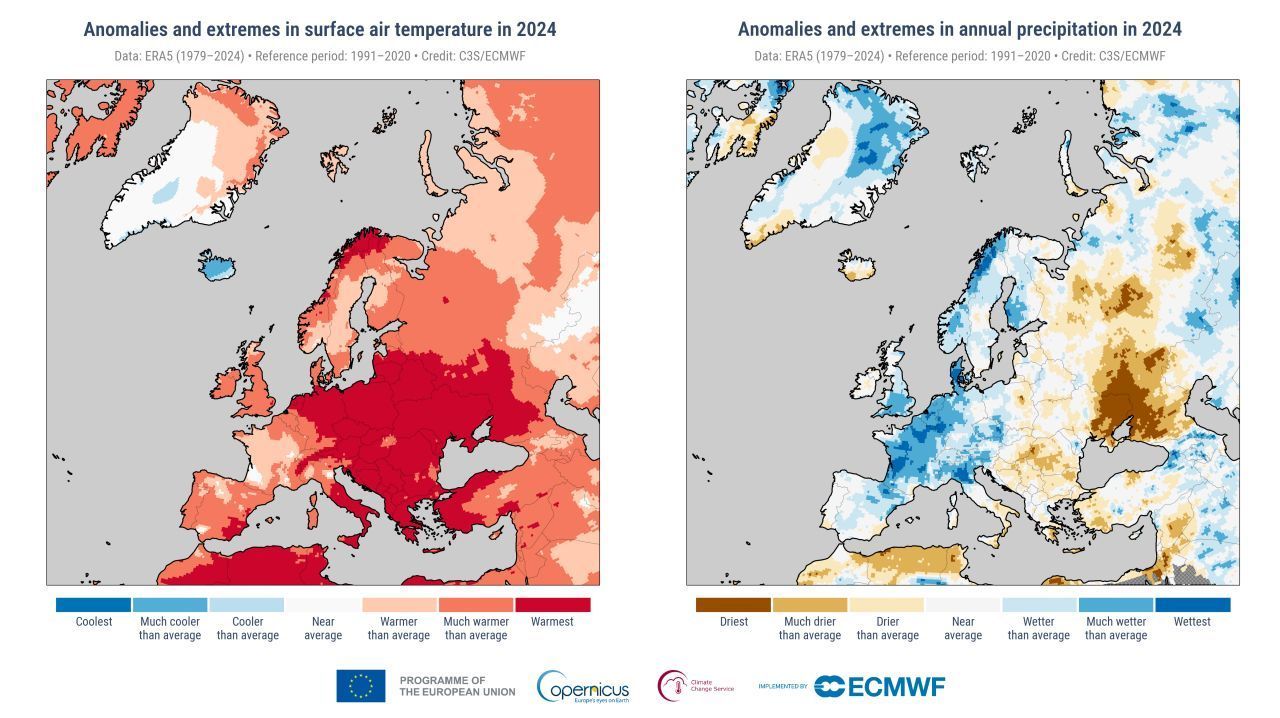
Anomalies and extremes of annual surface air temperature (left) and precipitation in 2024 (right). Data: ERA5. Source: climate.copernicus.eu.
3. Last year was the warmest year on record for Europe, with record high annual temperatures across almost half the continent.
4. Europe experienced the most extensive flooding since 2013. Almost a third of the river network experienced floods that exceeded at least the “high” flood threshold. The storms and floods affected approximately 413,000 people in Europe, with at least 335 people killed.
5. Heat stress continues to grow on the continent. The number of days with “severe”, “very severe” and “extreme” heat stress was the second highest on record. 60% of Europe experienced more days than average with at least “severe heat stress”.
6. In 2024, the share of electricity production from renewable sources in Europe reached a record level of 45%.

Percentage of total actual annual electricity production in Europe from solar (yellow), wind (purple) and hydropower (blue) for 2016-2024. Data: ENTSO-E and Elexon. Source: climate.copernicus.eu.
7. The area of the European territory with less than three months (90 days) of frosty days was the largest in the history of observations. It amounted to approximately 69%, while the average is 50%.
8. Ice loss was observed in all European regions. Glaciers in Scandinavia and Svalbard experienced the largest mass loss in the history of observations.
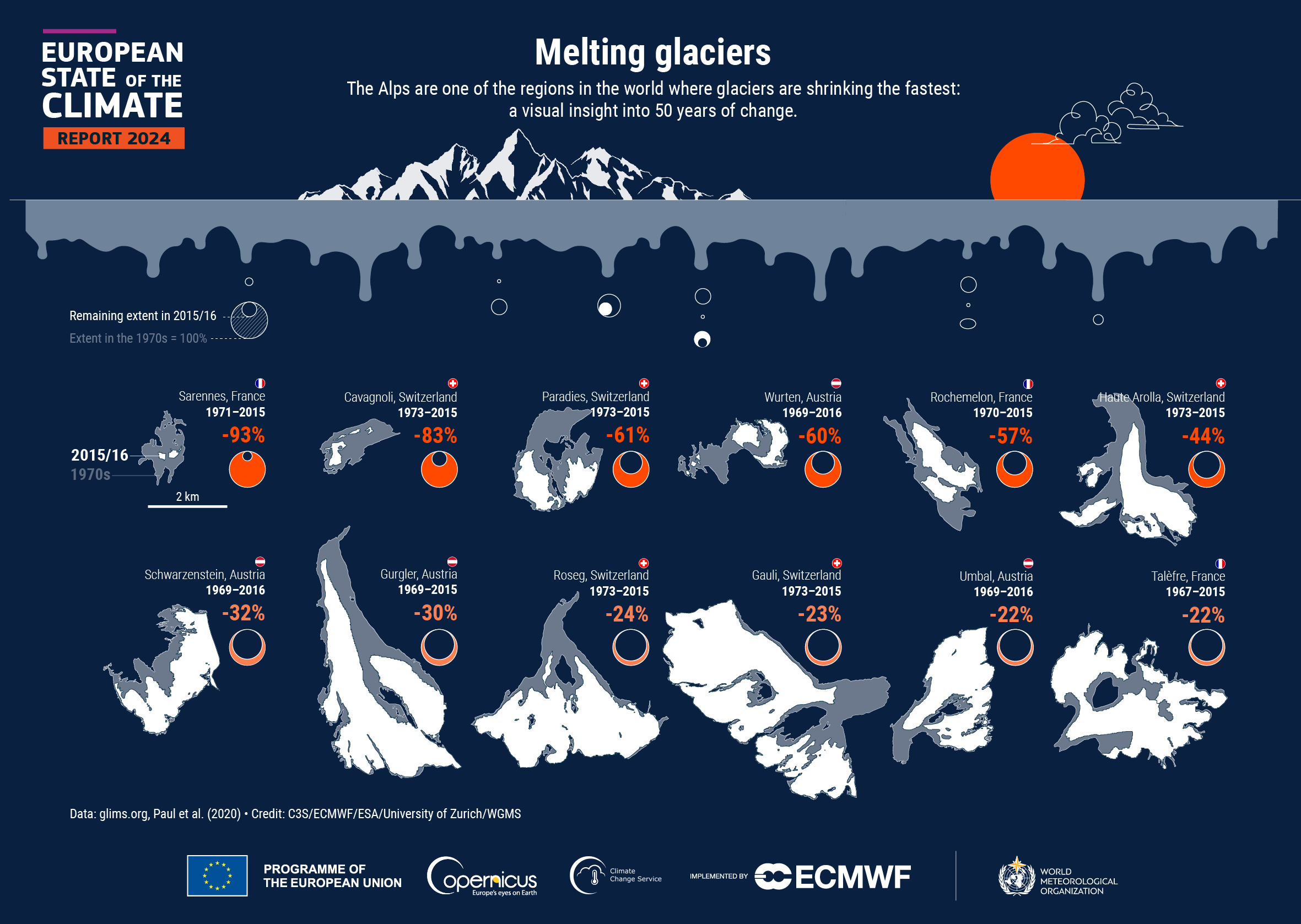
Melting glaciers. Source: climate.copernicus.eu.
9. The situation with forest fires is also becoming more threatening. In September, fires in Portugal burned about 110,000 hectares (1,100 km2) in one week. This is equal to about a quarter of the total annual area burned in Europe. An estimated 42,000 people have been affected by wildfires on the continent.
As EcoPolitics previously reported, in 2024, almost half of the world's unprecedented weather events occurred in Europe. We also told you that the EU is investing €86 million in projects to improve climate resilience and water security.