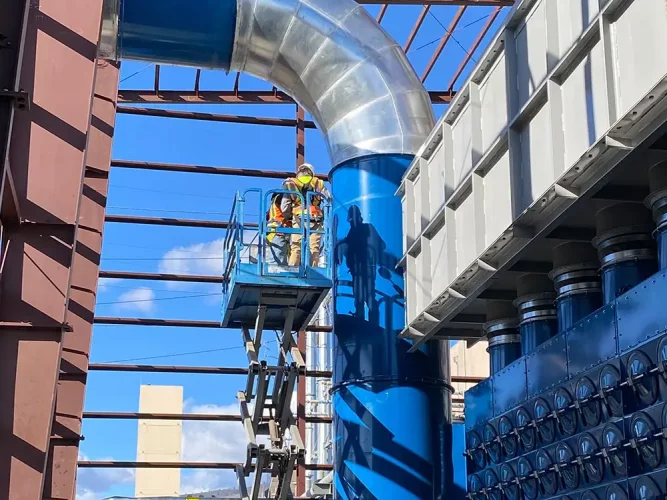
Alphabet startup 280 Earth has signed a series of agreements totaling $40 million to remove SO2 from the atmosphere at a recently completed facility in Oregon.
It is reported by Bloomberg.
These arrangements will fund the removal of 61,600 tonnes of greenhouse gases from 2024 to 2030. The system, which was developed at 280 Earth, can use waste heat from the data center to increase its efficiency, while reducing the cost of cooling the center.
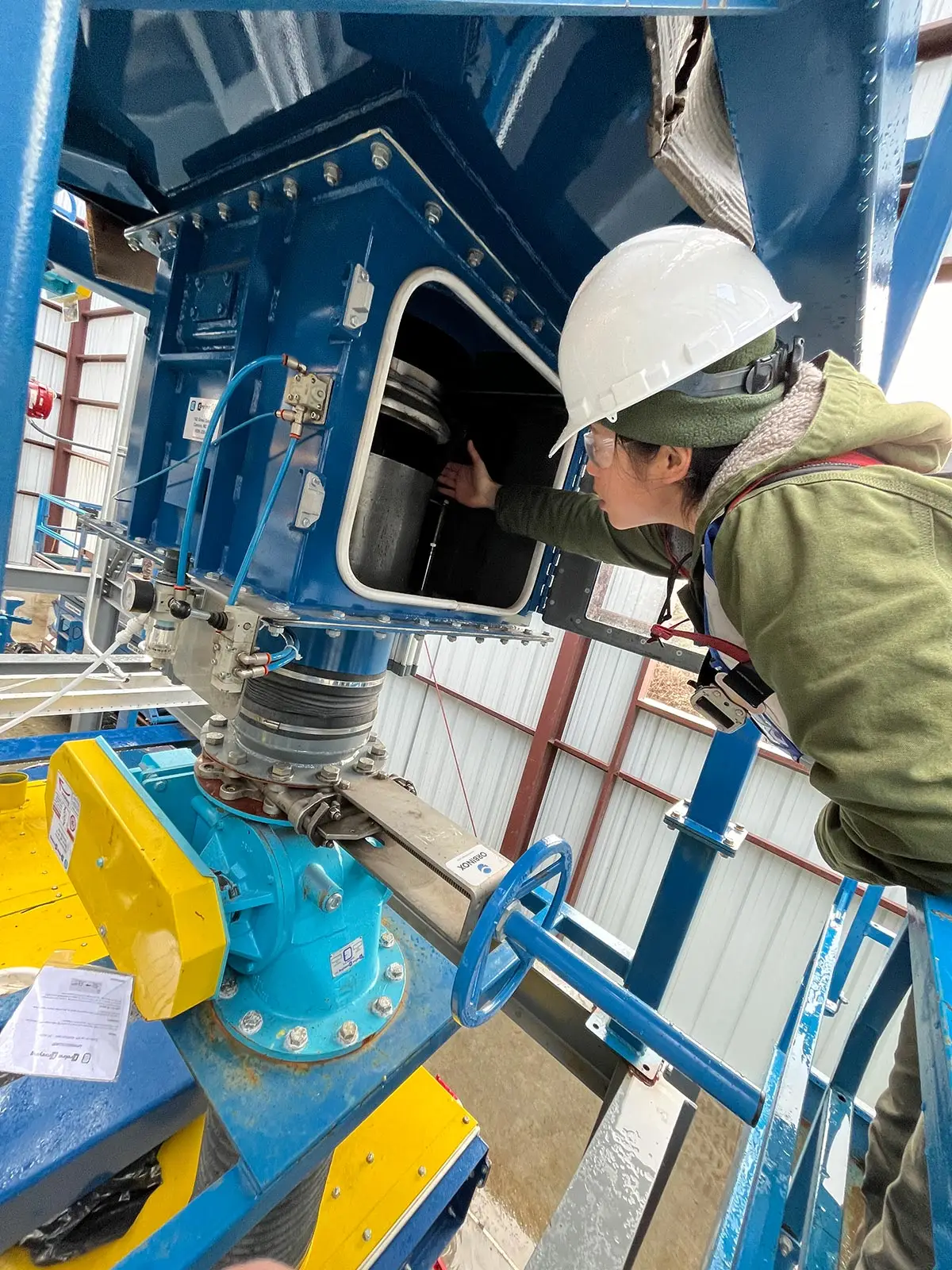
Photo: 280.earth
Carbon dioxide is continuously removed from the air with the help of a sorbent. This is a fundamentally different approach, unlike technologies that remove CO2 in batches.
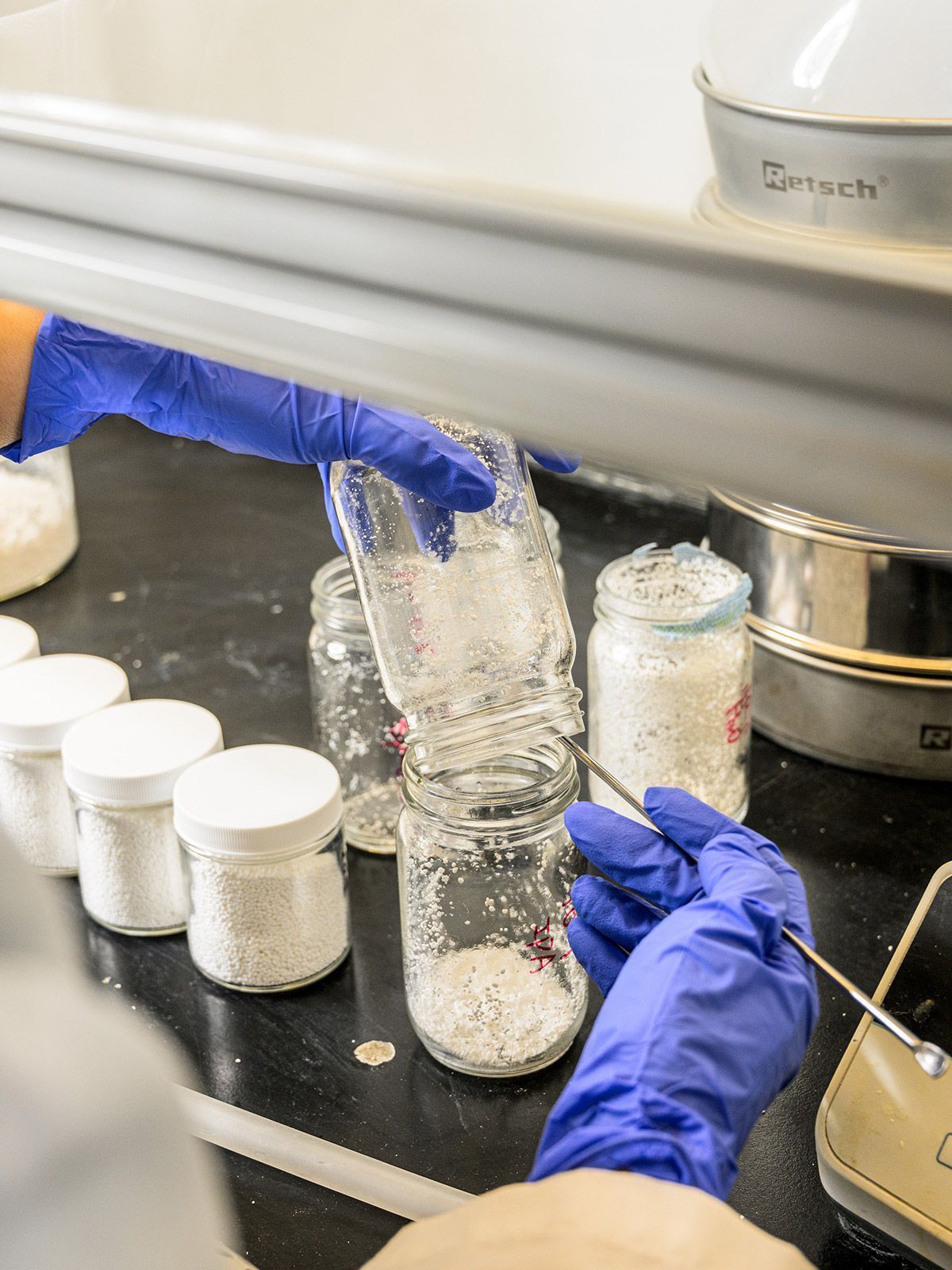
Photo: 280.earth
The Frontier Coalition, which includes Alphabet, Meta Platforms Inc., Shopify Inc. and Stripe Inc., plans to finance carbon removal technologies, including machines that extract carbon dioxide directly from the air. There are several types of technology for this, but some of them require a lot of energy.
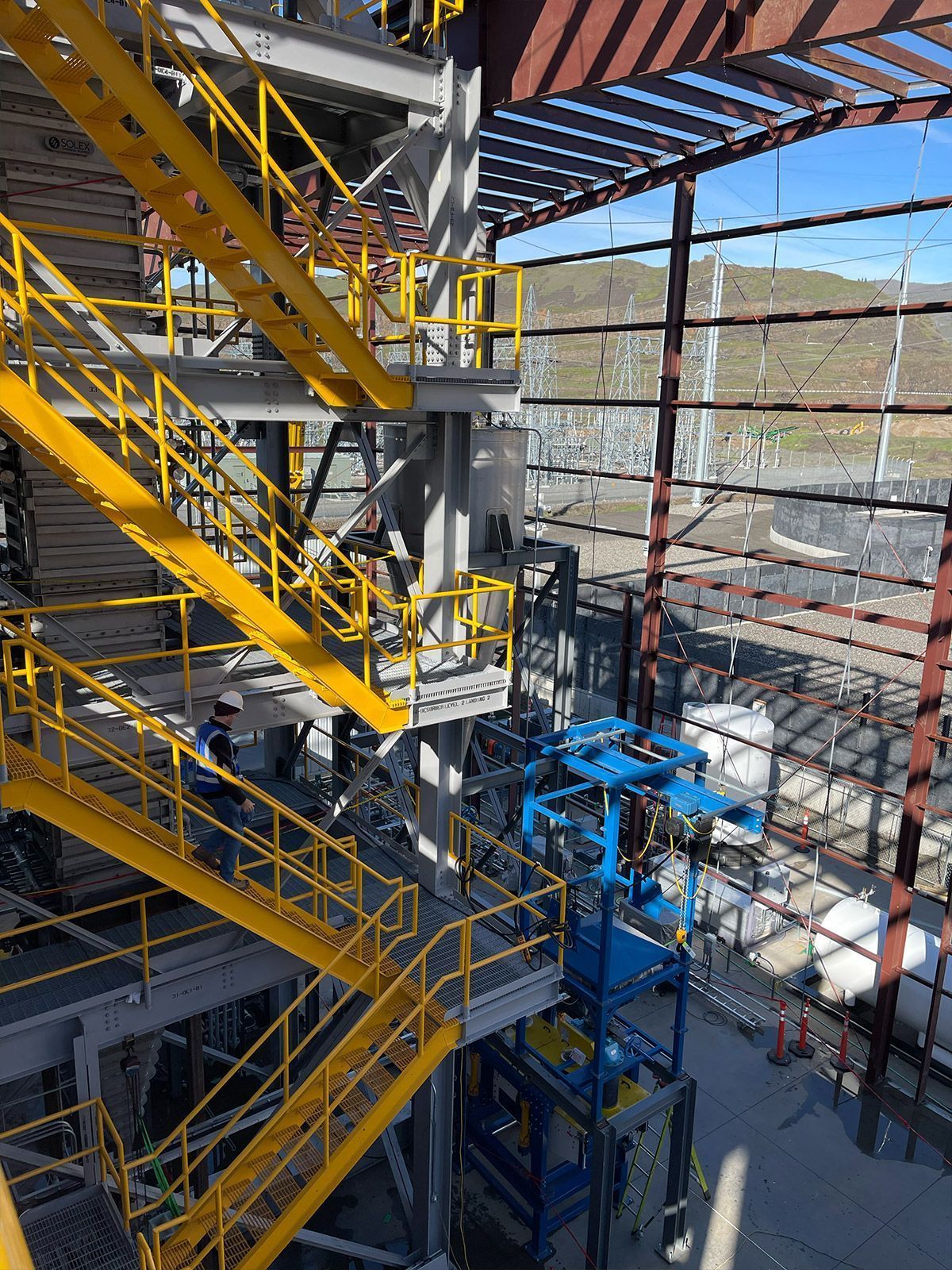
Photo: 280.earth
Alphabet started in 2018 as an X lab project of parent company Google. It became a separate business in 2022. The company's new facility in the city of The Dalles (Oregon) is located next to the Google data center.
In May EcoPolitic reported that she was Swiss the Climeworks company opened Iceland has the world's largest plant for extracting CO2 from the air.