Italian company Ferrari is accelerating its transition to renewable energy by closing a three-generation gas-fired power plant at its Maranello plant three months ahead of schedule.
This is reported by ESG News.
Deactivation of the three-generator, which has been operating on gas fuel since 2009, will allow Ferrari to reduce CO₂ emissions in Scope 1 and 2 by 60%. In addition, methane consumption will be reduced by 70%, which will significantly reduce the plant's carbon footprint.
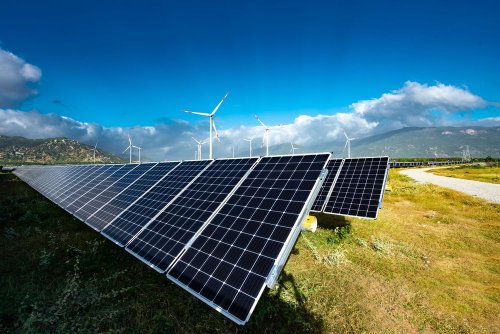
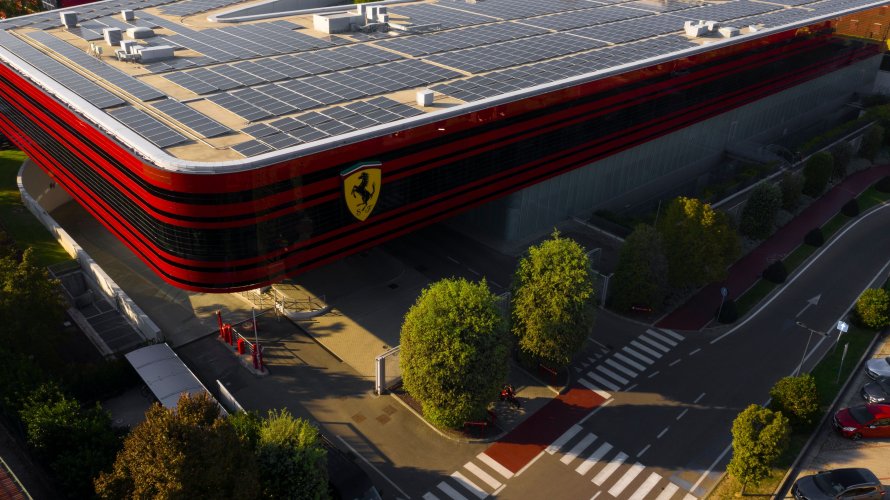
In order to ensure an uninterrupted supply of electricity for production, the company will double the capacity of its photovoltaic systems from the current 5 MW to 10 MW by 2030. This expansion will increase the share of self-generated renewable energy at the Maranello plant. Renewable energy sources (RES) currently cover 40% of the plant's energy needs, together with renewable energy purchase agreements (PPAs).
Ferrari has already modernized its electrical infrastructure, in particular, carried out a complete reconstruction of the electrical substation and installed three new transformers with a capacity of 40 MVA.
These improvements contribute to the integration of the growing number of RES and ensure a stable energy supply.
"This means that we will no longer use gas to generate electricity at this plant, but will use electricity from renewable sources," said Benedetto Vigna, CEO of Ferrari.
In 2023, the manufacturer reduced total energy consumption by 4% compared to 2022 – from 1,580 to 1,520 TJ. Ferrari's comprehensive approach includes not only the use of RES, but also the construction of a fuel cell production plant and the construction of energy-efficient buildings.
Earlier, EcoPolitic wrote about the fact that Uber called The EU will ban ICE cars for corporate fleets by 2030. We also reported that car manufacturers postpone full transition to electric cars.