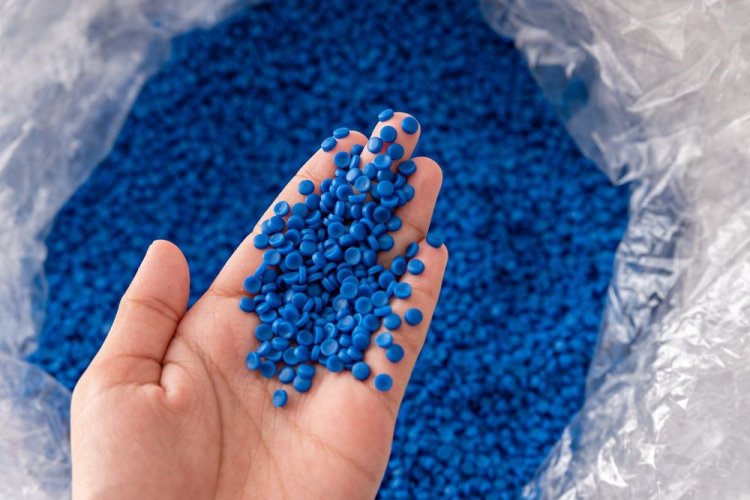
The European Parliament and the European Council have approved a regulation proposed by the European Commission that will regulate the management of plastic pellets and prevent environmental pollution by microplastics.
The announcement of the approval was published on the European Commission's website.
What is the problem?
The commissioners noted that a lot of plastic pellets are still lost during daily operations at transfer stations or during transportation. They end up in the environment, including the sea, due to improper handling by maritime and other operators. As an example, they cited recent accidents on the northwest coast of Spain and in the North Sea.
Plastic pellets pollute water and soil, including agricultural land, and damage ecosystems and biodiversity. When ingested, they can cause physical harm or death to marine and coastal species such as sea turtles, seabirds and shellfish.
Microplastics are persistent, mobile, and extremely difficult and expensive to remove from nature. It is found all over the world, even in remote locations, and in the human body, raising serious concerns about its impact on human health.
What is the solution
The European Commission noted that the burden of preventing microplastic pollution too often falls on local communities.
“Therefore, economic operators and transporters must comply with the best management practices to prevent, contain and remediate damage,” officials said.
For example, they should ensure that the packaging used is of good quality and stop using it if it is leaky or not tight. To localize leaks, operators will be required to use collection devices such as pallets, and if cleaning is necessary, vacuum cleaners with sufficient power.
The new rules are expected to reduce plastic pellet losses by 74%.
To reduce the administrative burden for small companies, the European Commission has proposed to limit the certification obligation to companies that process more than 1,500 tons of plastic pellets per year. Below this threshold, only self-declaration will be required. In addition, micro and small companies will have special support to help them meet the requirements of the new regulation.
The standardization bodies will develop a methodology to help economic operators and carriers control their losses and eliminate data gaps.
The regulation will enter into force 20 days after its publication in the EU's Official Journal.
It is expected to help preserve ecosystems and biodiversity, reduce risks to human health, and improve the reputation of the sector. This, in turn, will benefit economic actors, for example, in agriculture, aquaculture and tourism.
Earlier, EcoPolitic reported that the European automotive industry calls on the EU not to lower the target of 25% recycled plastic for new cars.