Environmentalists called not to bring artificial flowers to the cemetery: what threat do they hide

Environmentalists called not to bring artificial flowers to the cemetery: what threat do they hide shutterstock
Hanna Velyka

Plastic flowers are not recyclable and will pollute the environment for centuries

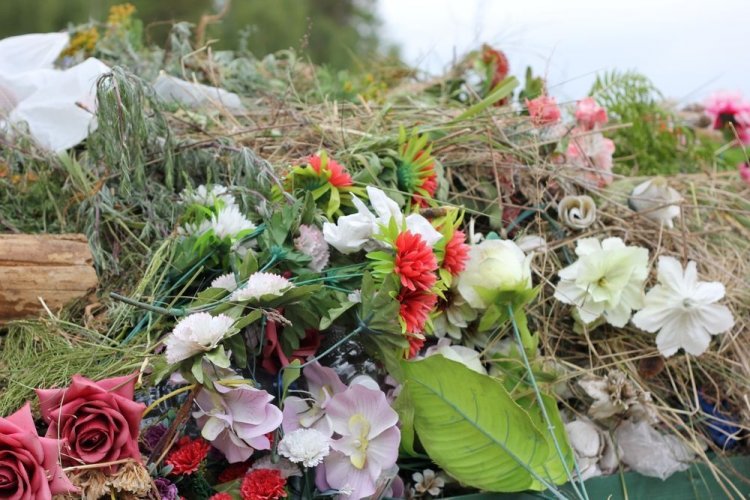
Artificial flowers and plastic decorations that people bring to cemeteries on memorial days pollute the environment and pose a danger to human health.

This was reminded by experts from the State Ecological Inspectorate of the Southwest District.

They once again called for the abandonment of this tradition. Environmental inspectors listed a number of reasons why this should not be done.

What is the danger

First, most artificial flowers are made of polymeric materials that will decompose in the soil for hundreds of years, polluting the ground, water, and even air. Moreover, such decorations are usually imported from China and their composition is not known for certain.

Secondly, toxic dyes poison the soil when they decompose and can enter underground springs.

Thirdly, many people burn artificial flowers with garbage. This way, toxic substances get into the air we breathe.

Fourthly, the wind often blows torn plastic petals, so they end up in forests, rivers and lakes.

What is the solution?

As an alternative, ecologists suggest choosing fresh flowers – they will naturally decompose and will not harm the environment. You can also plant perennial plants, such as periwinkle, lavender, or other flowers that can grow for a long time near graves. Or you can replace plastic flowers with eco-friendly alternatives, such as wooden, paper, or fabric arrangements.

Last December, countries failed to adopt a global treaty to limit plastic.
Related
Microplastics in the air exacerbate global warming, – study

In some regions, particularly near the Great Pacific Garbage Patch, its impact is greater than that of black carbon

Weekly roundup of environmental crimes: deforestation, water and air pollution, and land disputes

The "stars" of the week are foresters from the Odesa region who used intimidation to force forest workers to illegally cut down and sell trees

The government has approved regulations for the protection of peatlands: from the creation of a cadastre to restrictions on use

This should help protect ecosystems that are vital for climate resilience and biodiversity

Widespread violations of the environmental permit: environmental inspectors inspected the Negrebivsky quarry

Residents complained about the logging of healthy forests and the loss of drinking water in the community