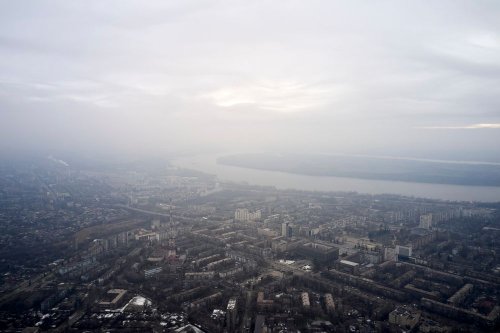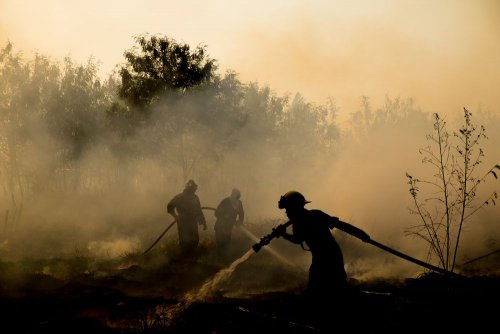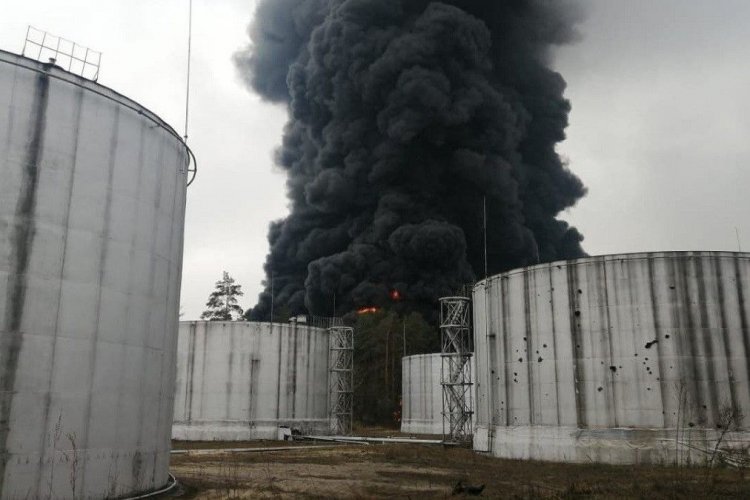
Since the beginning of the full-scale invasion in Ukraine, about 703,700 tons of oil, oil products and gas, as well as 61,500 hectares of forests and other plantations have burned.
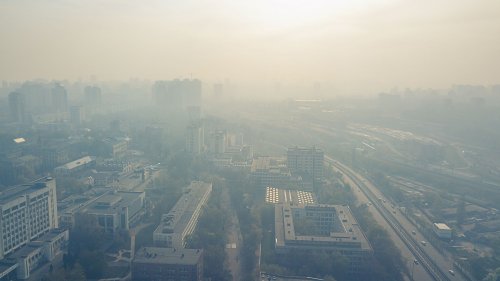
This caused air pollution with soot and toxic chemicals, which are also transferred to the territory of other countries, the State Environmental Inspection reported on Facebook.
It is noted that as of February 24, 2022, the area of burned objects reached 1,222.6 thousand m2.
"The shelling of industrial facilities and infrastructure lead to fires that cause air pollution. Combustion products consist of toxic gases and solid particles," the message reads.
Eco-inspectors explained that during the combustion of oil products at industrial enterprises or oil depots, such dangerous substances are formed as:
- soot;
- sulfuric acid;
- oil oxidation products.
They added that military missiles, projectiles, mines, etc., also pose a danger. After all, during their detonation, the following are formed:
- carbon monoxide (CO);
- carbon dioxide (CO2);
- water vapor (H2O);
- brown gas (NO);
- nitrous oxide (N2O);
- nitrogen dioxide (NO2);
- formaldehyde (CH2O);
- vapors of cyanic acid (HCN);
- nitrogen (N2);
- a large amount of toxic organic matter.
"Polluted air has no borders. Emissions into the atmospheric air, which were caused by military aggression on the territory of Ukraine, are transferred, settle and have an impact on the territories of other states, sometimes at a distance of thousands of kilometers," the message emphasized.
Earlier, EcoPolitic wrote, that the eco-inspectors calculated about 1.9 trillion hryvnias in environmental damage that the Russian army caused to the environment of Ukraine during 11.5 months of full-scale war. Air pollution damages reached 992 billion hryvnias.
As EcoPolitic previously reported, a preliminary assessment of the impact of the war in Ukraine on the ecological situation showed that the war is literally toxic, and future generations will live "with a toxic legacy."