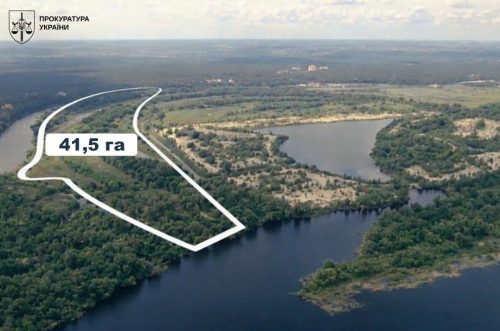
Eco-activists surveyed the territory of the de-occupied Kamianska Sich national nature park in the Kherson region, through which the front line passed twice.
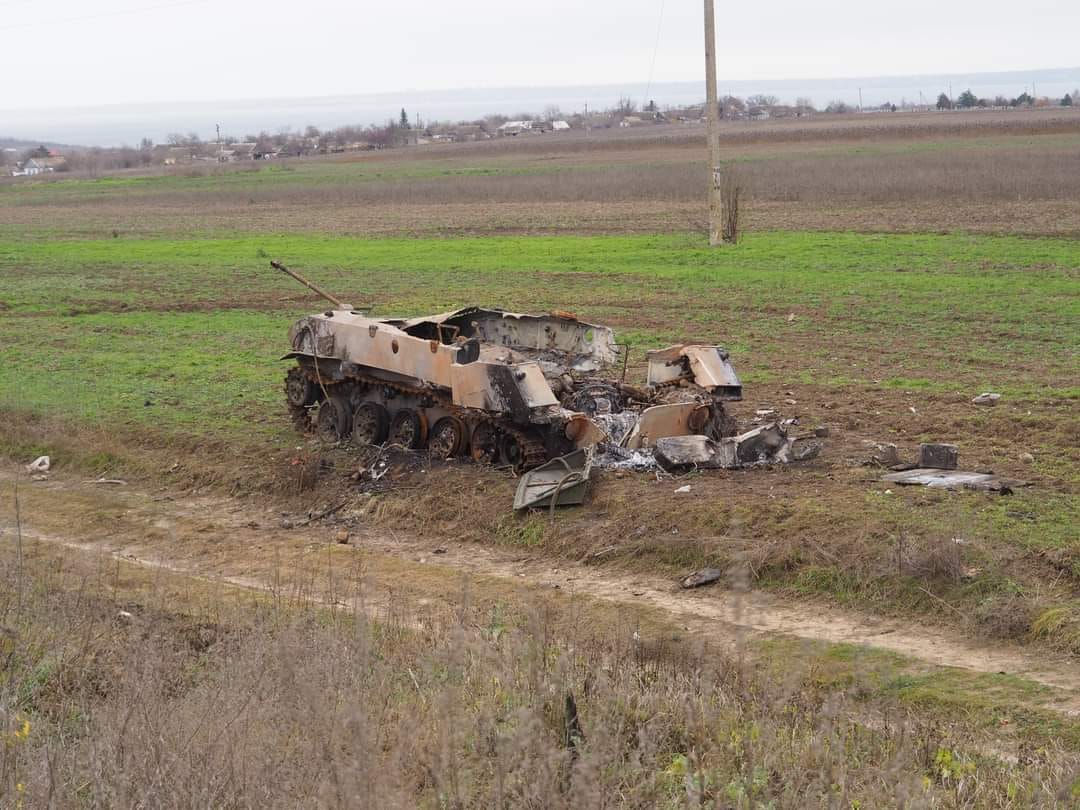
They discovered numerous destruction and damage to ecosystems, eruptions from explosions, felling of trees, traces of fires, etc., reports the "Ukrainian Nature Conservation Group" on Facebook.
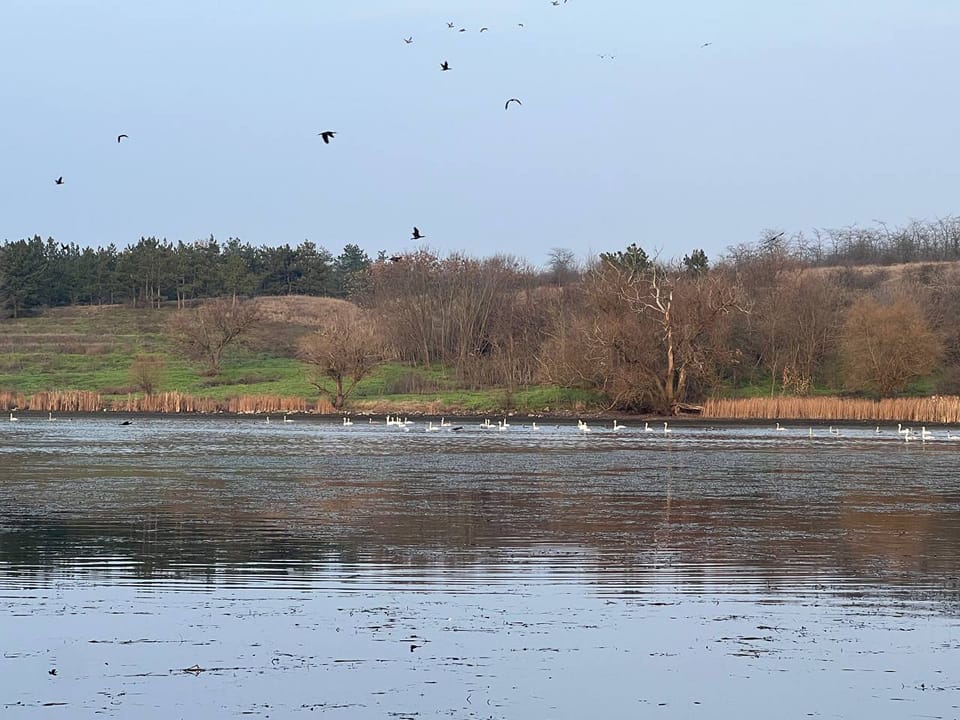
Kamianska Sich was under occupation for 8 months.
OLYMPUS DIGITAL CHAMBER
Eco-activists emphasized that the national park suffered significant damage due to the war. In particular, it was discovered:
- eruptions from explosions and the related complex of problems - destruction and damage of ecosystems, pollution of natural complexes;
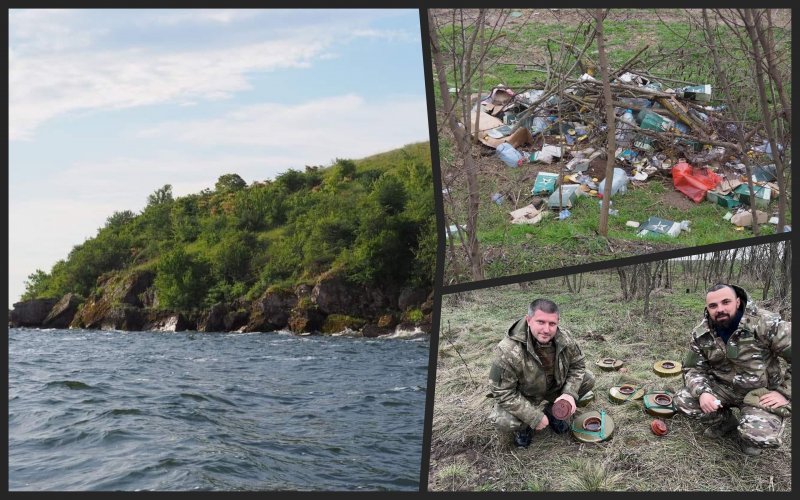
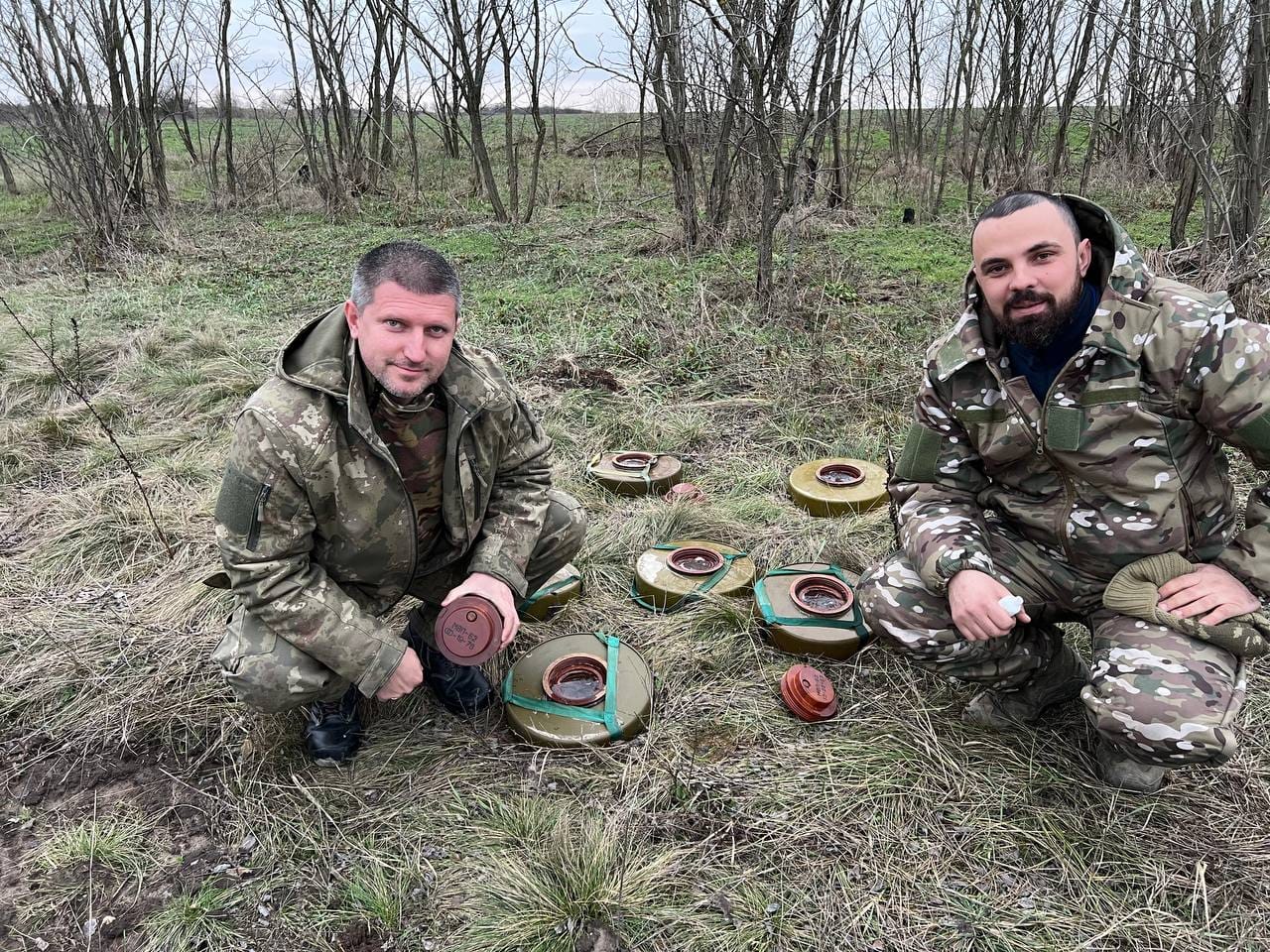
- almost total mining and dense contamination of the territory with explosive devices;
- construction of fortifications – trenches, dugouts, caponiers, etc.;
- cutting down trees;
- numerous fires;
- destruction or damage to natural ecosystems due to the passage of heavy equipment;
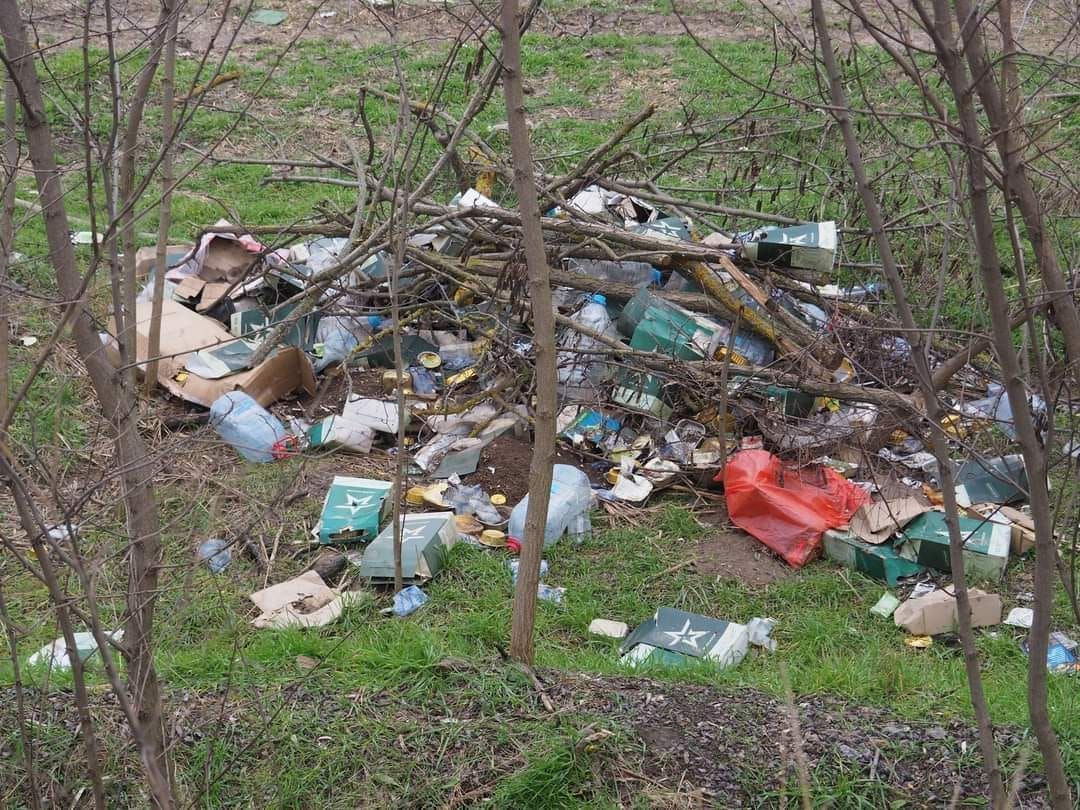
- large-scale pollution of the territory by household waste, especially in places of long-term stay of the Russian military;
"The places where Russians live are very similar to natural garbage dumps," the authors said.
- pollution of the territory and water area with fuel and lubricants;
- draining of coastal ecosystems as a result of the drop in the level of the Kakhov reservoir;
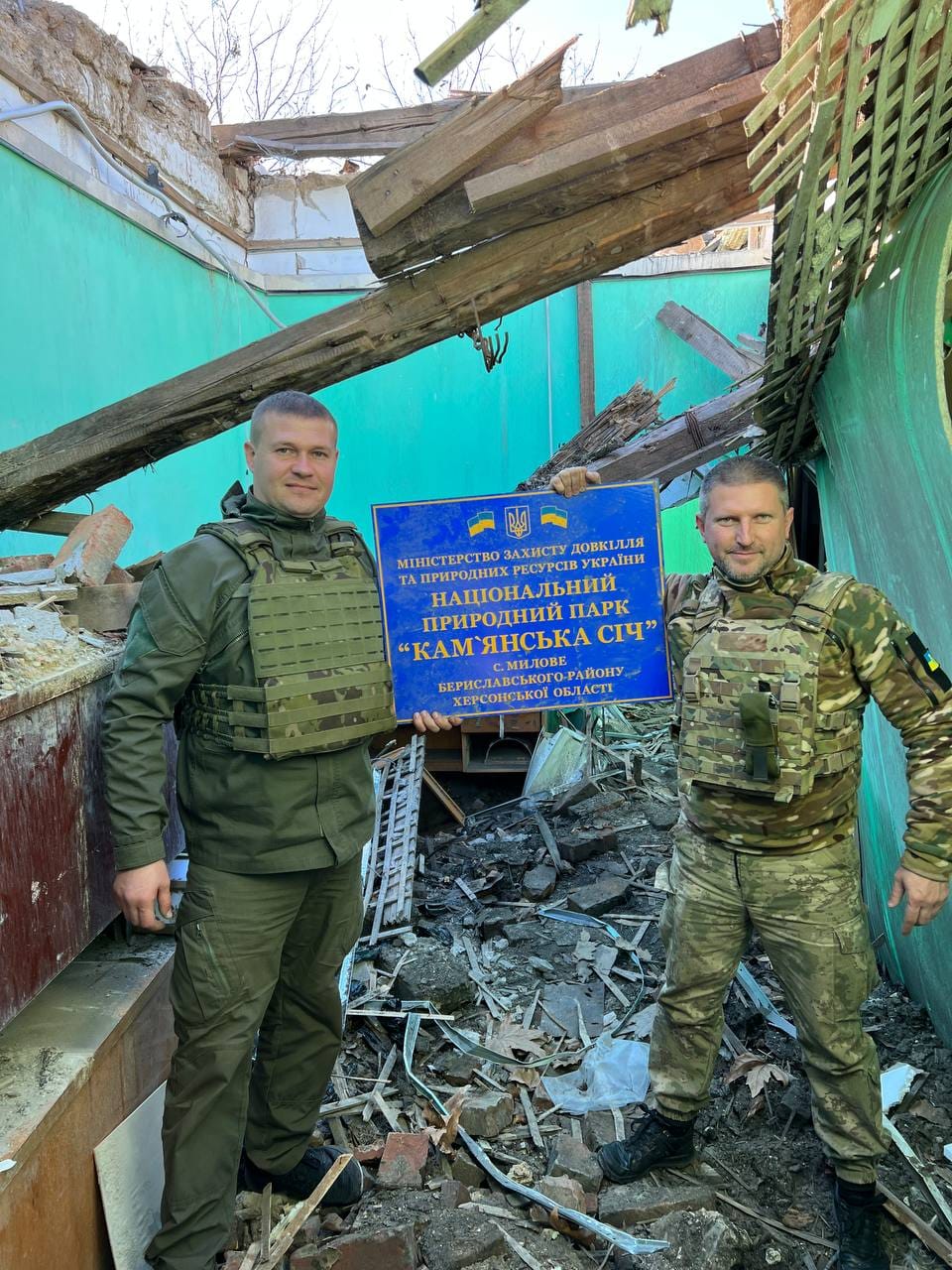
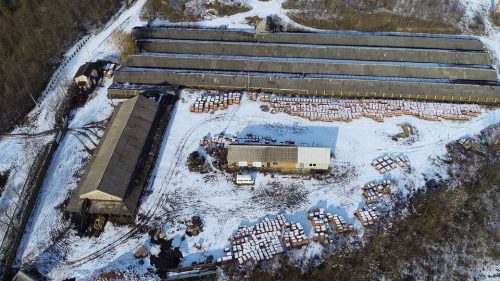
The report emphasized that the infrastructure of the national park was also destroyed, in particular, the office was destroyed, and equipment and machinery were stolen.
"Compared to the expedition trip last fall, part of the park's territory was cleared of garbage by the heroic employees of the institution," the authors said.
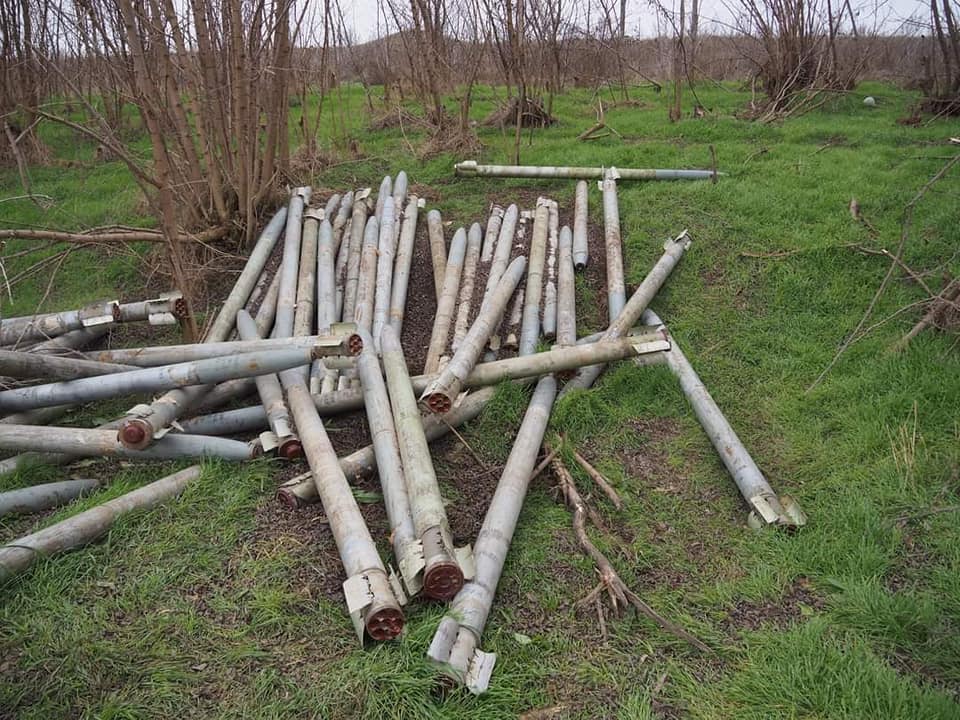
They added that currently only part of the territory of the national park has been demined. In addition, Russian troops continue to mine it remotely. Due to systematic shelling, eco-activists were unable to inspect some areas of Kamianska Sich.
The expedition members also explored part of the biotopes for their mapping.
As EcoPolitic previously reported, the Ukrainian military completely liberated the Kamianska Sich National Park in the Kherson region, which had been under occupation for 8 months. Its director Serhiy Skoryk also joined the liberation of the national park.