The environmental tax serves as a form of compensation for the negative impact that enterprises have on the environment through their emissions into the atmosphere, soil, and water. Whether fair or not, ideally, it should work towards minimizing the consequences of this impact and improving environmental conditions. But what have we observed in practice?
EcoPolitic analyzed environmental plans at the oblast, major city, and rural community levels to determine an objective picture of how environmental funds are used. Despite the partial fragmentation of information and a certain degree of autonomy for communities in shaping their own environmental programs, we identified clear trends observable in most regions.
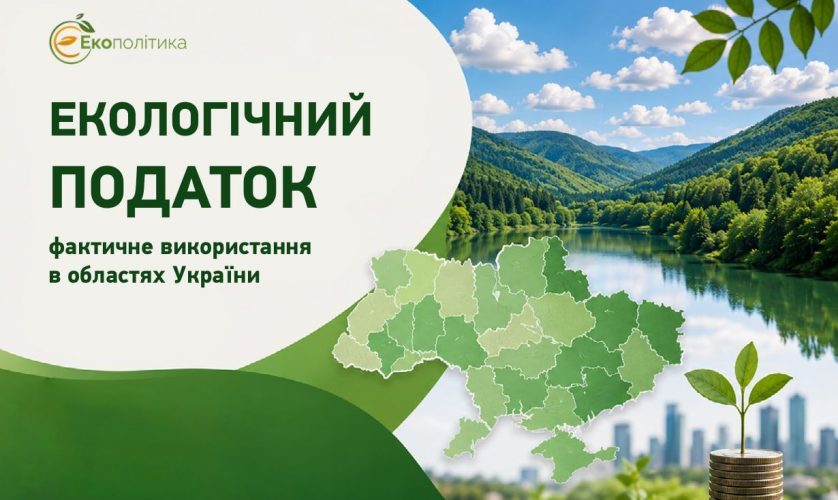
How regions spend environmental tax funds and what the overall environmental priorities look like locally can be found in the collection "Environmental Tax: Actual Use in the Regions of Ukraine".
Funds raised through pollution are by no means spent on reducing that pollution. When it comes to upgrading installations, implementing energy efficiency measures, or even greening sanitary protection zones, regions rely on the goodwill of the plant owners.
Instead, the largest share of the eco-financial pie is allocated to minimizing the environmental impact of the communities themselves – primarily through wastewater and waste management. These are activities that could be categorized under municipal services or public amenities. Completing the top three subjective priorities is greening – from pruning dangerous trees to planting flower beds in parks. Apparently, anything green is considered environmentally friendly.
The collection "Environmental Tax: Actual Use in the Regions of Ukraine" provides a comprehensive review of how environmental protection measures are viewed, which forms the basis for the financial decisions of various communities. It helps clarify what polluters are actually paying for.
You can read the full text at the link.