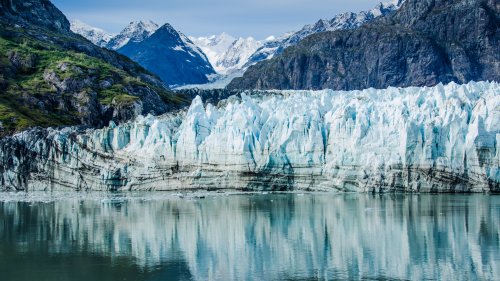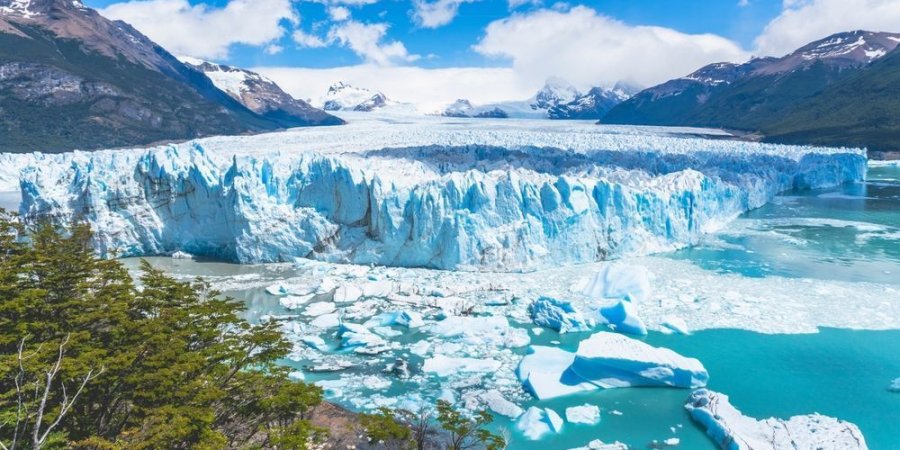
The iconic Perito Moreno glacier in Argentina, long considered one of the few relatively stable glaciers on Earth, is now experiencing “the most significant retreat in the last century.”
This is according to the authors of a study recently published in the journal Communications Earth & Environment.
New data obtained by scientists indicate rapid melting of the glacier. This points to the delayed impact of climate change on this legendary mass of ice.
Perito Moreno in the Southern Patagonian Ice Field has been securely wedged in the valley for decades. But it has begun to lose contact with the underlying rock, causing it to lose more ice as it retreats several centimeters.
Scientists expect the glacier to retreat several more kilometers in the next few years.
“We are now seeing this very delayed response to climate change, as it slowly but surely breaks away from this physical anchor point in the central part of the glacier,” said one of the study's authors, Moritz Koch, a doctoral student at Friedrich-Alexander University Erlangen-Nuremberg.
Even without climate change, glaciers fluctuate slightly. But if the climate were stable, the normal accumulation of snow and ice would compensate for melting and movement.
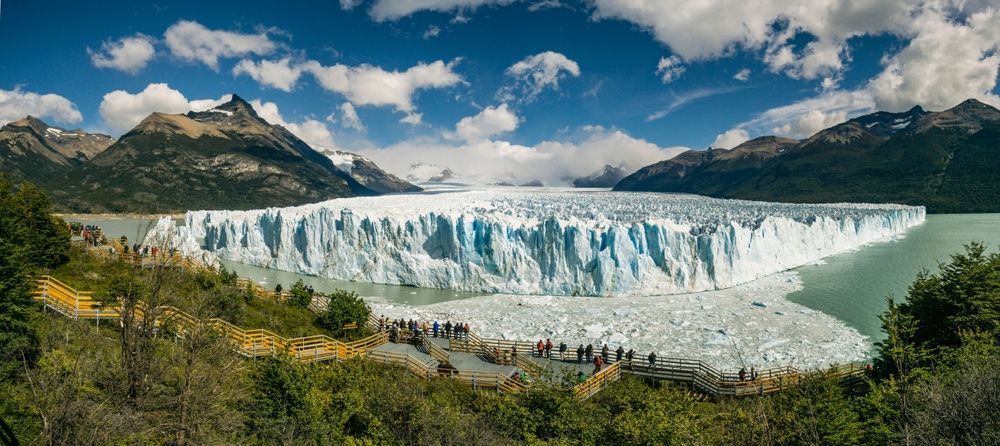
Koch and his team conducted extensive fieldwork to obtain data for their calculations. To measure the thickness of the ice, they flew over the glacier in a helicopter with a radar device suspended beneath it. They also used sonar on the lake and satellite information from above.
Why is glacier melting a problem?
Glacier melt, especially at the poles, is important because it can cause catastrophic sea level rise, causing damage and displacing people living in coastal and island areas.
Glaciers can be a source of drinking water or, when they collapse, a destructive force, leaving behind mudslides.
Earlier, EcoPolitics reported that the largest glacier in the Italian Alps could disappear completely by 2040. We also reported that Antarctica is rapidly becoming covered with greenery due to global warming.