During the week from February 17 to 23, eco-inspectors calculated more than 5.7 million hryvnias in damages caused by violators of environmental legislation.
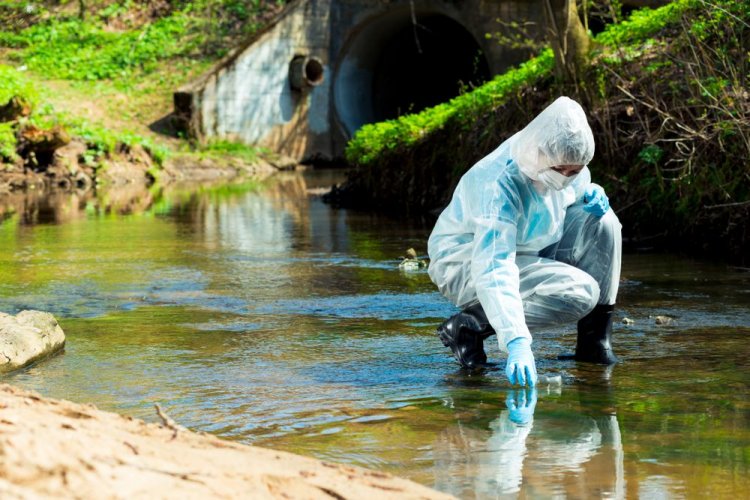
The anti-leader was the Dnipro region, where the Dnipro River was polluted with sewage to the tune of about 3.5 million hryvnias, the State Environmental Inspection reports on Facebook.
The report emphasized that during this period, eco-inspectors conducted 60 environmental protection measures and drew up 142 protocols on administrative offenses.
In addition to Dnipro region, Kharkiv region also became a leader among violators. Thus, on the territory of the Rokytne village council in the Novovodolaz district, large-scale soil contamination was discovered. Damages caused by animal wastes reached 890 thousand hryvnias.
It is noted that the case files were sent to law enforcement agencies.
The report emphasized that from February 17 to 23, environmental violators voluntarily and forcibly compensated 377,000 hryvnias of damages.
As EcoPolitic reported earlier, eco-inspectors found the most high-profile violation of environmental protection legislation in the Khmelnytskyi region during the week from February 10 to 16, namely the felling of trees worth more than 1.7 million hryvnias.
As Ecopolitic previously reported, in Zhytomyr region, in the village of Karabachyn of the Brusyliv District, a local oil factory is accused of dumping sewage into the Batiivka River.