Global food security was the key topic of discussion at COP30 on November 19. At the climate conference in Brazil, programs were launched to restore depleted lands and support local farmers. These are considered the foundation of sustainable food systems. One of the main initiatives is that delegates want to regulate the market for safe fertilizers.
Based on reports from COP30, EcoPolitic has prepared an overview of the main events.
Restoration of degraded agricultural land
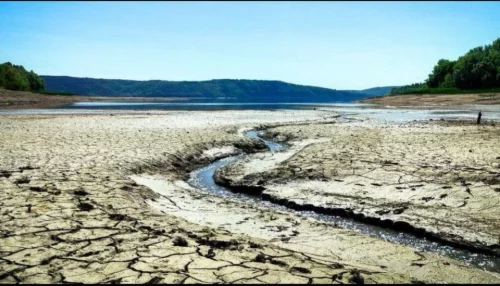
20% of all agricultural land in the world is depleted. However, restoring even 10% of the 1 billion hectares of such degraded land will provide food for 154 million people and give the world 44 million tons of food annually.
The RAIZ Accelerator initiative offers an economically viable way to restore degraded landscapes. To this end, it plans to attract private capital for the latest mapping technologies.
The Resilient Agriculture Investment for Net-Zero Land Degradation program has already been supported by 10 countries, including Australia, Canada, Norway, and Japan.
Sustainable food production – on land and at sea
Family farms, indigenous peoples, and traditional communities are key to transforming food systems. This belief underpins the TERRA program launched at COP30. The plan proposes creating regional training centers, providing local farmers with donor funds and expanded access to seeds and biofertilizers.
Aquatic food systems, including algae aquaculture, are also on the agenda. Two plans to accelerate solutions in these sectors have been launched. They involve integrating marine food measures into nationally determined contributions and national sustainable development strategies.
Safe fertilizers
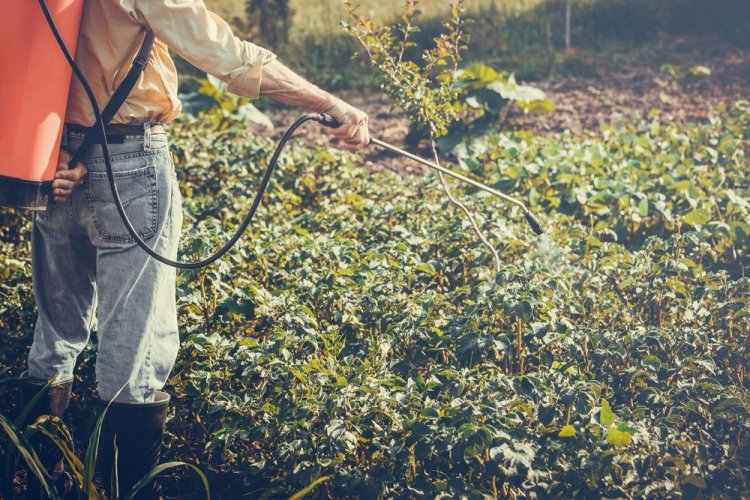
Modern agriculture is unthinkable without fertilizers. However, they are also a source of greenhouse gases. Therefore, to reduce carbon emissions and optimize the use of nutrients for soils in general, COP30 announced the creation of the Belém Declaration on Fertilizers. Some of its proposals include:
- the creation of the first international standard for low-carbon fertilizers;
- stimulating demand for safe fertilizer production projects through public-private investments;
- implementation of digital tools, including AI-based solutions, to optimize fertilizer application on-site.
In previous days at the Climate Change Conference, initiatives were launched to protect the oceans, forests, and vulnerable ecosystems.
Earlier, EcoPolitic reported how the ban on toxic pesticides led to the restoration of bird populations in France.