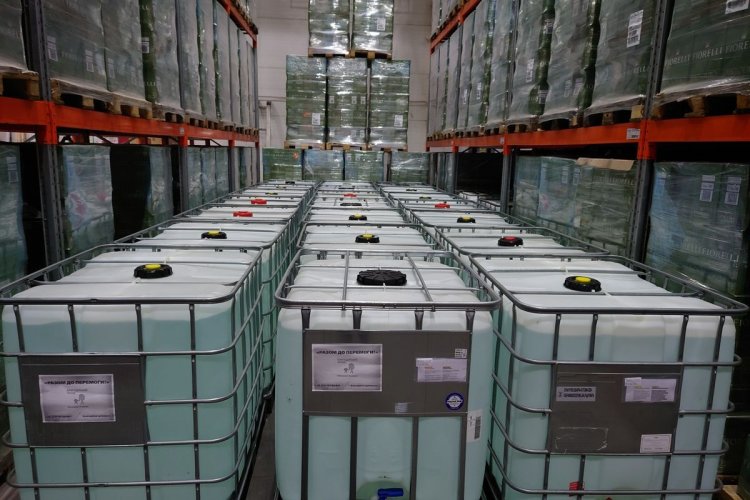
In early May, the Austrian company BASU delivered to Ukraine modern innovative mobile systems BASOQUELL 807, which purifies contaminated water and produces hygienically safe drinking water.
This was reported by the press service of the PR Batteries agency.
This was made possible by the efforts of philanthropists from the "We Can Together" Foundation and supply agreements with the Austrian company BASU.
"Lack of clean water in cities where active hostilities are taking place leads to even greater deepening of humanitarian catastrophes and the potential for epidemics," said Oksana Hulyaeva, director of the "We Can Together" Charitable Foundation, which agreed to supply BASOQUELL 807 systems from Europe.
According to Hulyaeva, this technology is able to disinfect water and kill harmful bacteria. This know-how is used both in Europe and in countries with no access to clean drinking water.
It is noted that such mobile systems make it possible to obtain clean water in any field conditions without the use of electricity. In Ukraine, they are used in areas of humanitarian disasters. So the regions most affected by Russian aggression will be able to get 12 million liters of clean water.
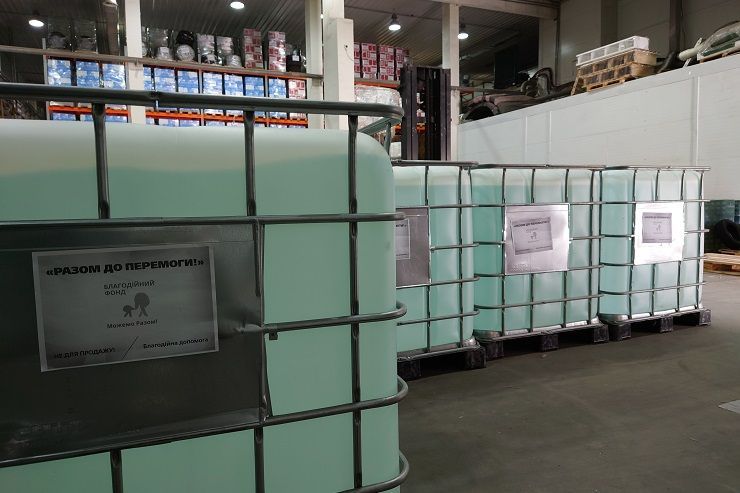 Photo: PR Batteries
The technology makes it possible to use even water from natural reservoirs: rivers, ponds, streams, or industrial water for the production of hygienically safe drinking water - and make it drinkable in seconds.
"The tool helps to purify not only water, but also the containers in which this water is transported, distributed and stored. The technology provides an opportunity to purify biological and viral contaminants, sanitize water, improve its quality and destroy biofilm," said supply of Austrian technology to Ukraine Oles Dovhy.
Ukraine has also received a large batch of water-based disinfectant BASOQUELL 710, which is used as a means of cleaning, disinfecting and sterilizing surfaces and premises, as well as washing wounds. It removes algae, fungi, fungi (C. albicans), viruses (including HBV, HCV, HIV, Rota, Corona, Noro), also acts effectively and reliably against microbes and bacteria.
Means of technology implementation will be donated by philanthropists to the State Emergency Service of Ukraine, which will distribute them to places where they are most in need.
In addition to centralized use, the systems can be used by small groups of people and individually. To do this, the concentrate will be packaged in bottles of 1, 5 and 10 liters, as well as individual syringes for self-purification of water on the front.
Before EcoPolitica reported that in the context of Russian aggression, part of the Ukrainian population was deprived of access to clean drinking water. Therefore, the Ministry of Health informed Ukrainians how to properly disinfect water at home.